
There is no better way to explore Iceland than by car. You have the freedom to stop whenever you see something interesting, chase the light, take a little detour or spend an entire evening photographing a mountain that wasn't even on your original itinerary.
But Iceland is not quite like driving in the rest of Europe. You can drive on a beautiful paved road one moment and find yourself on a rough gravel track, facing strong winds or even a river crossing the next.
So, which car should you choose? Do you need a 4x4? Is a camper a good idea? And what about driving in winter?
Here is everything I think you should know before getting behind the wheel in Iceland.
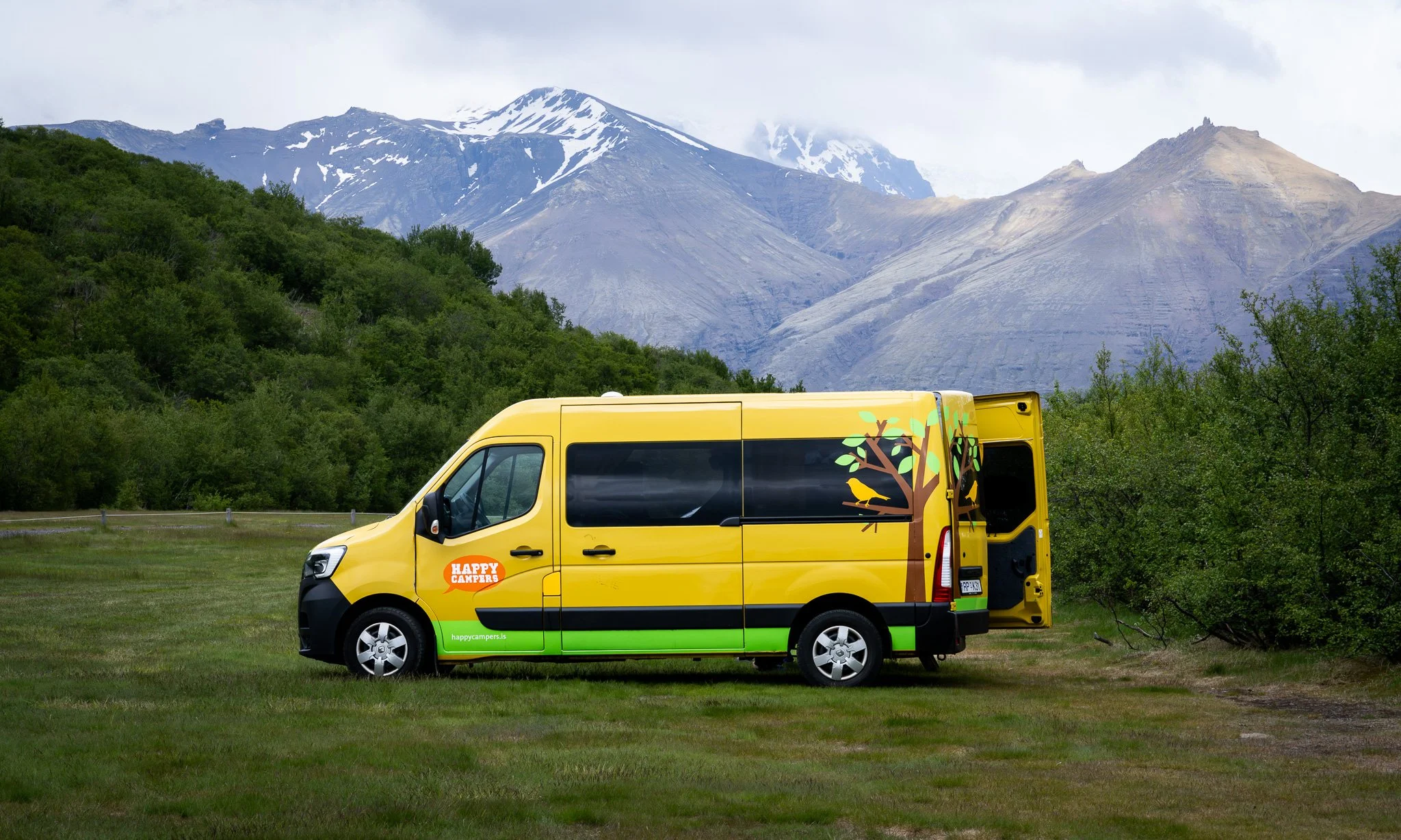
We have explored Iceland for years and drove every little corner of the country. We exlored in quite a few different ways over the years. We have driven our own large motorhome all the way to Iceland, travelled with our own 4x4 adventure camper, rented smaller and larger campervans, tried both two-wheel-drive and four-wheel-drive in different rentals (we have experience with CampEasy, Go Campers, Happy Campers, Kuku Campers, Rent Is, we can compare those authentic not sponsored experiences in our future blogs!) , and even spent five days living in a Jeep with a rooftop tent. Yes, five days! And let's just say that the Icelandic wind made sure we would never forget that experience!
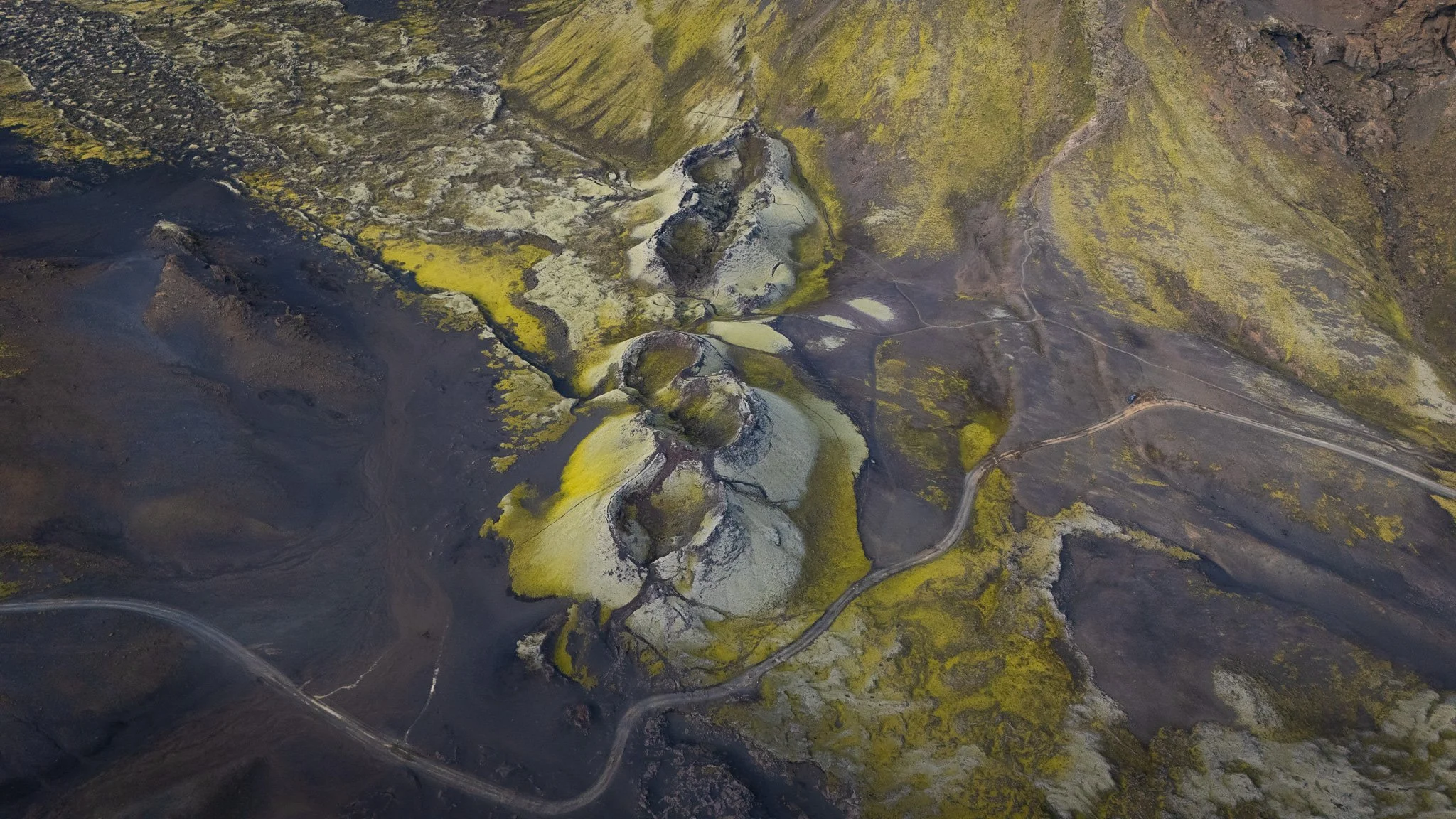
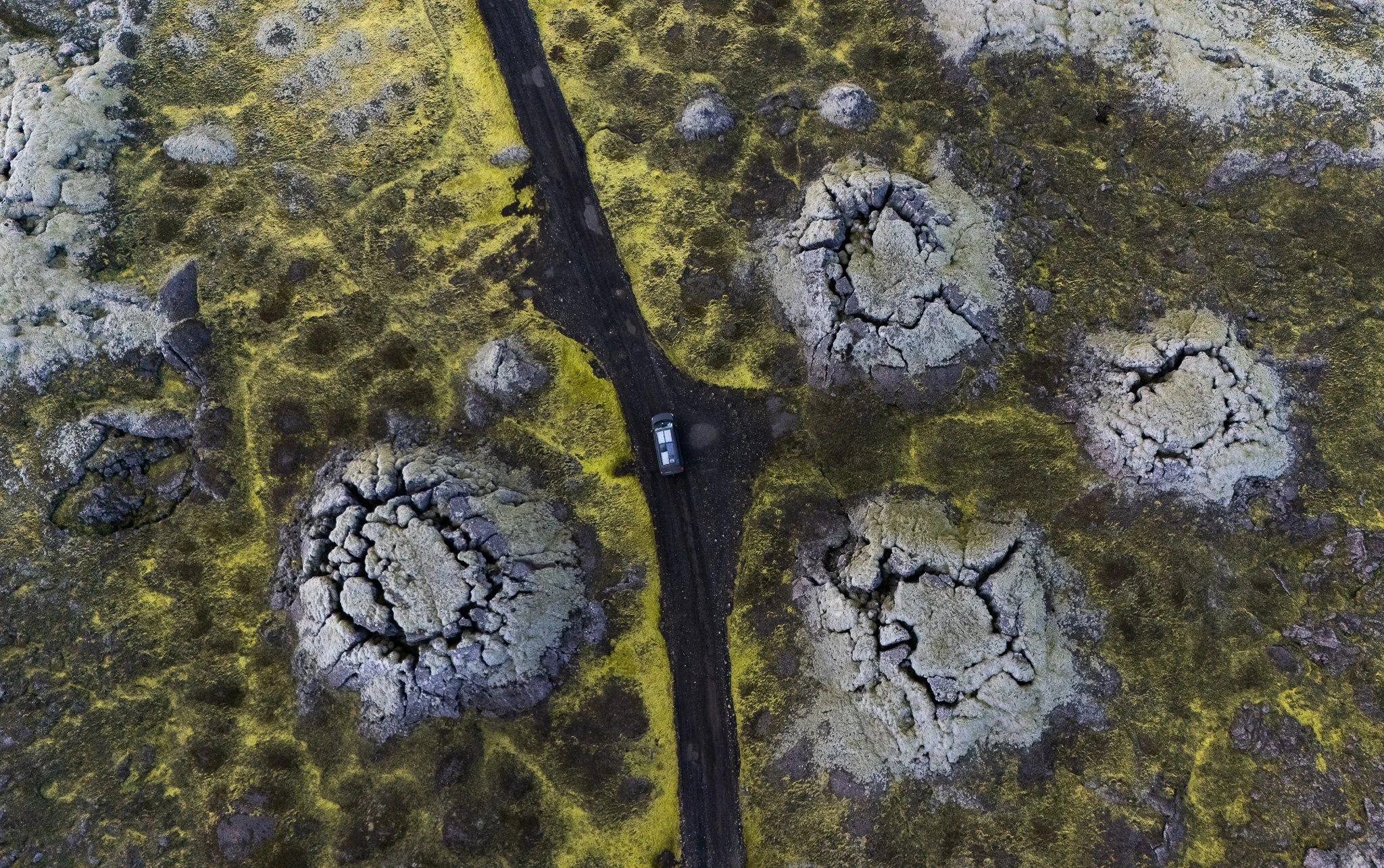
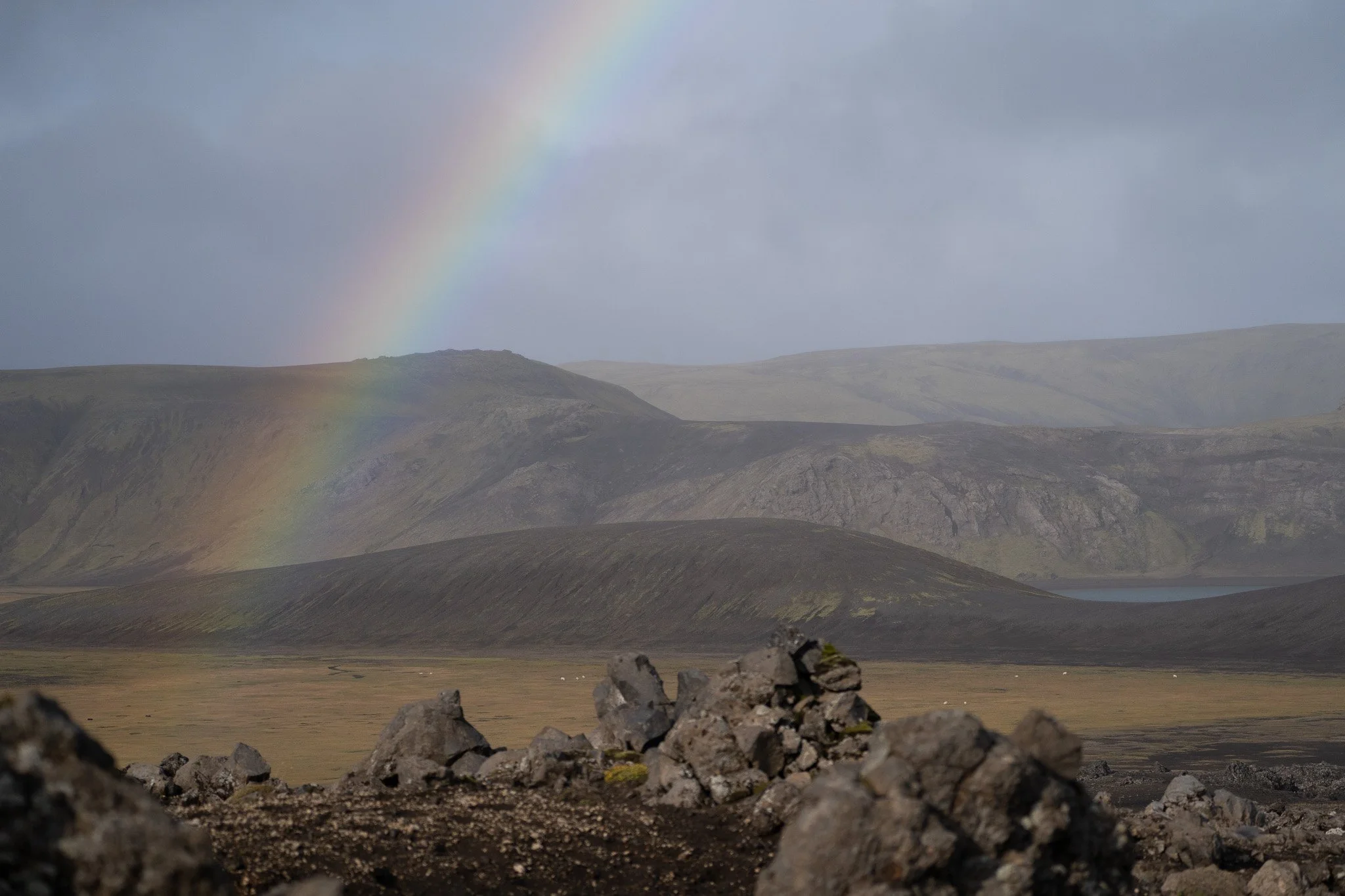
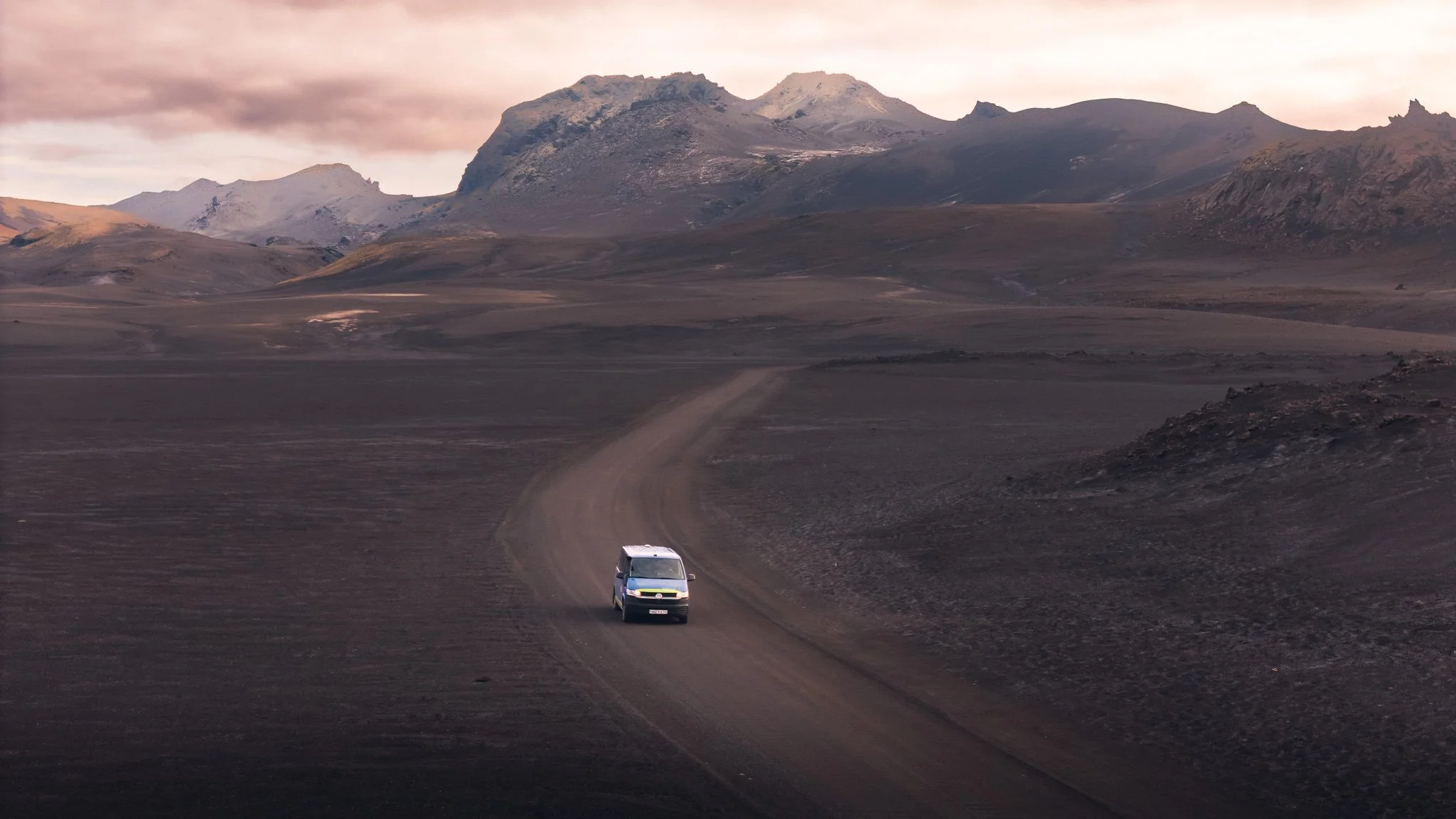
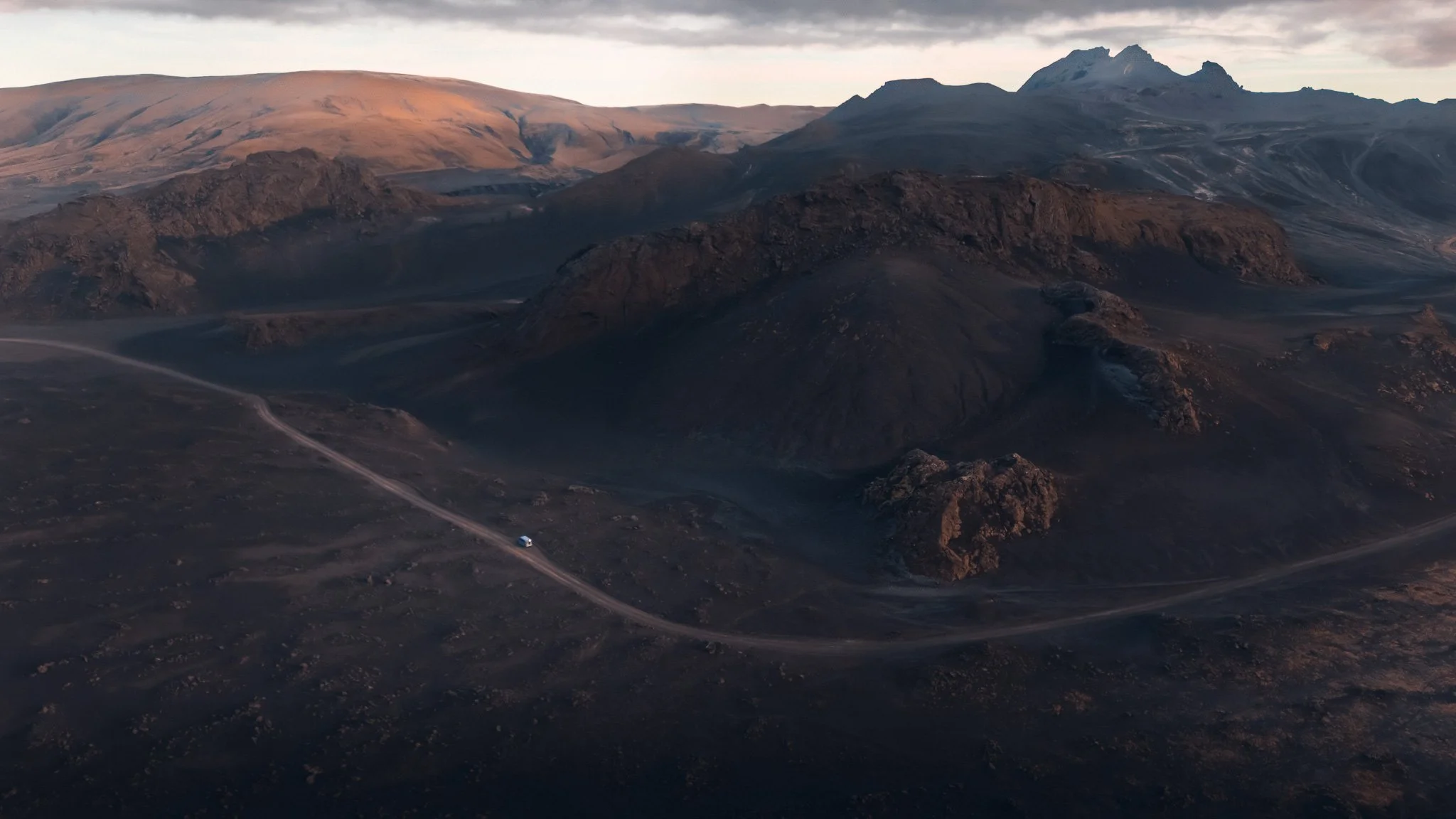
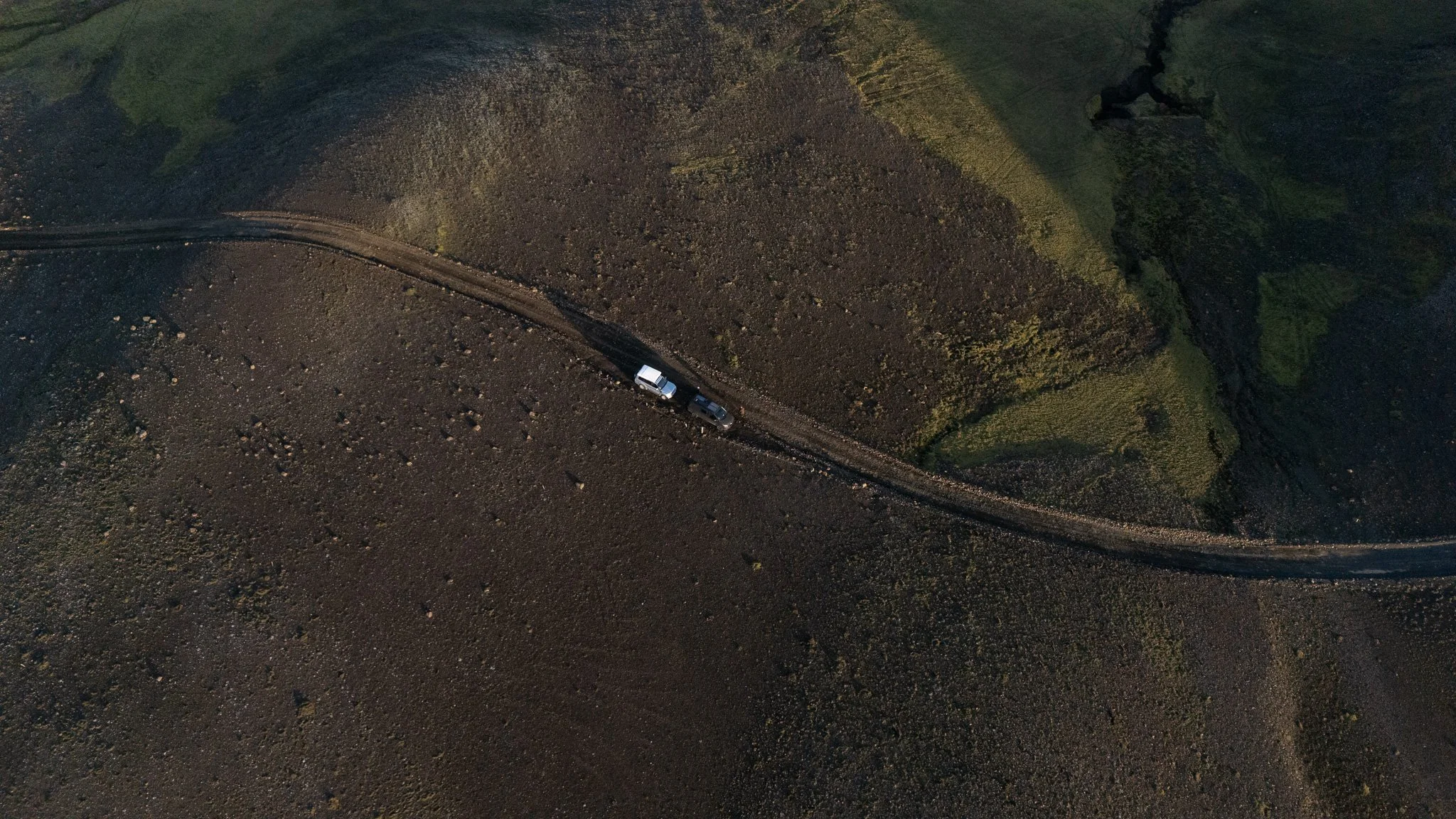
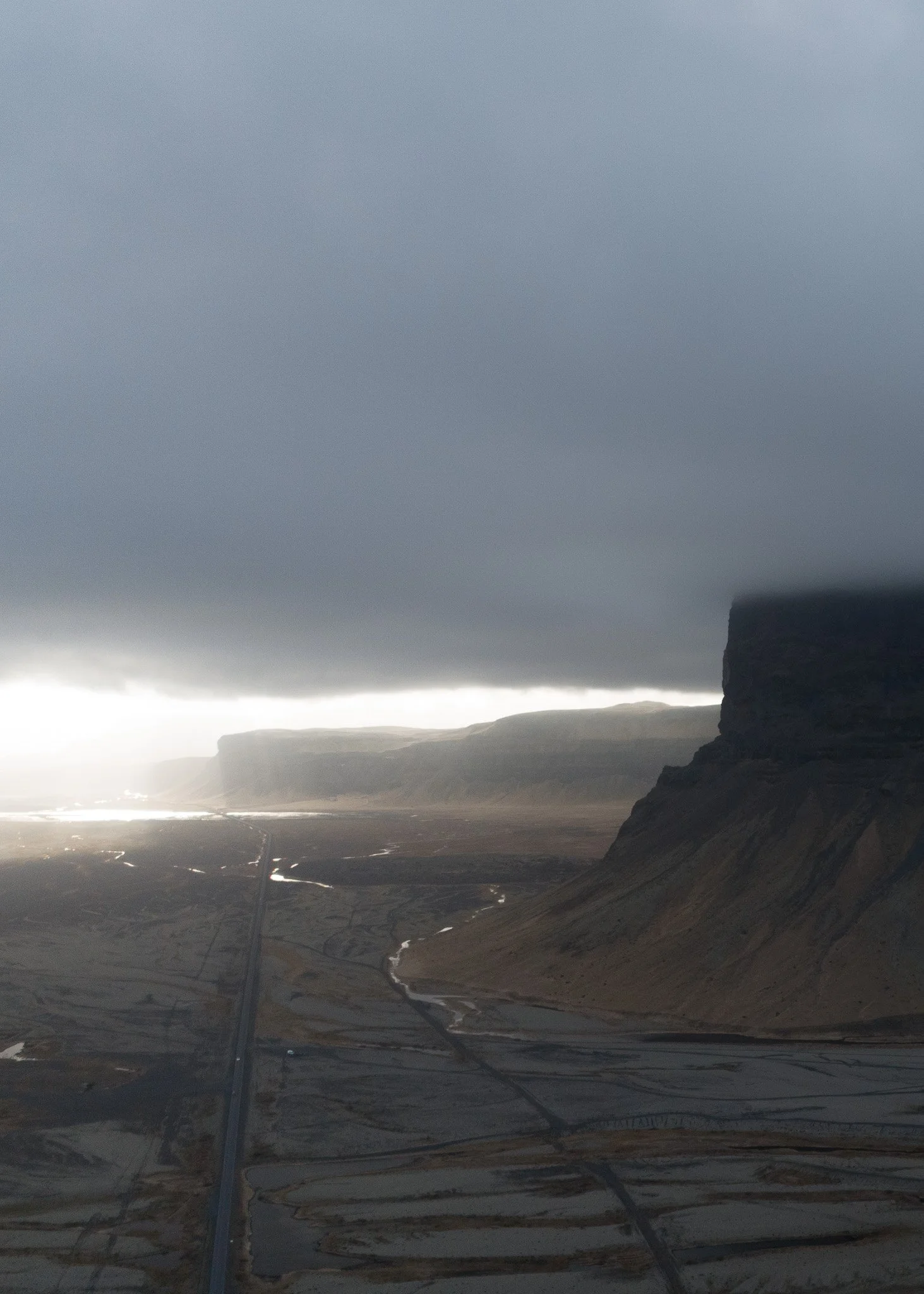
Road in Laki
So, we have had quite a few different adventures on Icelandic roads, and we have learned that choosing the right vehicle can make a HUGE difference to your trip.
Driving the Ring Road in a comfortable motorhome is one thing. Exploring the remote Highlands in a proper 4x4 is something completely different. And sleeping in a rooftop tent when the Icelandic wind decides to show you who's boss? Well, that's another story!
There is no single perfect vehicle for everyone. It really depends on where you want to go, what kind of adventure you are looking for and how comfortable you want to be along the way.
In this guide, I want to share our experiences and everything we have learned about driving in Iceland – from choosing the right rental car or camper to exploring the Highlands, crossing rivers and surviving Icelandic winter weather.
Because Iceland is one of those places where the journey is just as spectacular as the destination.
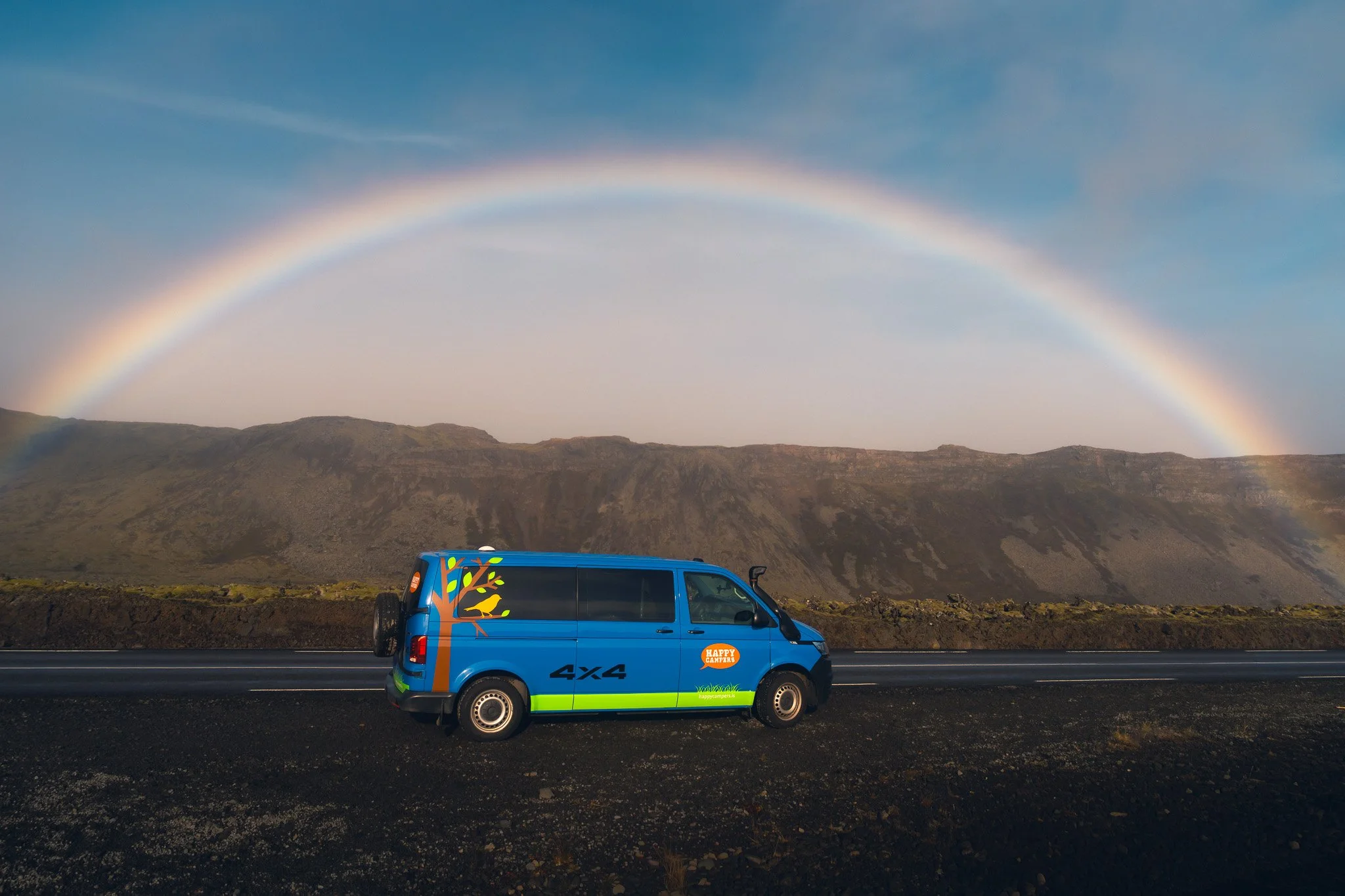
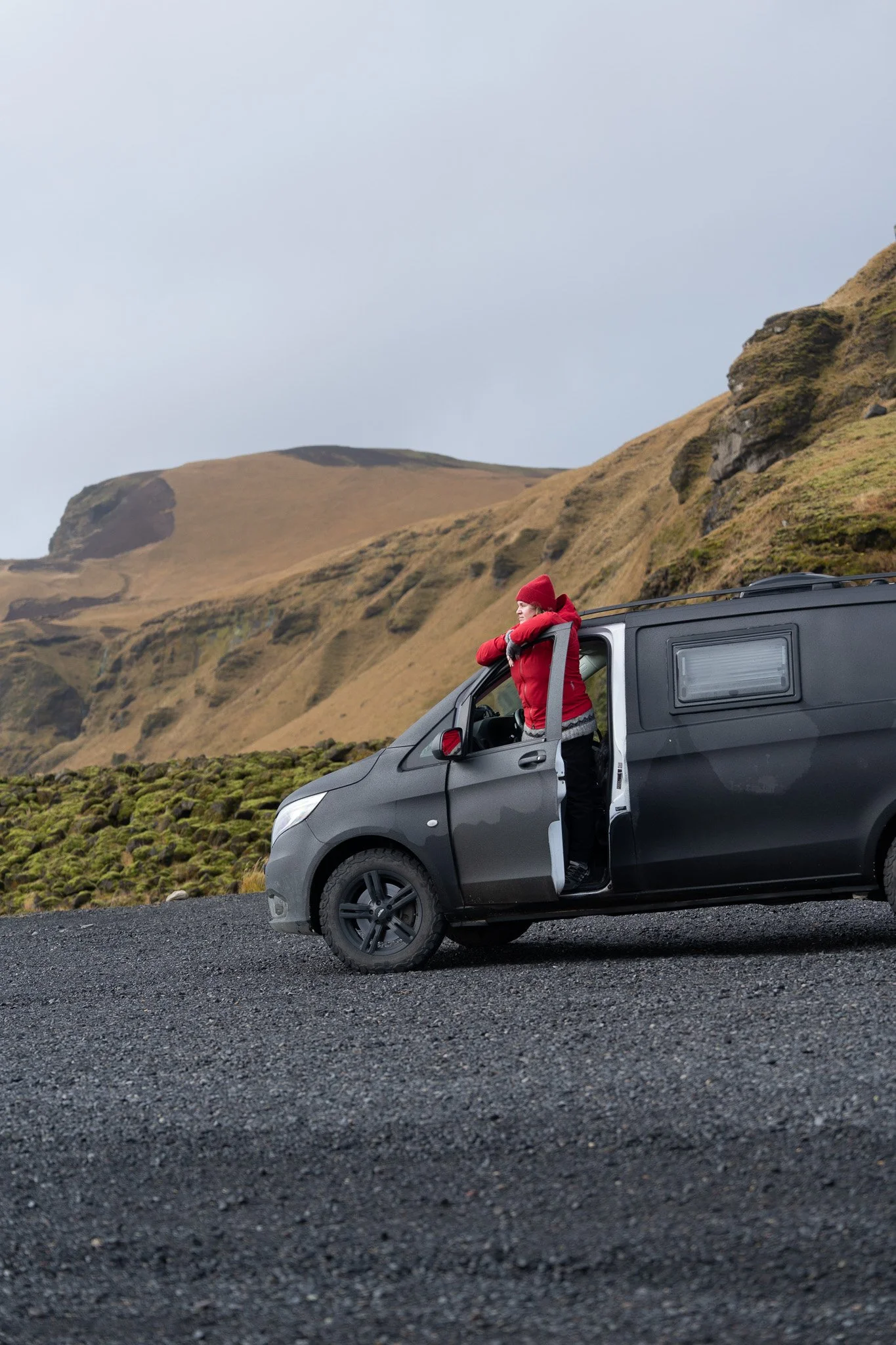
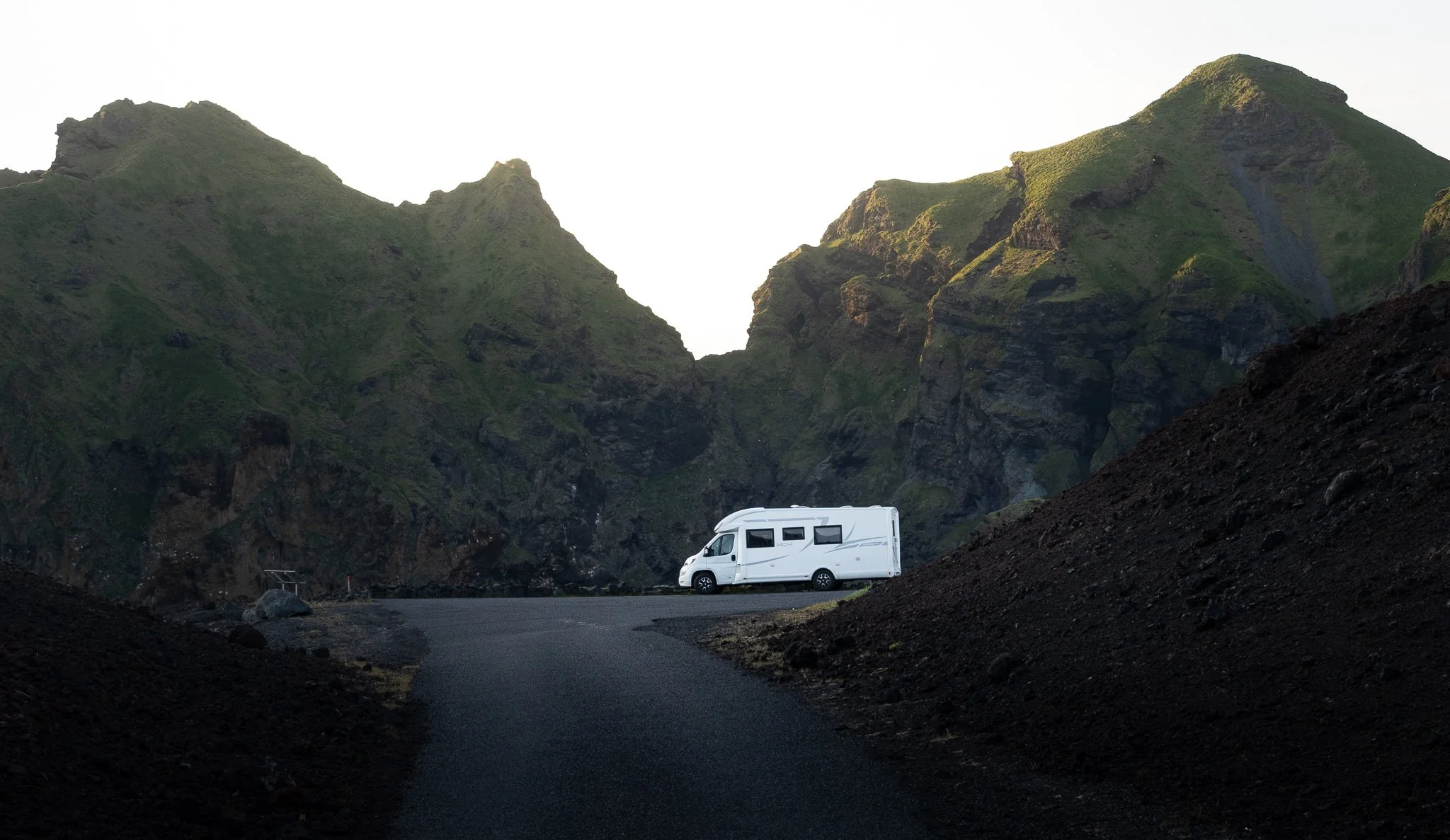
1. Choose Your Adventure – Which Car Do You Need?
The first thing to understand is that your choice of vehicle depends entirely on where you want to go.
A regular rental car
If you are planning to explore the Ring Road, visit waterfalls, glaciers, black sand beaches and the main tourist attractions, live in the hotels ect a regular two-wheel-drive rental car is usually enough during suitable summer conditions.
The Ring Road (Route 1) is generally in very good condition and mostly paved. You don't need a 4x4 just to drive around Iceland.
A 4x4 SUV or Camper
A 4x4 gives you more flexibility, better ground clearance and more confidence on gravel roads. It is a good all-round choice if you want to explore beyond the main tourist routes. In a camper you can actually stay at campsites in the middle of nowhere in Highlands and its just beyond cool experience.
But remember, not every 4x4 is suitable for every Highland road. Ground clearance and vehicle specifications matter just as much as four-wheel drive.
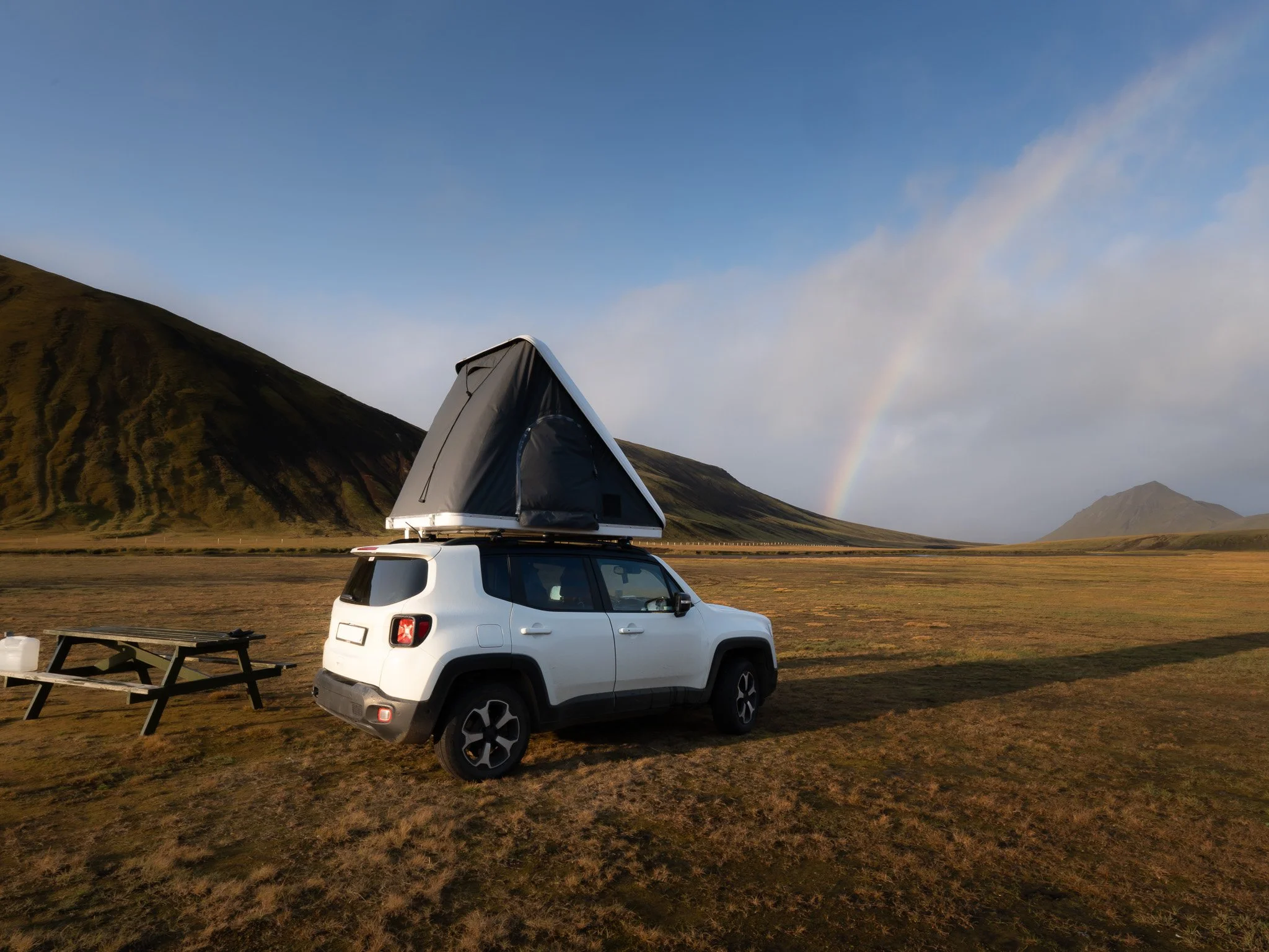
A Jeep with a rooftop tent
Sounds like a dream, doesn't it? Drive around Iceland, park somewhere beautiful and sleep under the stars.
Well, there is one little problem: the Icelandic wind!
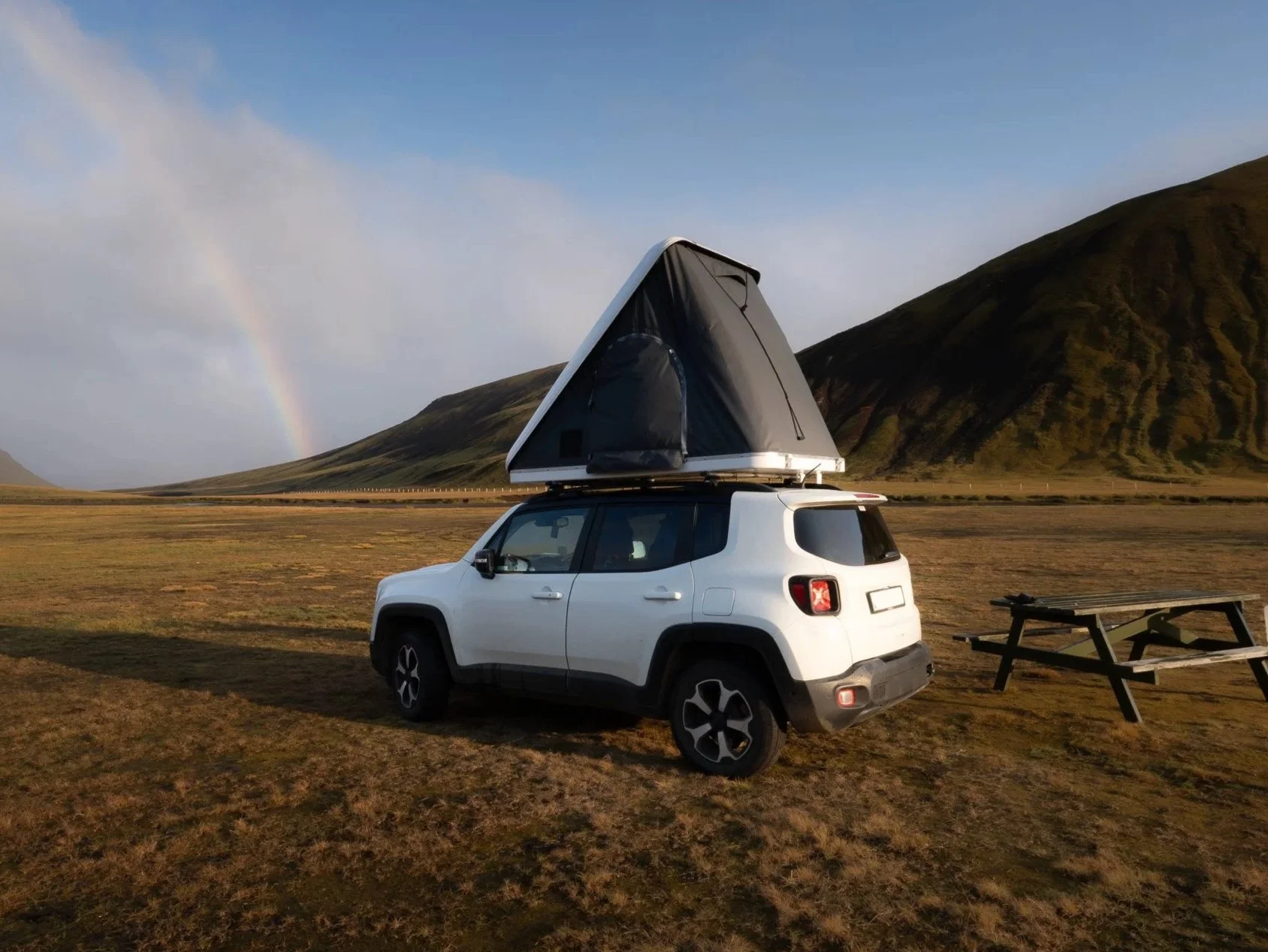
Our Roof tent experience in Landmannalaugar camping (on the F225)
A rooftop tent can become a rather crazy experience when strong gusts start shaking your vehicle. Sleeping comfortably might be difficult, and setting up or packing away the tent in bad weather isn't much fun either. We forgot secure our shoes outside once (when we went to sleep the weather was good) - after night wind took off - we spent whole morning searching for the shoes in a very large field in camping in highlands. It was fun :D
I would choose this option for summer and shorter periods and always pay attention to wind forecasts and the tent manufacturer's wind limits.
A campervan or motorhome
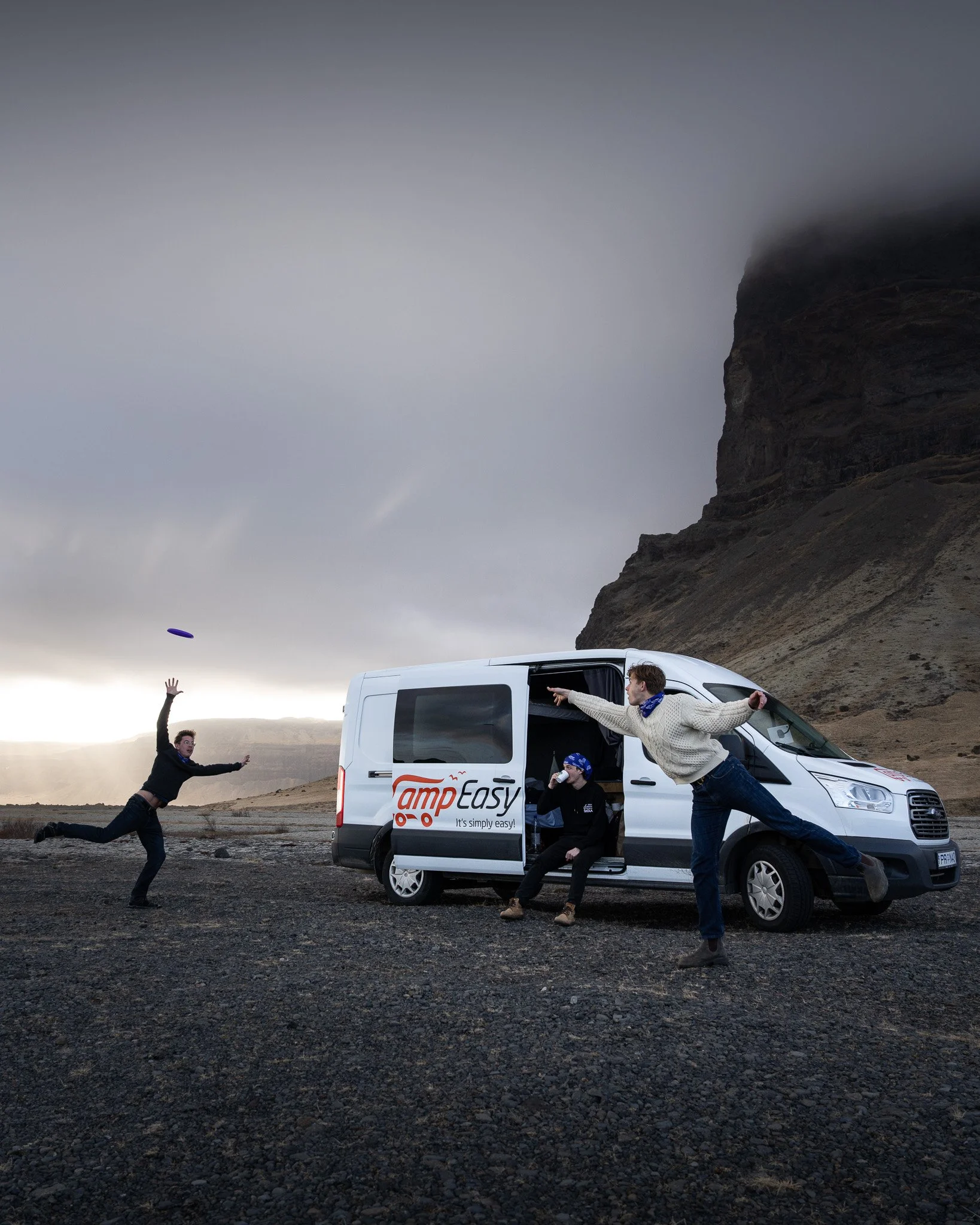
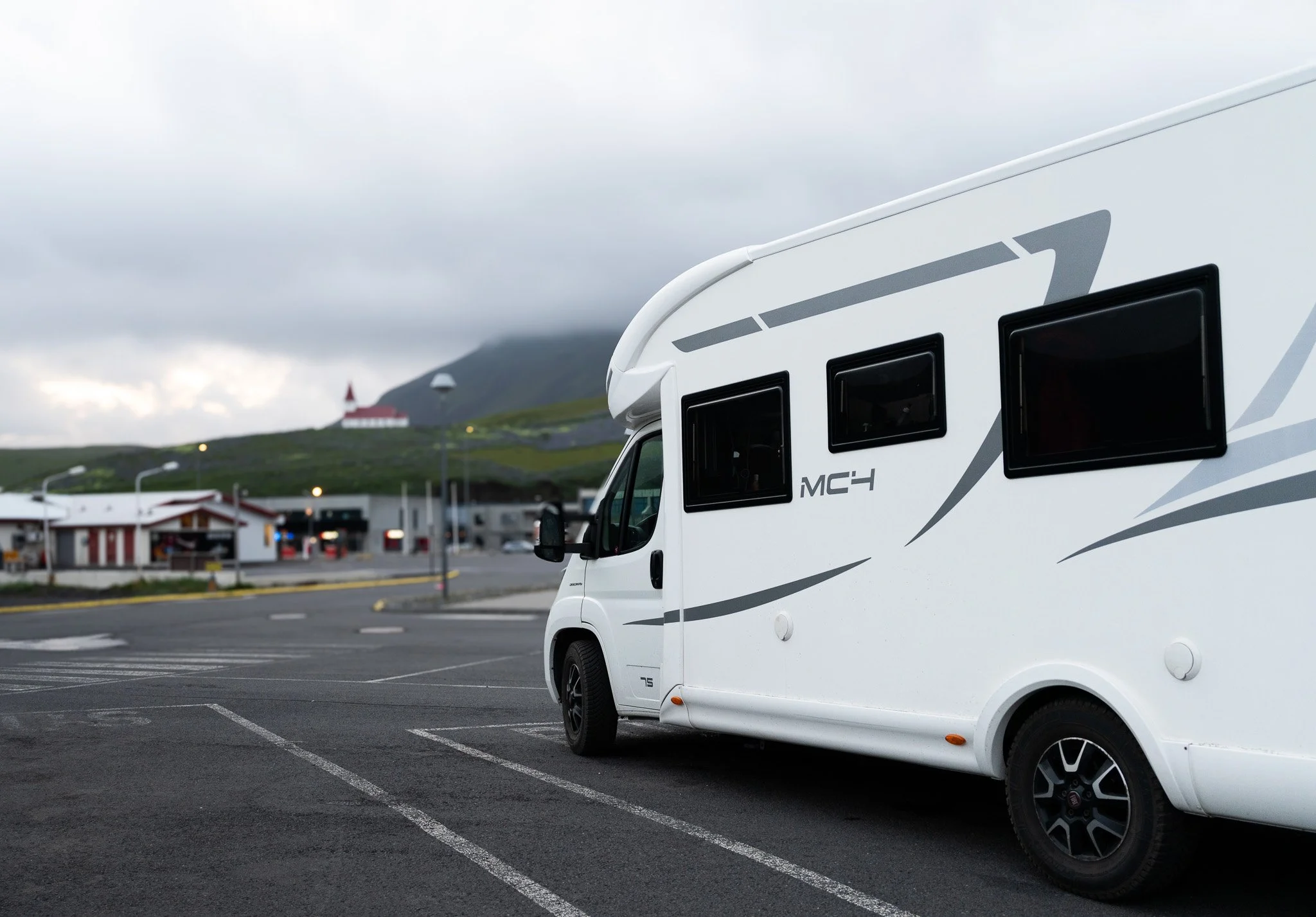
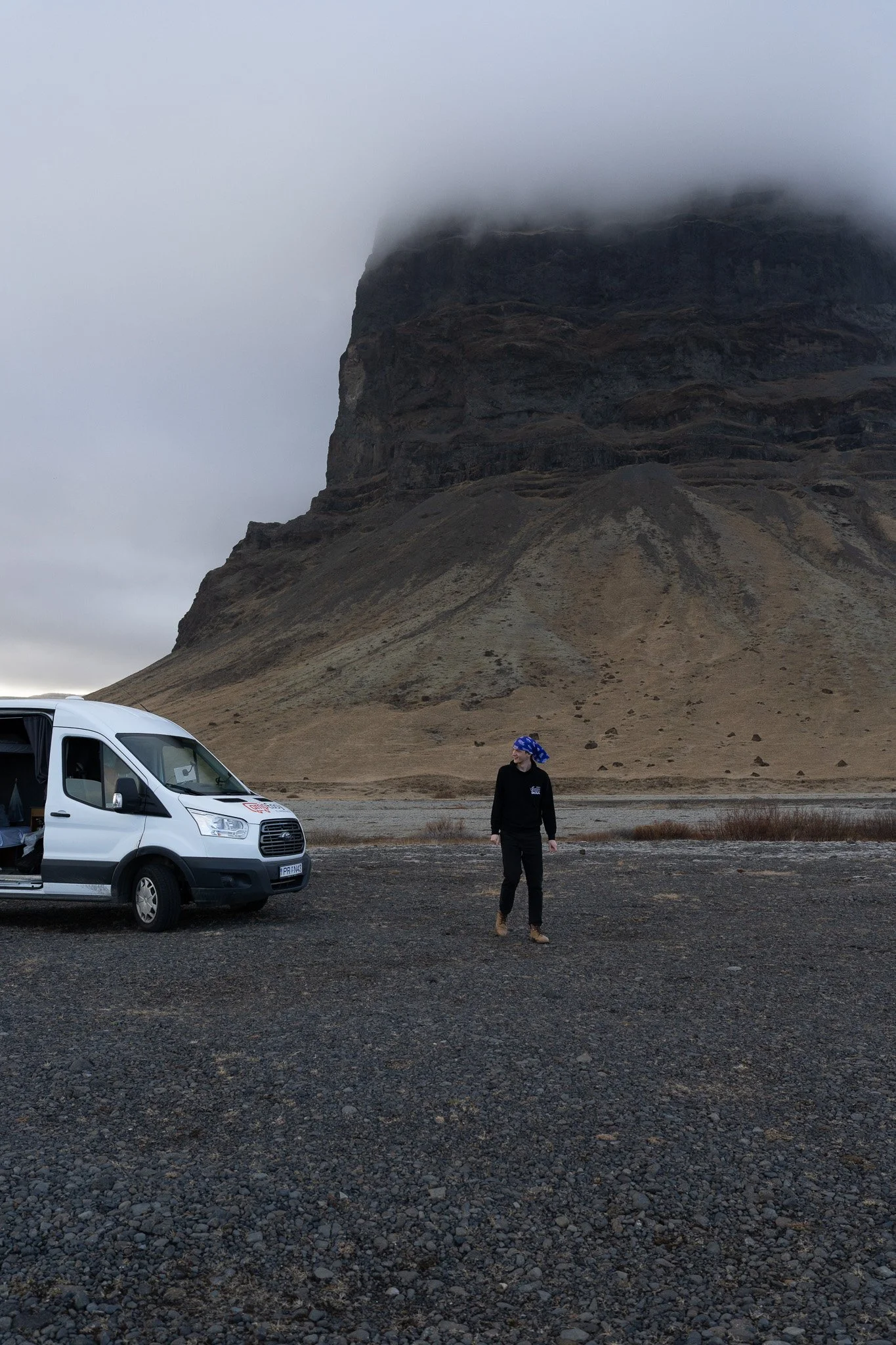
One of the most popular ways to explore Iceland is by renting a camper and driving the Ring Road.
And I completely understand why!
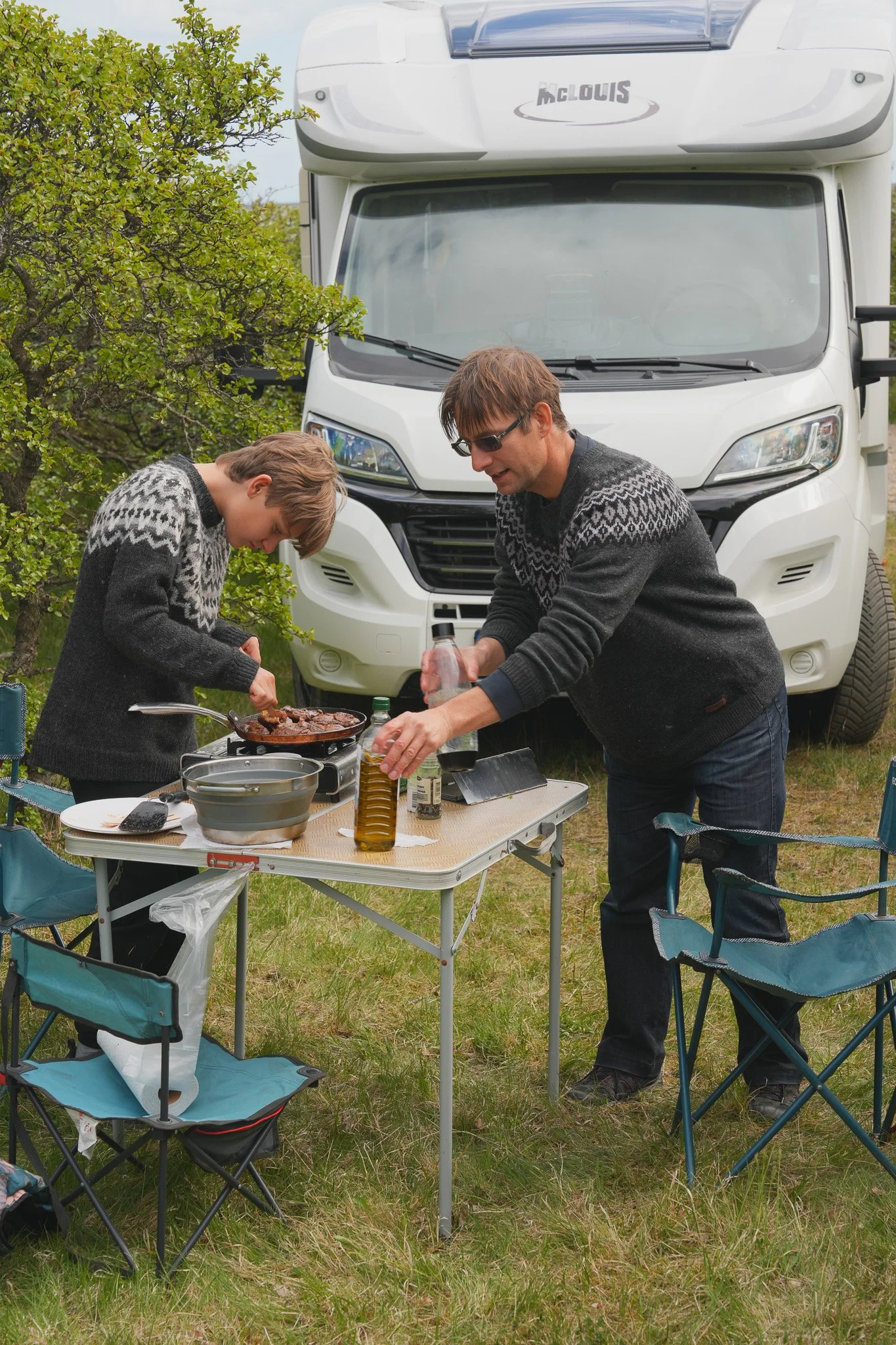
You bring your little home with you. You can cook, sleep, charge your camera batteries, dry your clothes and enjoy the freedom of travelling without booking a hotel every night.
There are small campervans for two people and larger motorhomes with kitchens, toilets and more living space for families.
For a longer photography trip, I would definitely appreciate having more space.
One thing I would never compromise on: heating. Even in summer, Icelandic nights can be cold. Make sure your camper has a proper heating system.
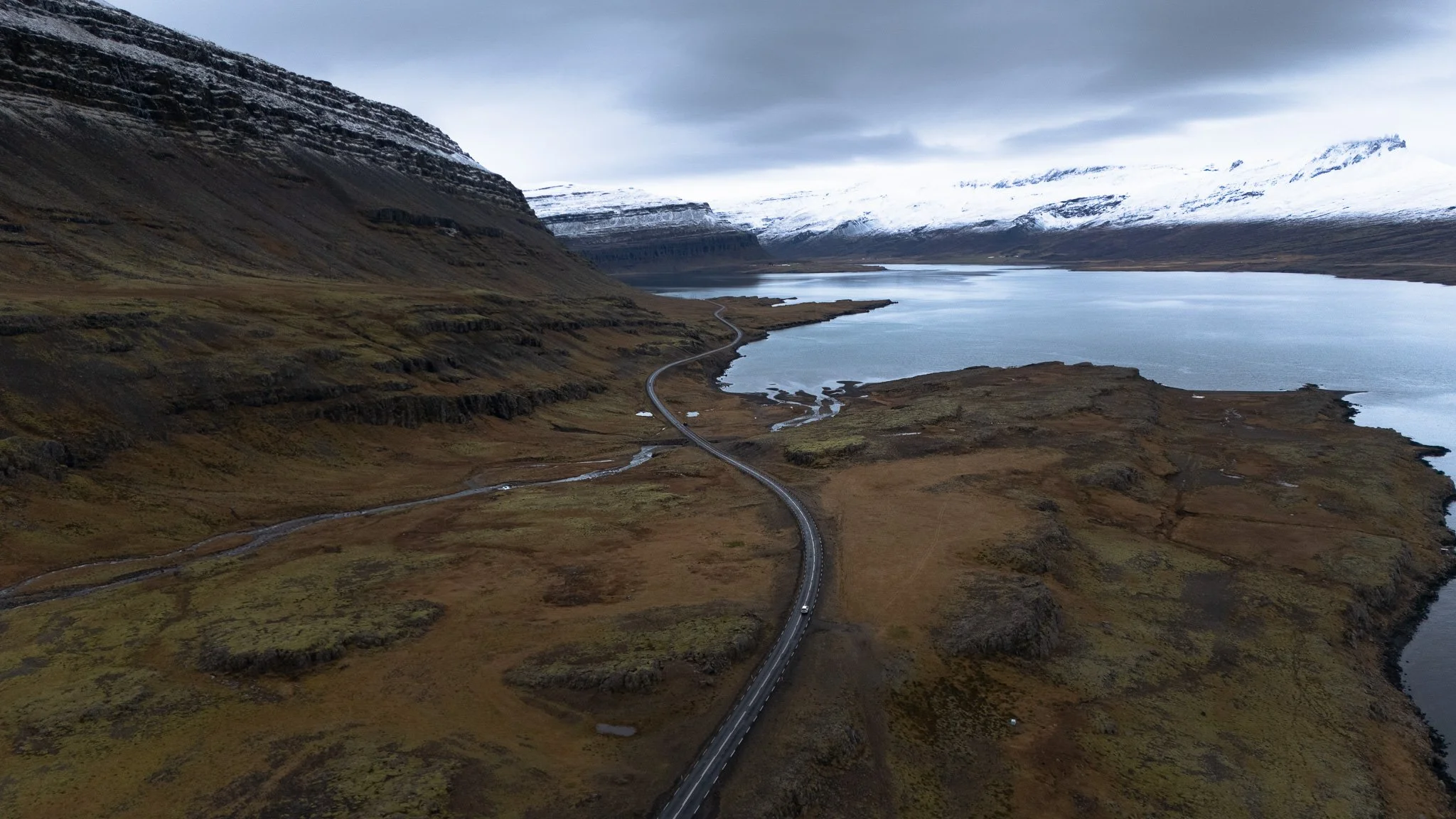
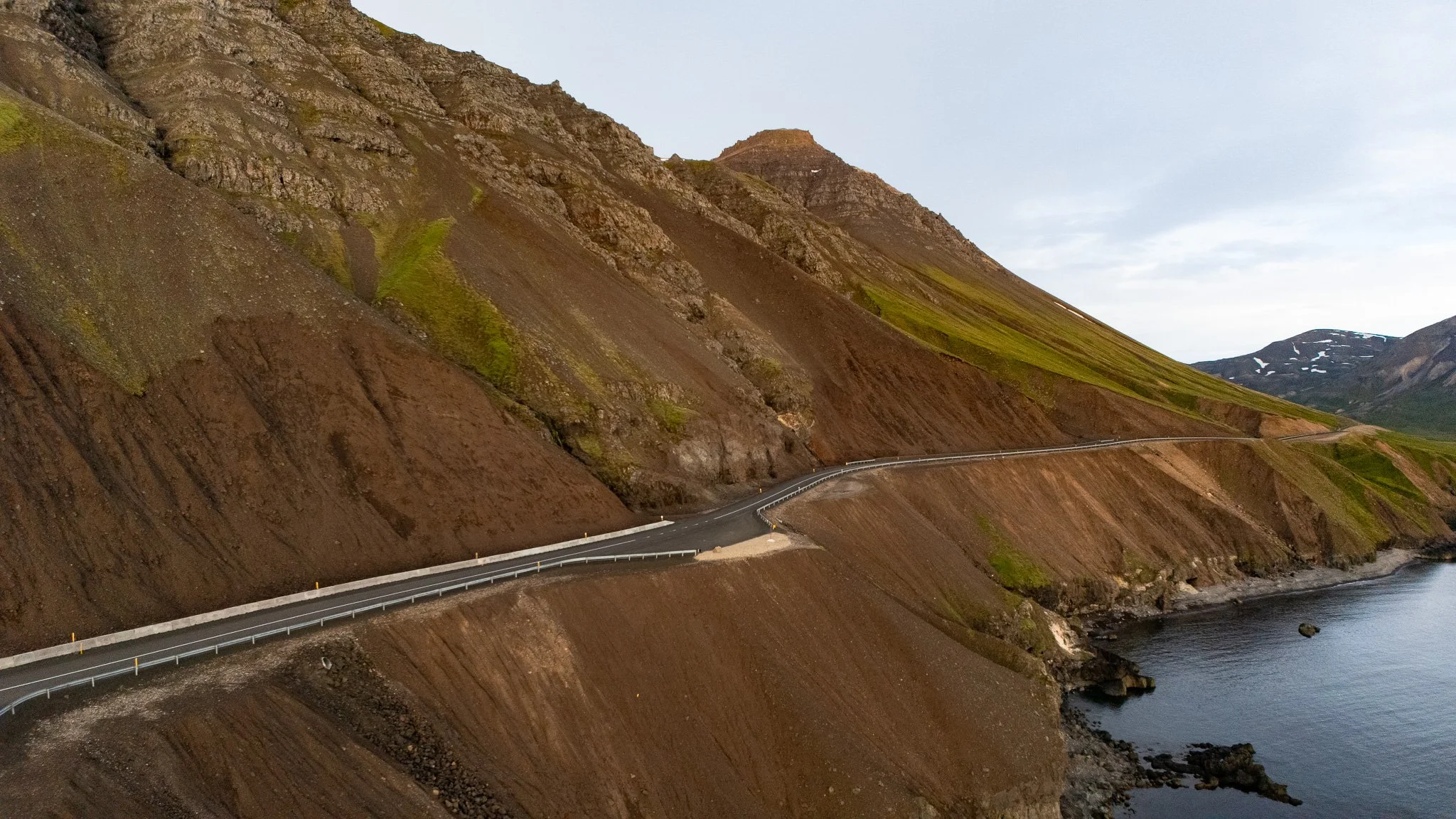
Road to east fjords
2. Your Home on Wheels – Why a Camper Is So Special
Travelling around Iceland in a camper is an experience in itself.
Imagine waking up with a view of a glacier, making your morning coffee and opening the door straight into the Icelandic landscape.
You don't have to rush anywhere. You can follow the weather, chase the sunset and stay longer when you find a beautiful location.
There are campsites all around the Ring Road, making camper travel relatively easy.
But there are two things worth remembering.
First, larger campers are more sensitive to strong winds and can be challenging on narrow roads and gravel tracks.
Second, overnight stays in a vehicle generally need to be at an organised campsite or somewhere you have permission to stay. You cannot simply park anywhere in Iceland and spend the night.
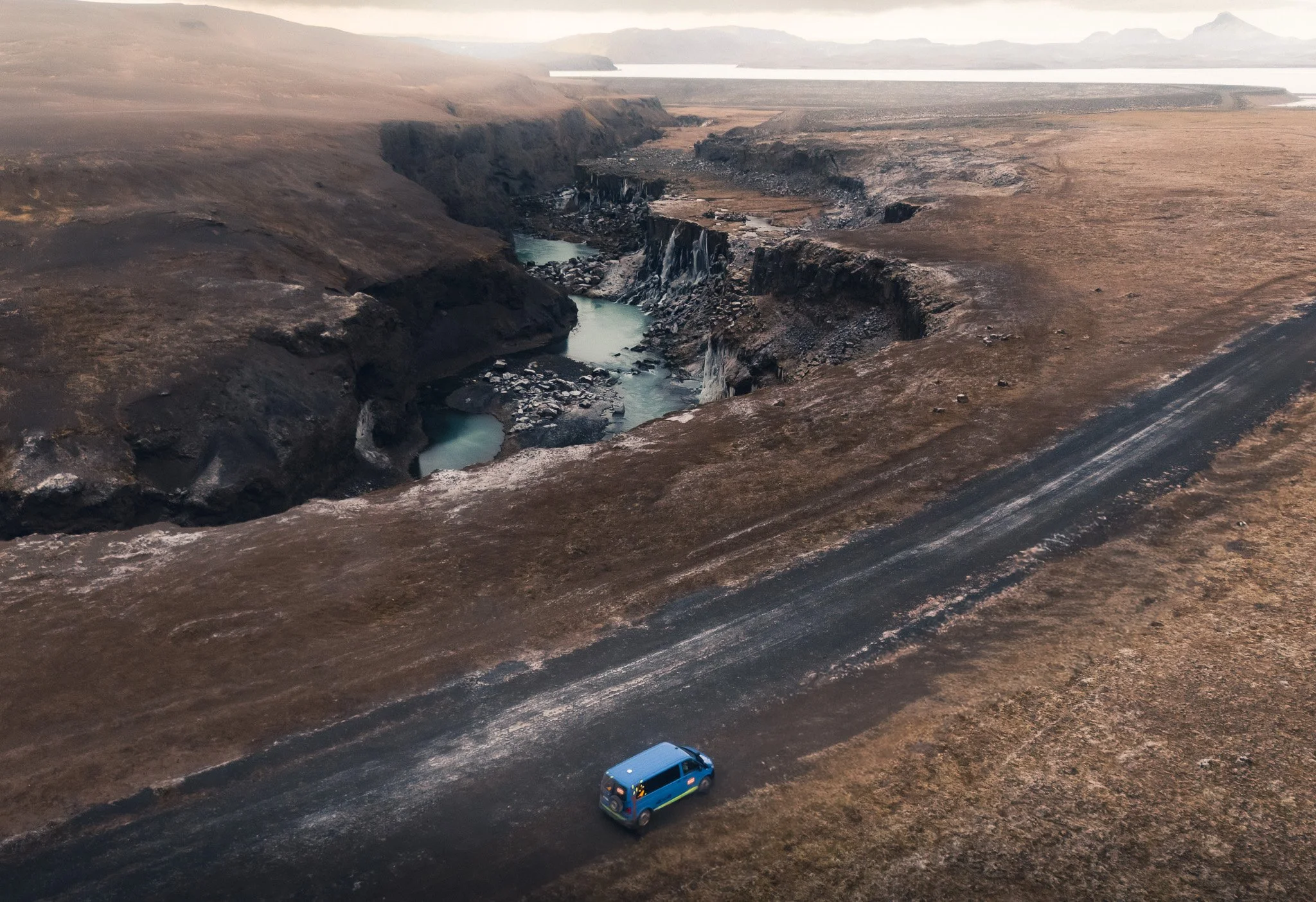
3. The Highlands – Where Iceland Becomes Another Planet
This is where things get really interesting.
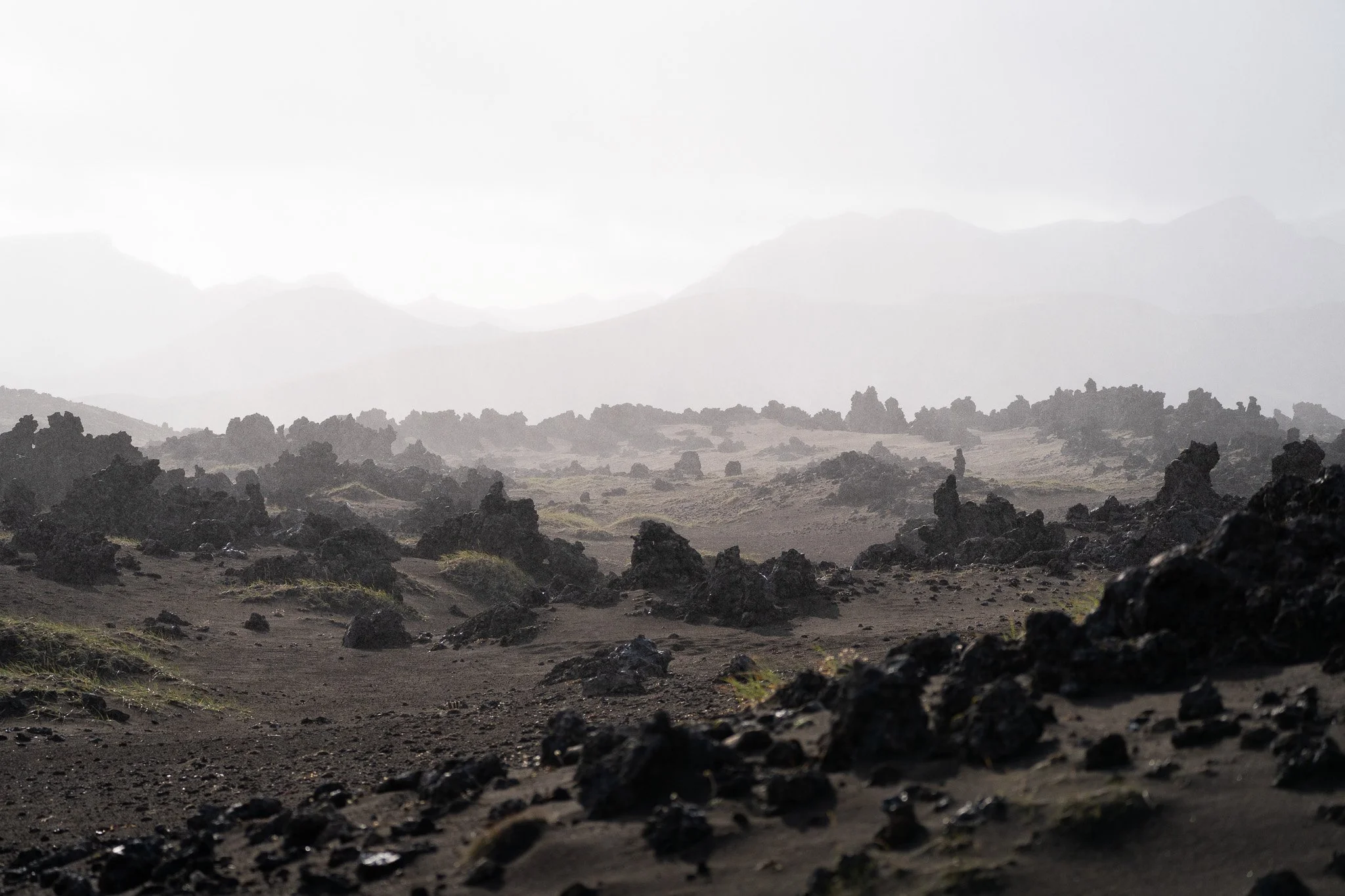
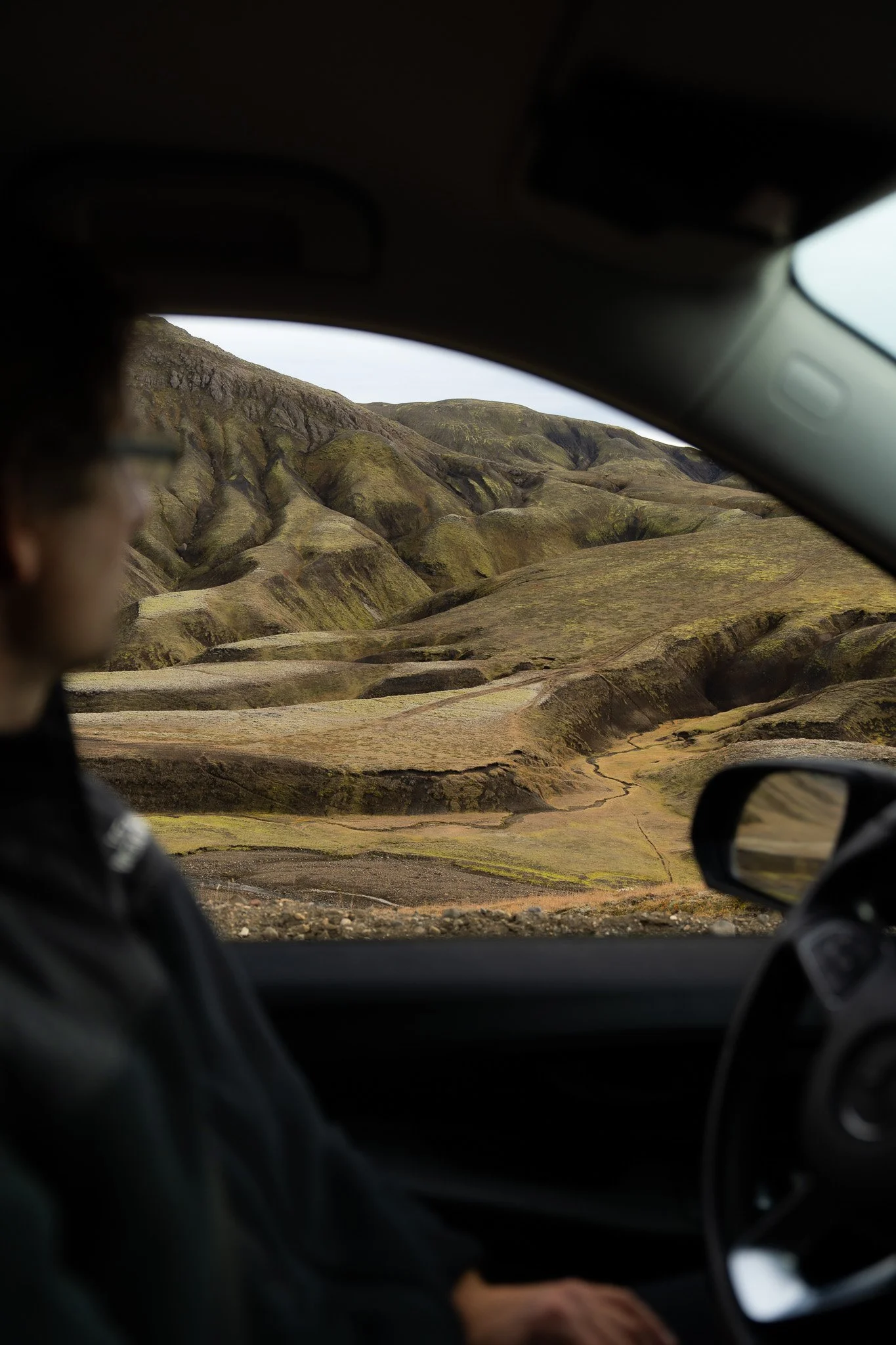
The Icelandic Highlands are, in my opinion, among the most extraordinary landscapes in Europe. Colourful volcanic mountains, enormous lava fields, geothermal valleys, glaciers and remote deserts.
Some of my favourite destinations include:
Landmannalaugar – incredible colourful rhyolite mountains and hiking trails.
Kerlingarfjöll – spectacular geothermal mountains and steaming valleys.
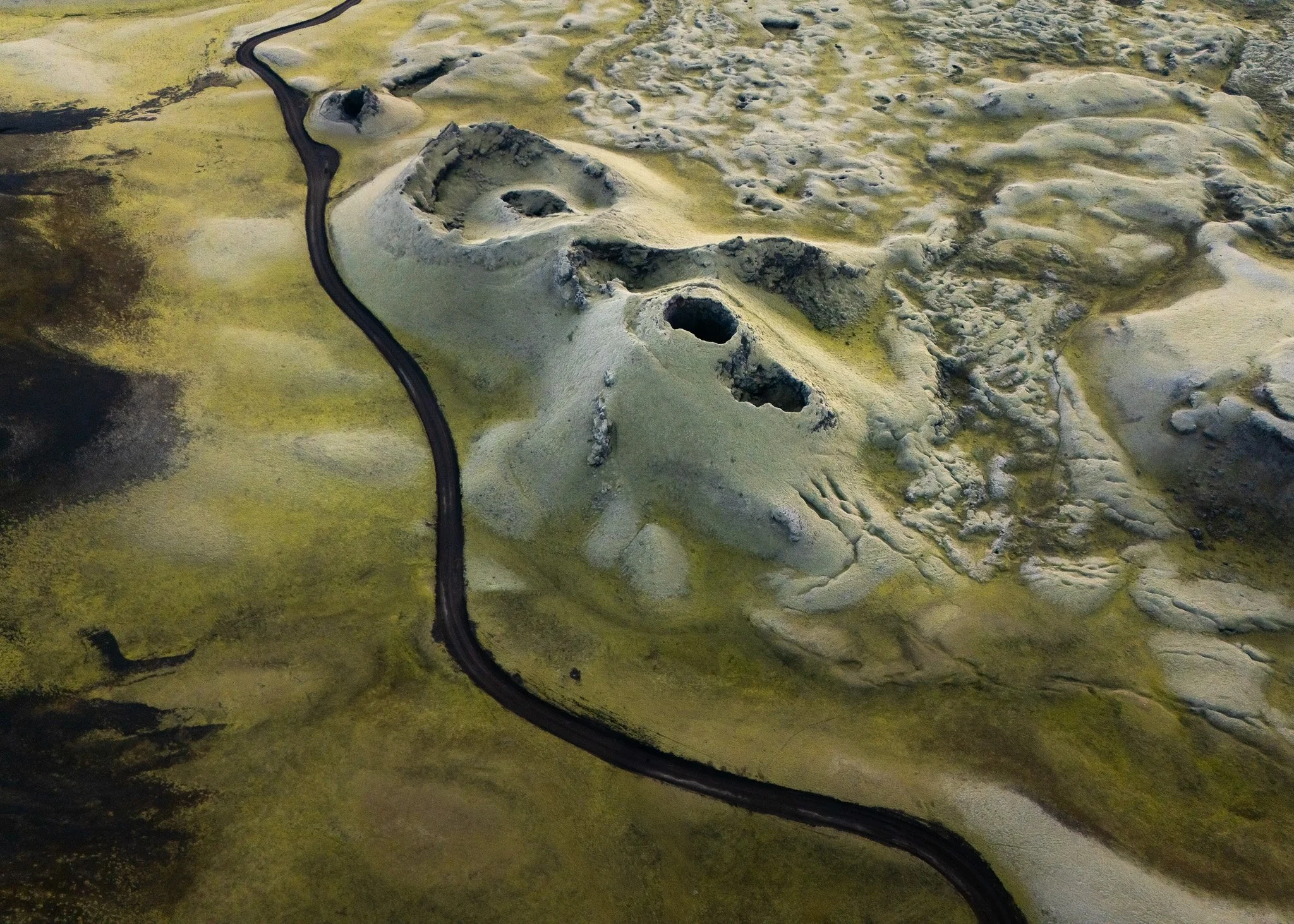
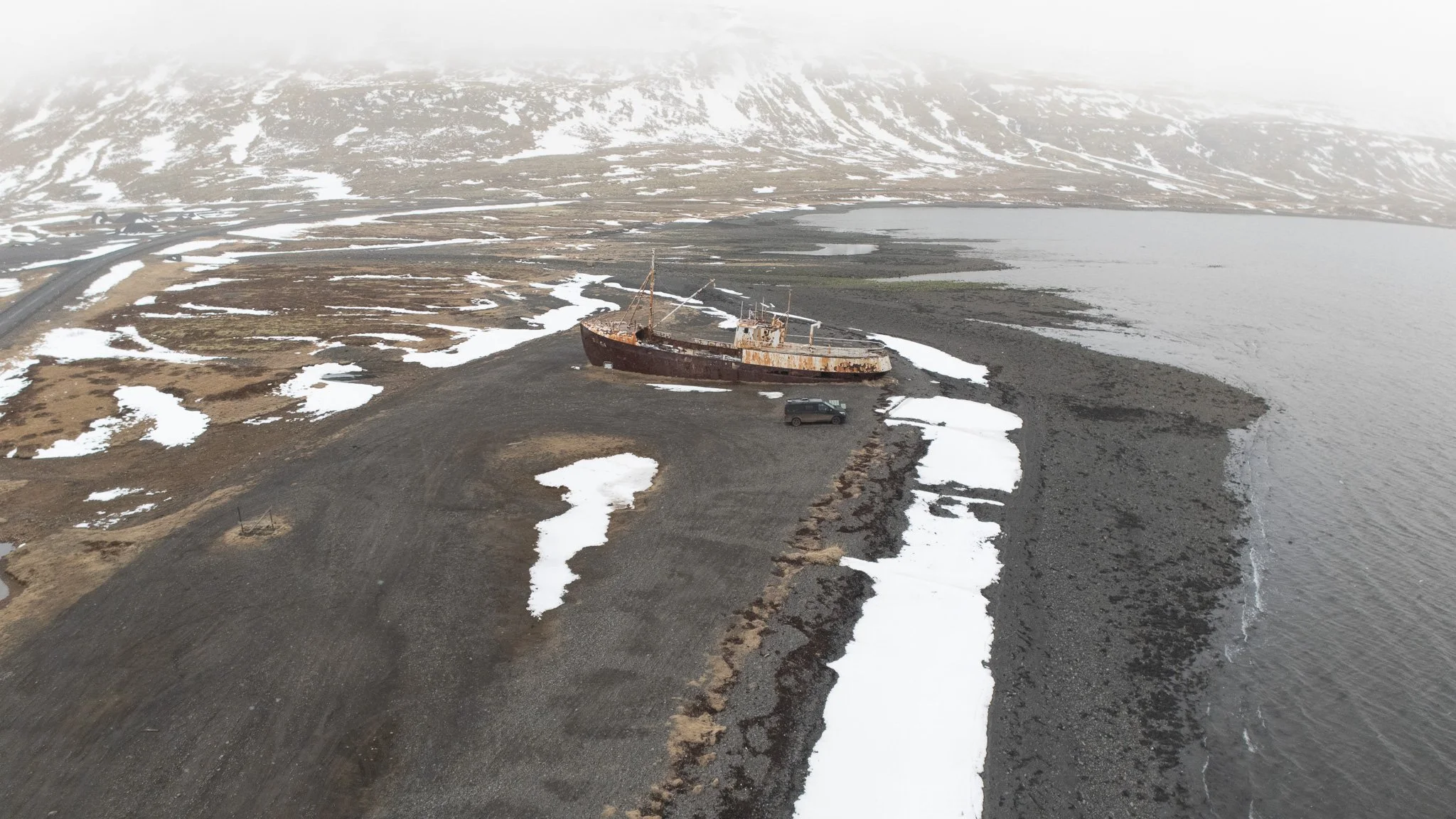
Lakagígar – a spectacular chain of volcanic craters created during the 1783–1784 eruption.
Eldgjá – an enormous volcanic canyon with waterfalls and fascinating geology.
Langisjór – a remote and beautiful lake surrounded by dramatic mountains.
Exploring these places in your own suitable 4x4 camper is something quite special. You have your little home with you, and you can spend the day exploring some of the most remote landscapes in Iceland before returning to a warm bed and your own kitchen.
But the Highlands are not the Ring Road.
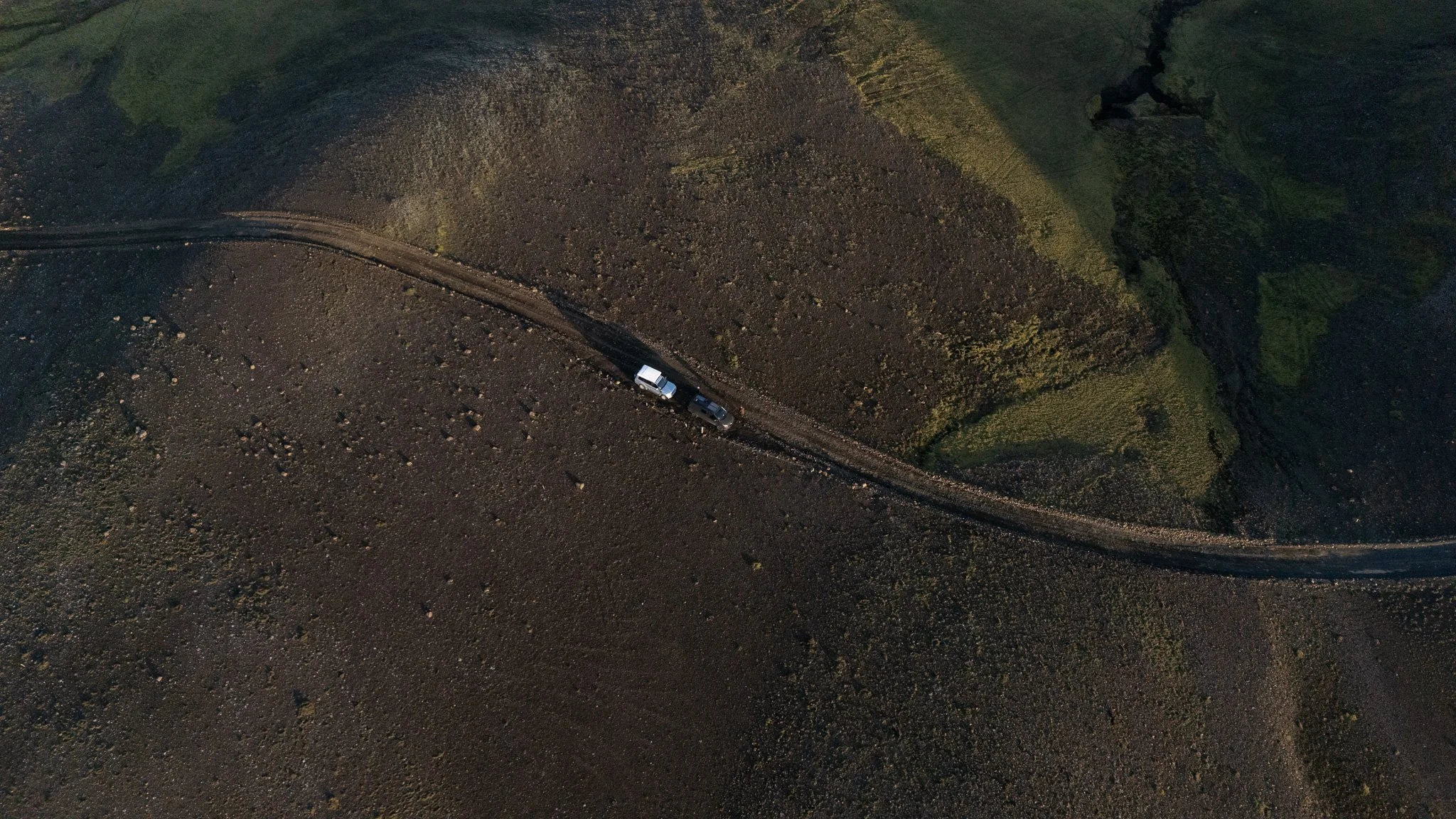
Many roads are marked with an F, meaning mountain road. These roads can have loose stones, deep ruts, steep sections and unbridged rivers.
You need a suitable 4x4, sufficient ground clearance and experience appropriate to the route.
A normal rental camper is NOT suitable for these roads. Even a 4x4 camper needs to be specifically approved for the roads you intend to drive.
Some of the more difficult routes are best explored with a professional super jeep and an experienced driver. Don’t go somewhere if you did not really study how to drive there. Googlemaps can send you to some places where you will never come out from :D
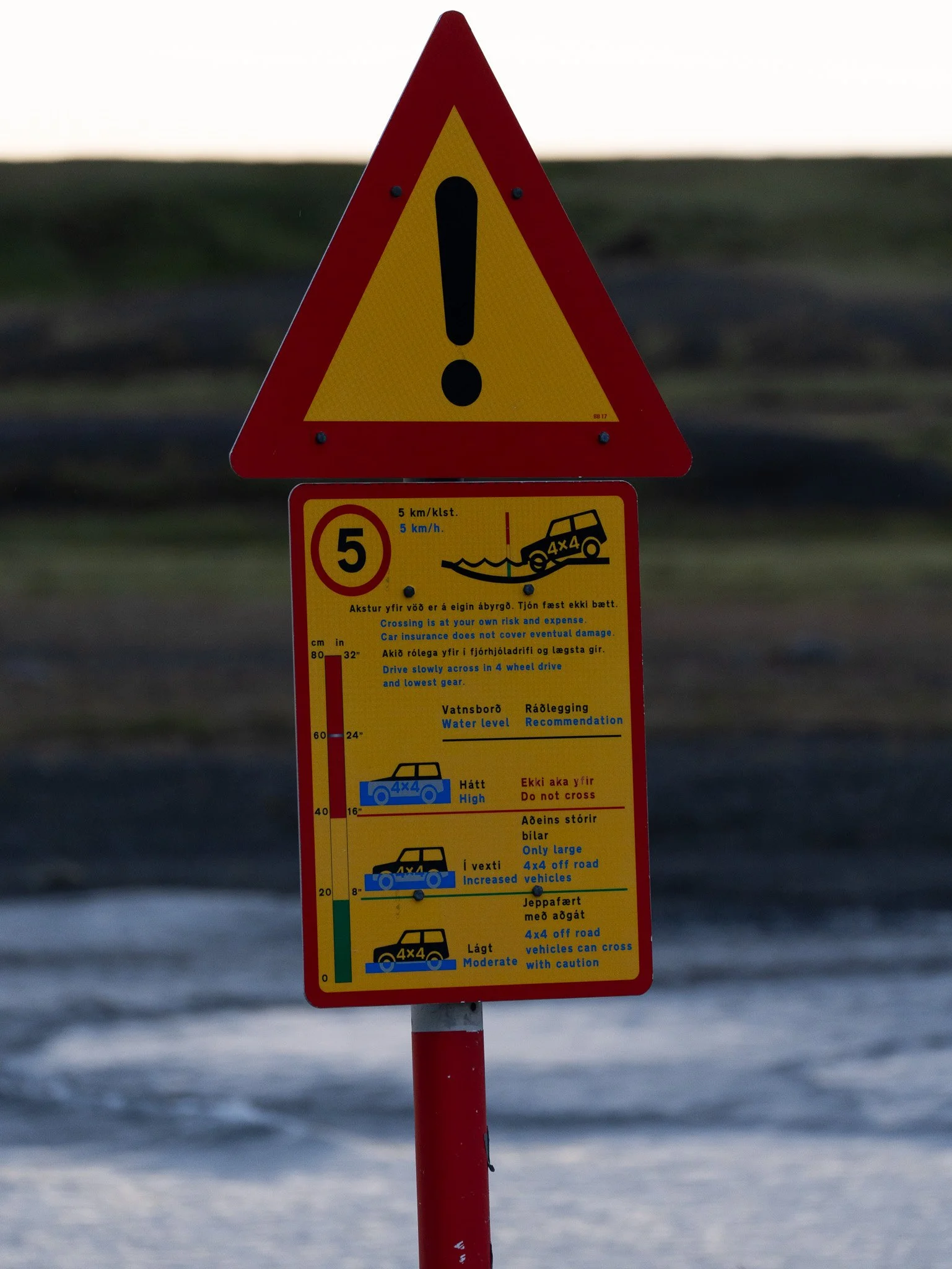
4. River Crossings – Don't Underestimate the Water!
River crossings are probably one of the most important things to understand before driving in the Highlands.
Some Highland roads have unbridged rivers, meaning you actually have to drive through the water to reach the other side.
Some are relatively shallow, while others can be deep, fast-flowing glacial rivers.
Water levels can change quickly depending on rainfall and glacial melting. A crossing that was manageable earlier in the day can become dangerous later.
Never assume that because another vehicle crossed successfully, yours can do the same.
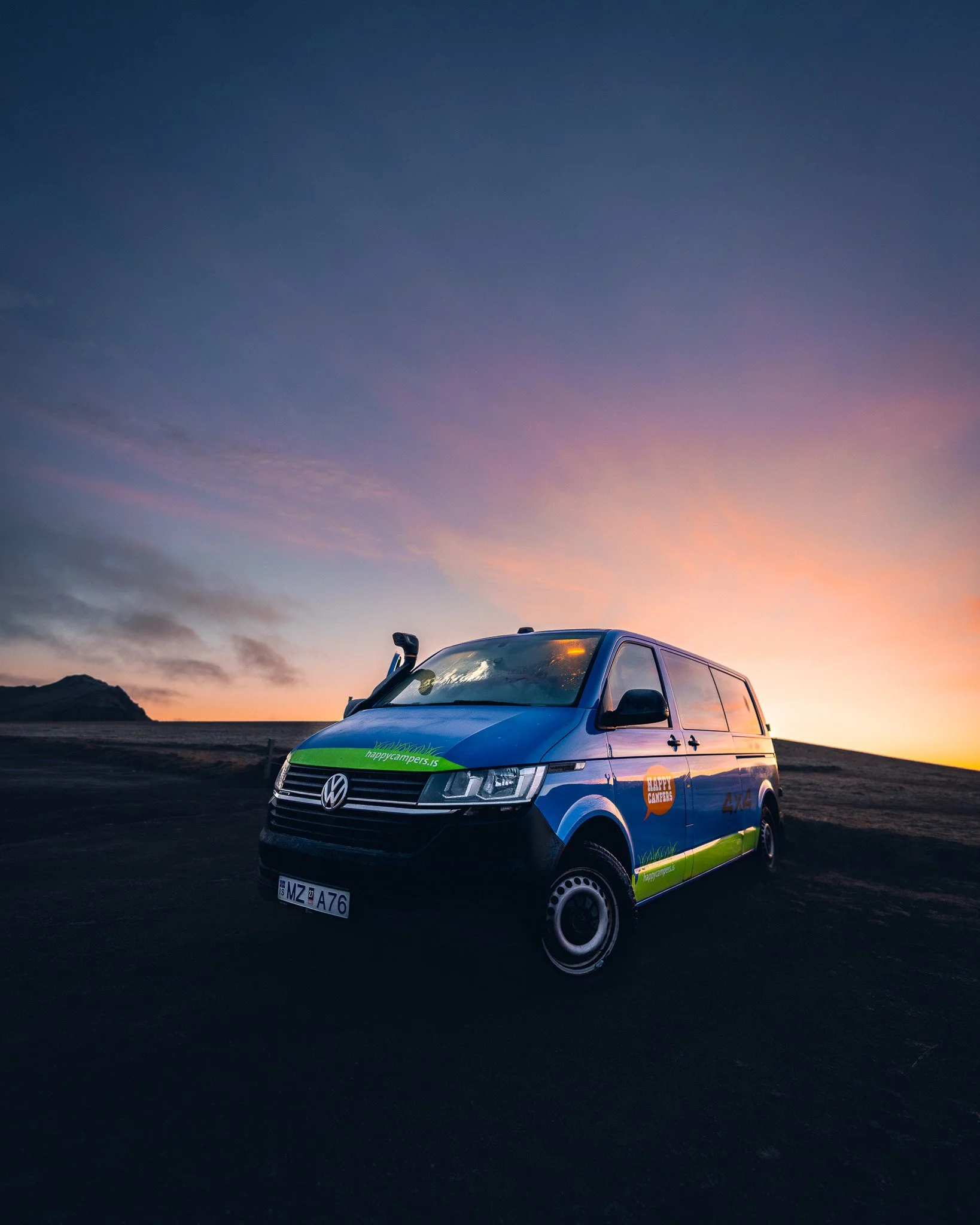
Why do some 4x4 vehicles have a snorkel?
A snorkel is a raised air intake fitted to the side of a vehicle. The engine needs air to work, and a normal air intake is usually positioned relatively low in the engine bay.
When driving through water, there is a risk that water will enter the air intake and reach the engine.
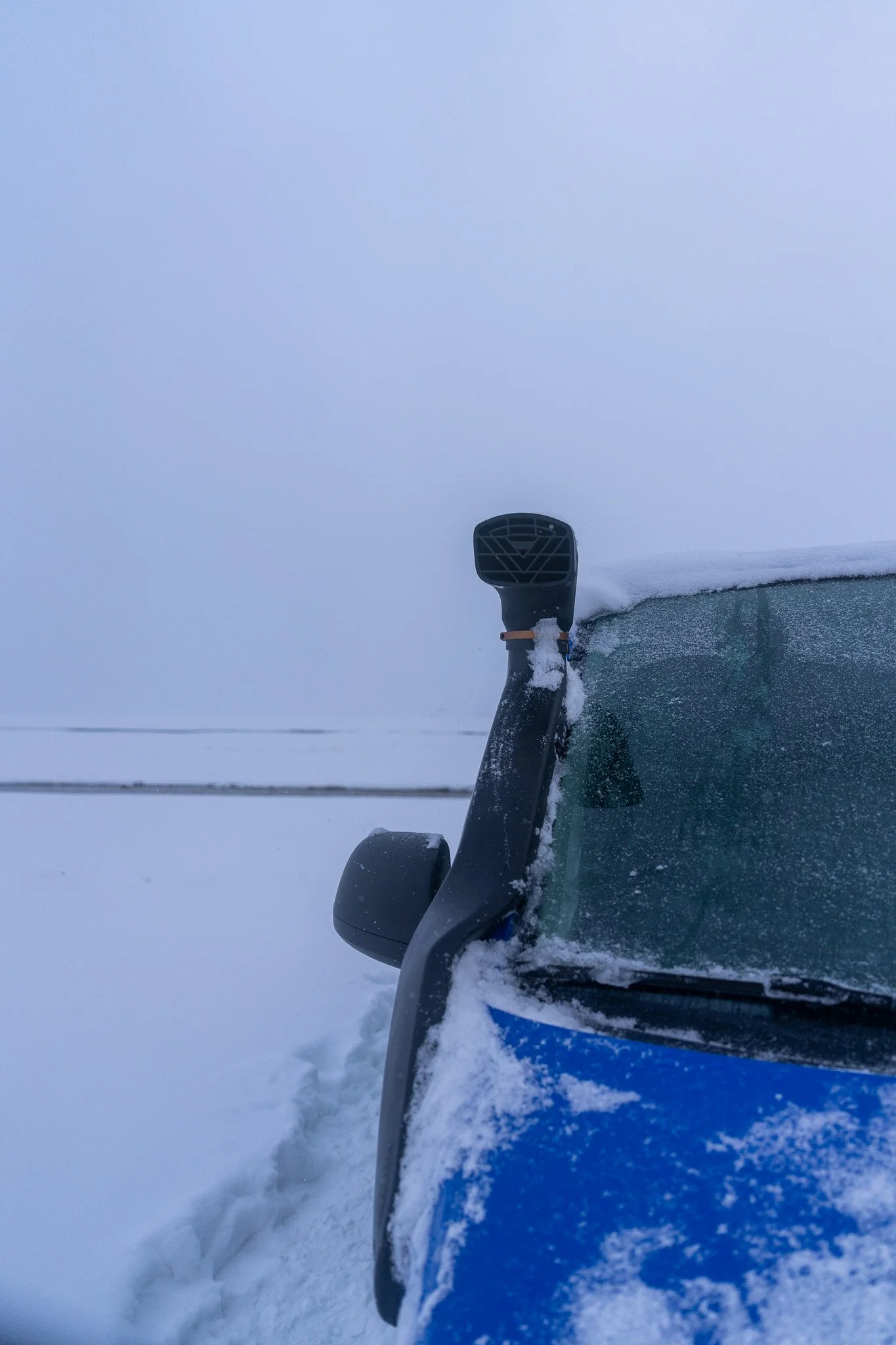
This can cause something called hydrolock. Water cannot be compressed like air, and the resulting damage to the engine can be catastrophic.
A snorkel moves the air intake higher, often close to roof level, reducing the risk of sucking water into the engine.
But a snorkel does NOT make your vehicle waterproof! Water can still enter through electrical components, transmission breathers, doors and other openings.
How do you cross a river?
Never enter a river unless you know it is safe for your vehicle and your experience.
Check the depth, current, riverbed and safest route. Use the appropriate low-range gearing if available, and follow the vehicle manufacturer's instructions.
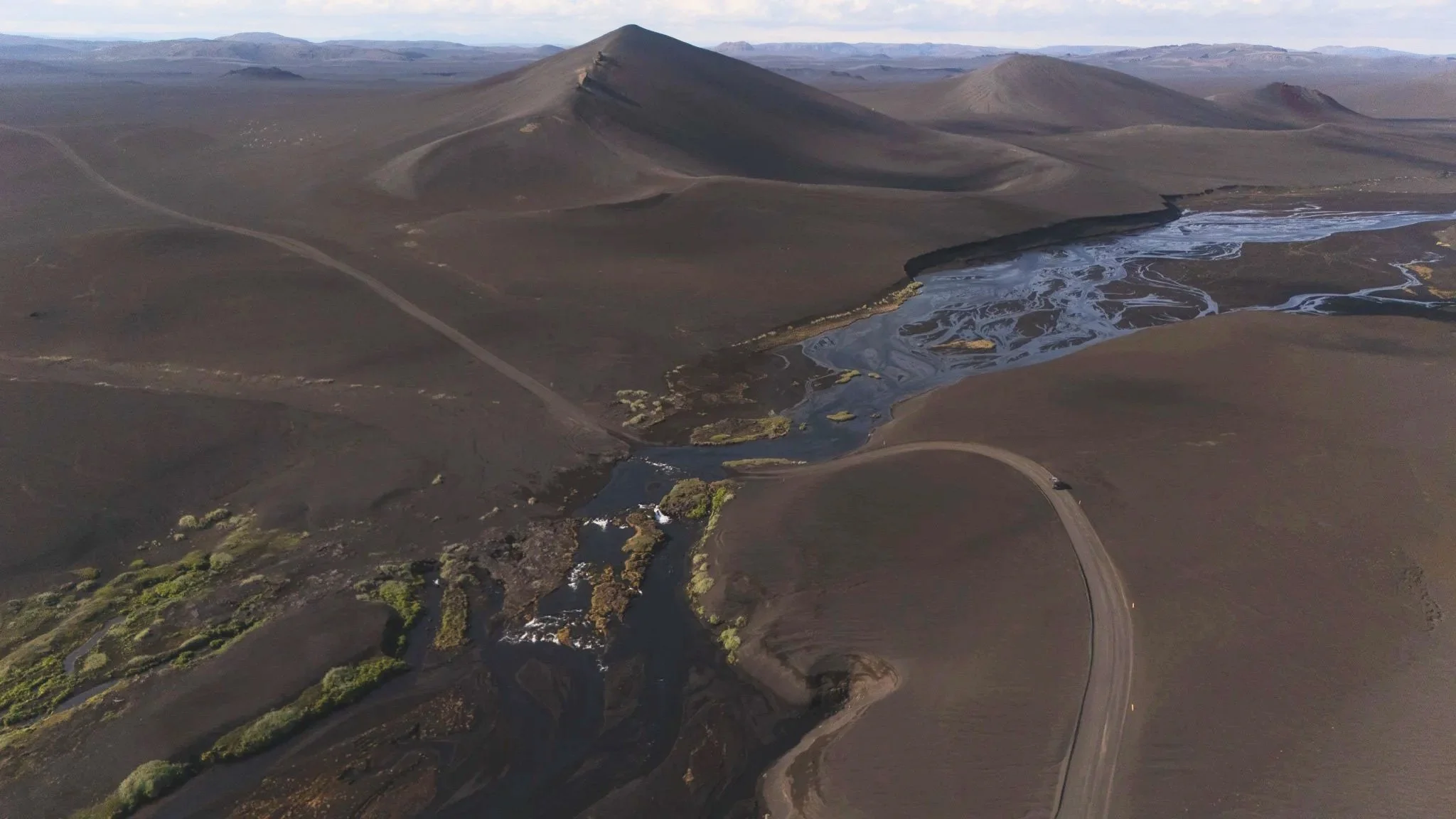
If you are unsure, don't cross. Turn around or wait until some other experienced local driver crosses first. I saw so many car getting stuck in the rivers. Its a very expensive mistake, because the rentals do not cover insurance if something happens in the river.
Also, check your rental insurance carefully. River-crossing damage is commonly excluded, even with expensive insurance packages.
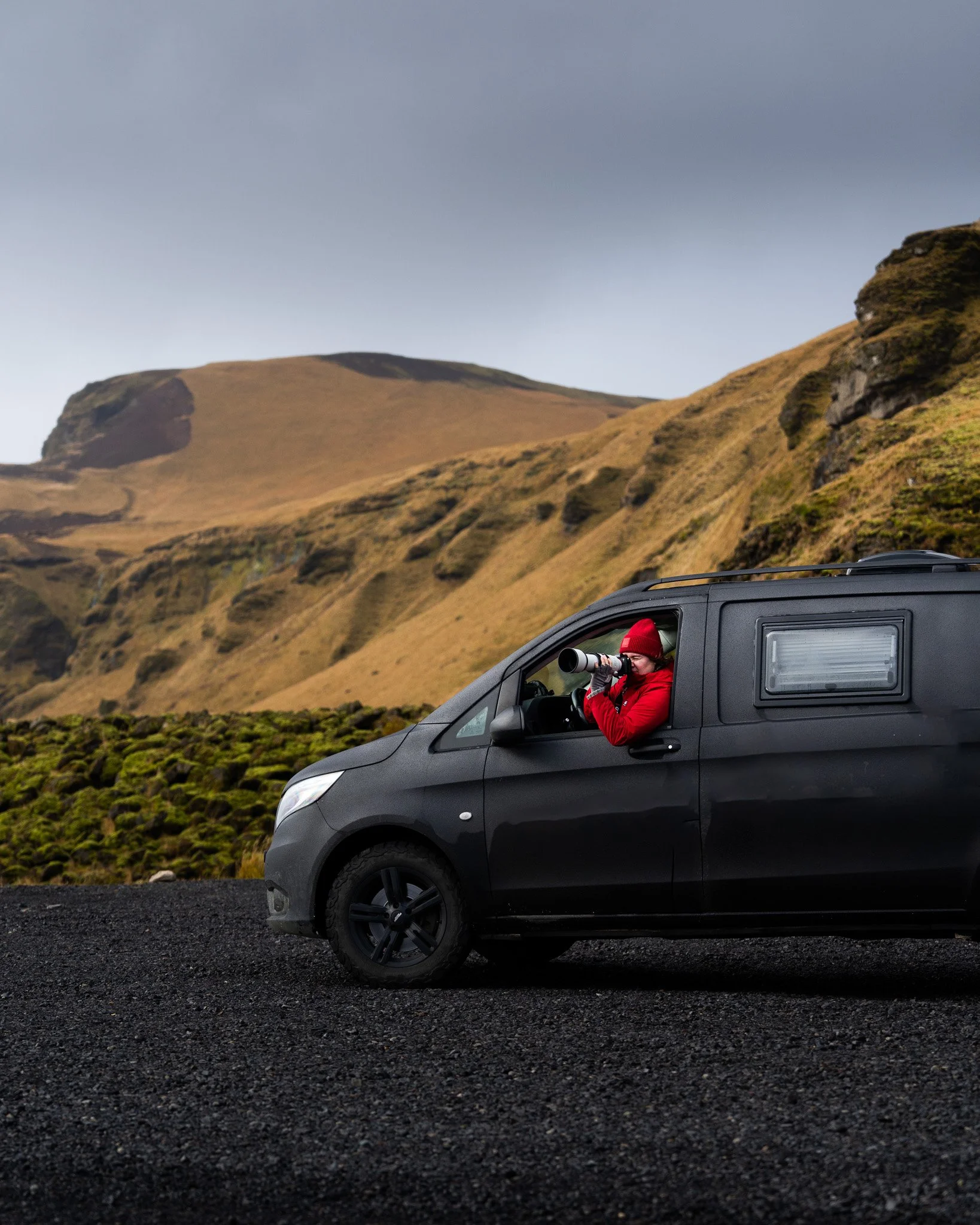
5. Bigger Wheels, Better Clearance – Does Size Matter?
Yes! Especially in the Highlands.
When choosing a 4x4 for difficult terrain, ground clearance and tyre specifications are very important.
Larger tyres can provide more clearance underneath the vehicle, while suitable off-road tyres offer better traction on loose gravel and rough surfaces.
The vehicle's suspension, weight, drivetrain and tyre construction also matter.
A small SUV with four-wheel drive is not the same as a properly equipped Highland vehicle.
Don't assume that a 4x4 badge means you can drive everywhere.
6. The Ring Road – Easier Than You Think
The Ring Road, Route 1, is approximately 1,300 kilometres long and connects most of Iceland's main regions.
It is generally a very good road, mostly paved, and can be explored with a regular rental car in suitable conditions.
Some of the highlights along the way include:
South Coast: Seljalandsfoss, Skógafoss, Dyrhólaey, Reynisfjara, Skaftafell and Jökulsárlón.
Eastfjords: Small fishing villages, spectacular coastal roads and dramatic mountains.
North Iceland: Goðafoss, Dettifoss, Lake Mývatn, Hverir and Dimmuborgir.
West Iceland: Snæfellsnes Peninsula, Kirkjufell, lava fields and beautiful coastal landscapes.
Don't underestimate the distances, though. You will want to stop constantly!
One important thing: the Ring Road might be in excellent condition, but the moment you turn onto smaller roads, conditions can change.
You may encounter gravel, potholes, narrow bridges and rough surfaces.
Always reduce your speed when moving from asphalt to gravel. Loose stones can cause your tyres to lose grip, and sharp braking or steering can make the vehicle slide.
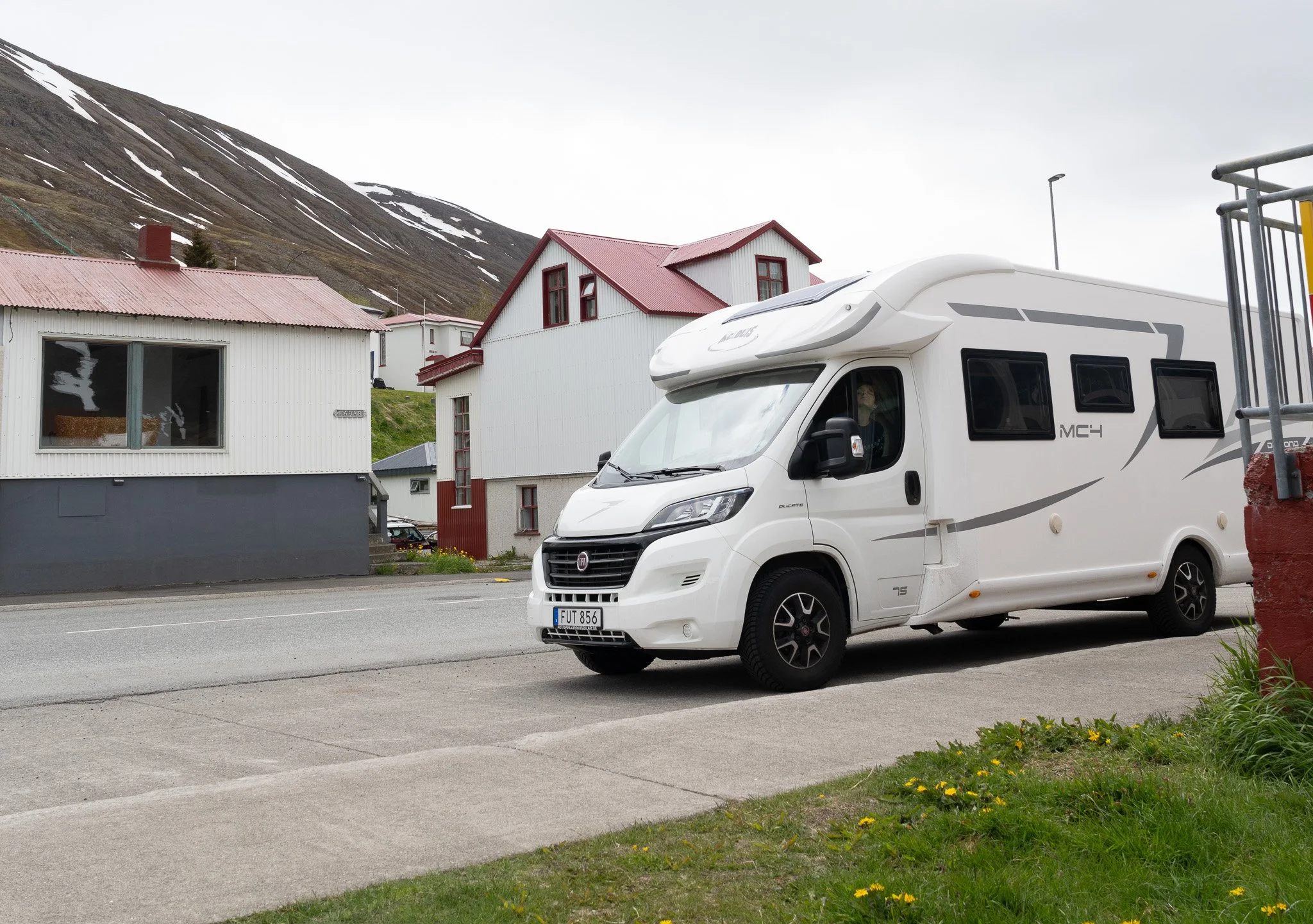
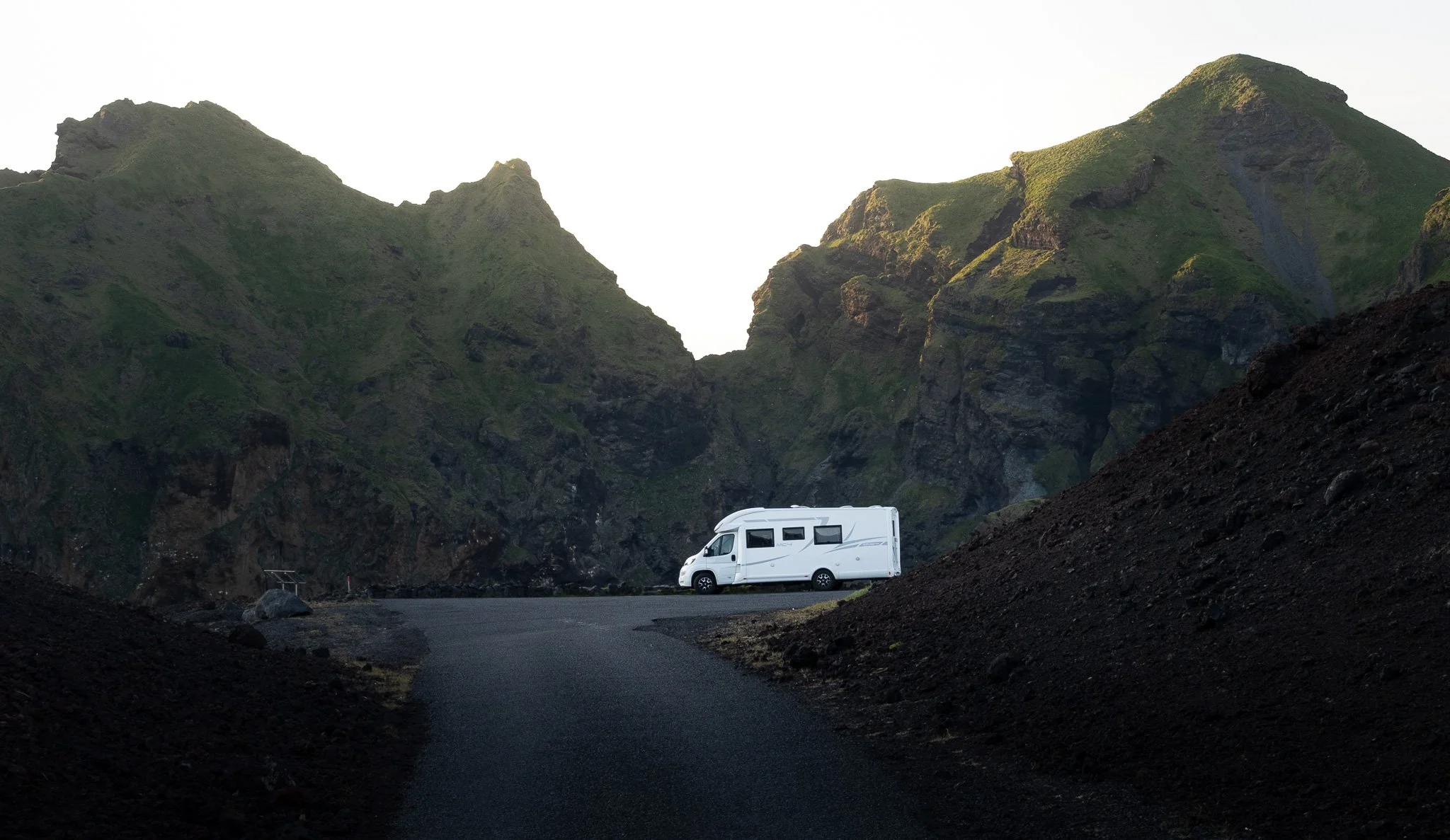
I personally LOVED to drive Ring Road in the bigger camper.We spent whole month in a proper 8 meters motorhome with our family. It was so cozy to sit in when the weatehr was horrible. Few times it was tricky to drive because of the wind, we had to return to the campsite and hide from the wind there. But generally it was amazing experience. Tho you have to remember that you can’t drive anywhere long away from the paved roads.
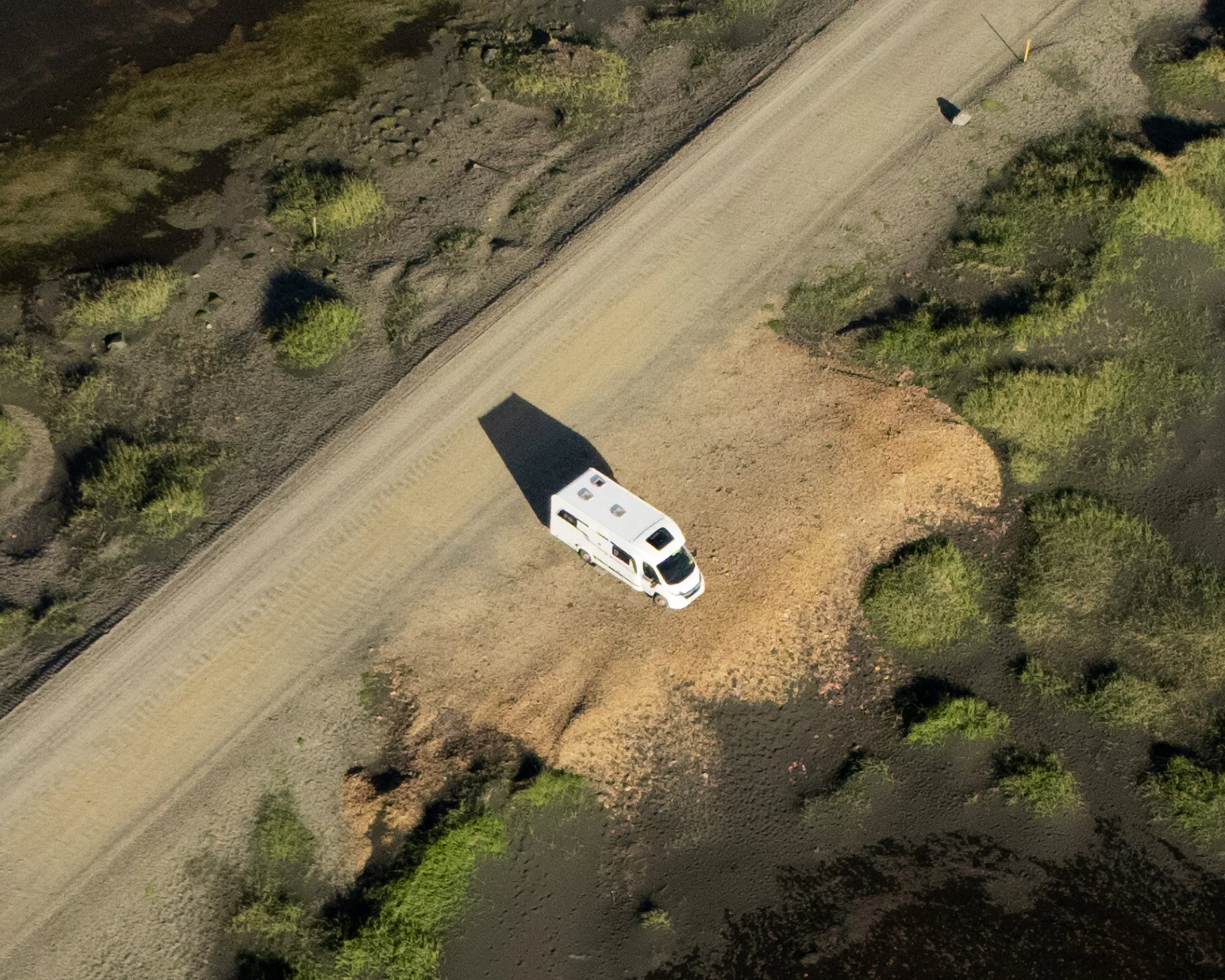
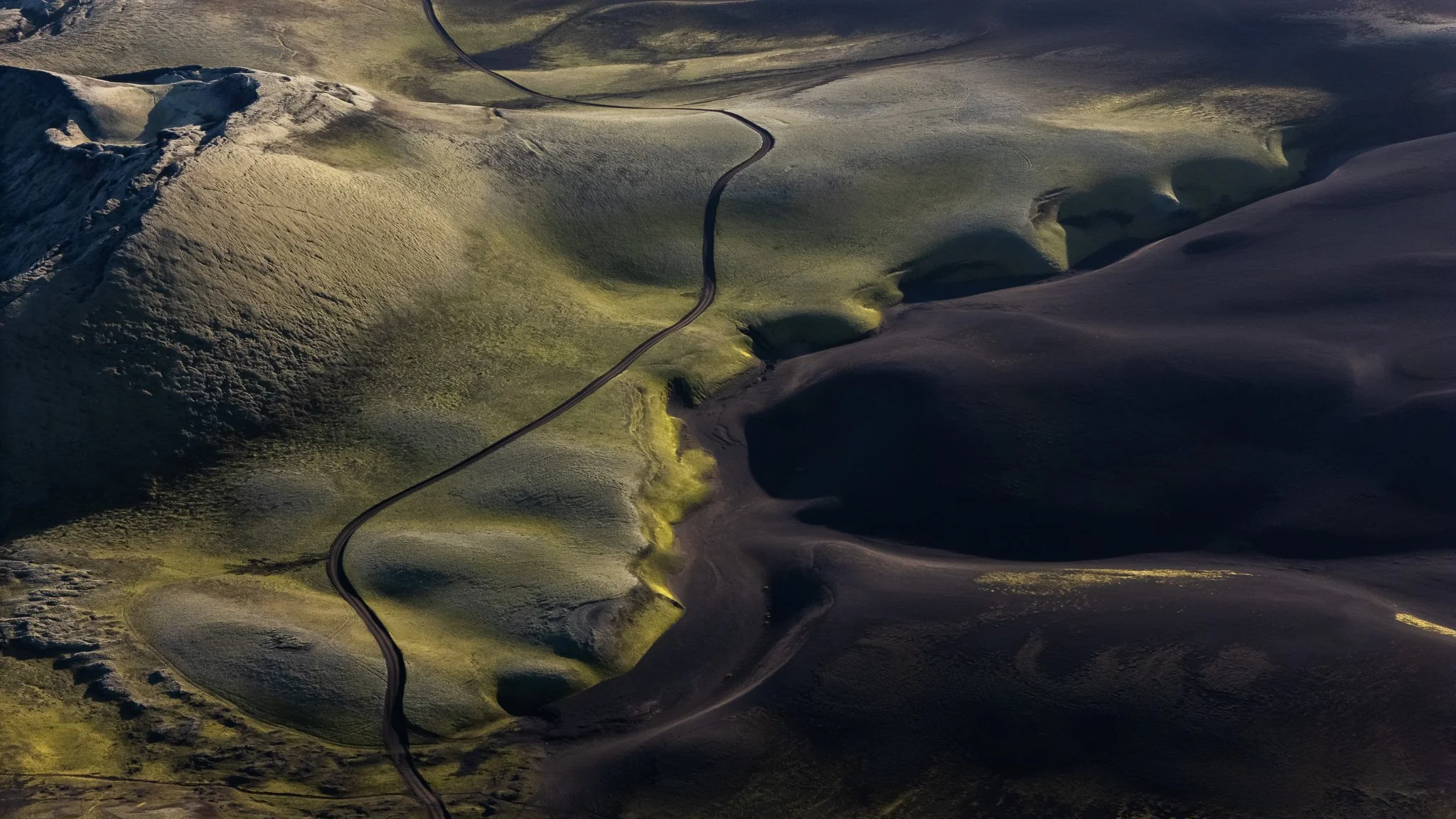
Road in Laki
7. Winter in Iceland – Beautiful, But Be Prepared!
Winter driving in Iceland is a completely different experience.
Snow-covered mountains, frozen waterfalls and northern lights make it an incredible time to visit, but the weather can change very quickly.
My most important advice is simple: drive slowly and carefully.
Reduce speed well before corners.
Avoid sudden braking and steering movements.
Keep a generous distance from other vehicles.
Use appropriate winter tyres.
Be especially careful on bridges and mountain passes.
Never drive faster than the conditions allow.
And remember: a 4x4 does not make you immune to ice. It helps with traction when accelerating, but it does not make you stop faster on slippery roads.
What does “blowing snow” mean when you are checking Icelandic road map?
This is something you really need to understand.
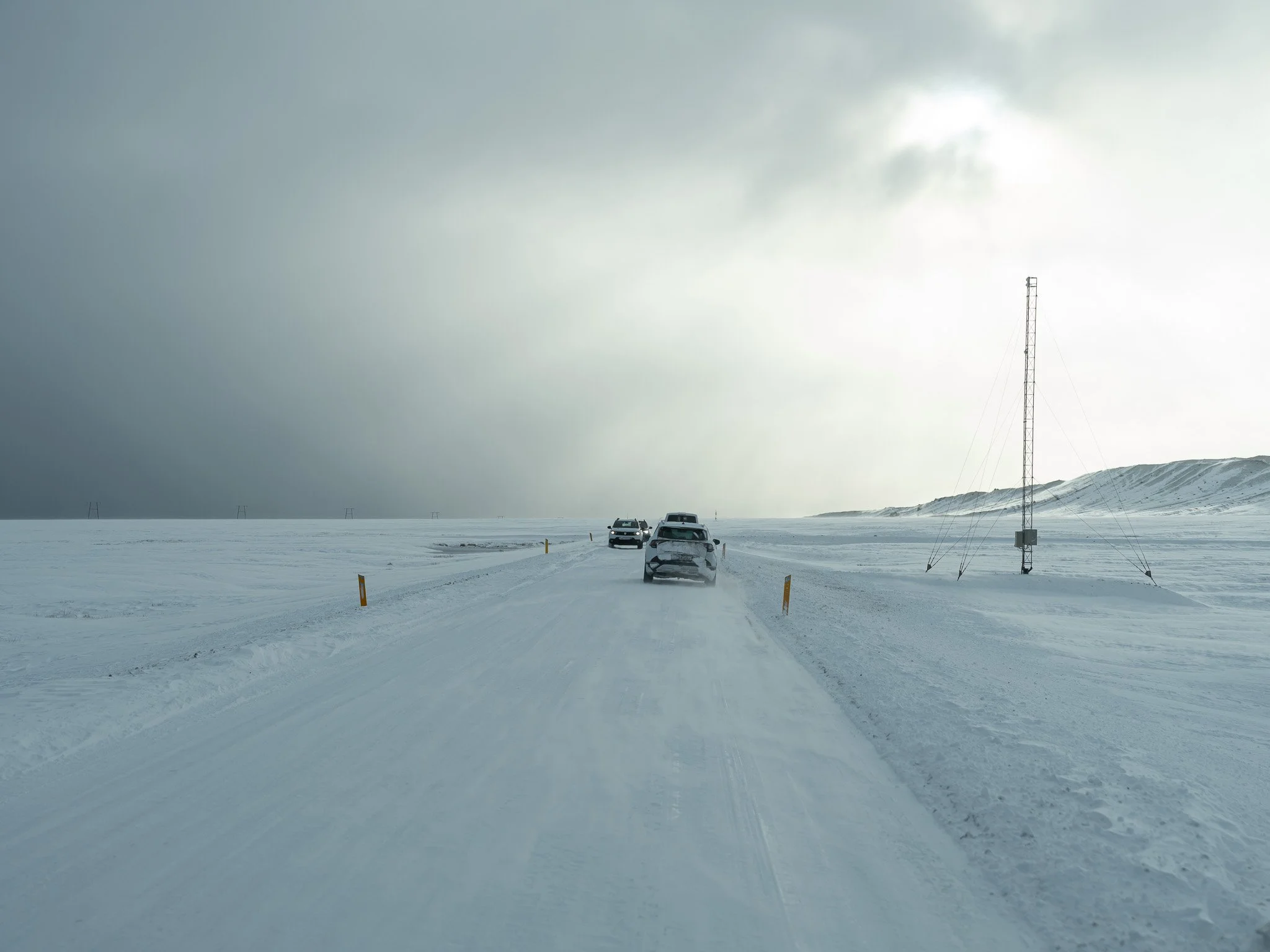
Blowing snow means that strong winds lift snow from the ground and blow it across the road and landscape.
In severe conditions, visibility can become almost zero. You might practically see nothing even one metre in front of your car.
You cannot distinguish the road from the surrounding snow-covered landscape.
If this happens, don't try to continue simply because your destination is close. Find a safe place to stop away from traffic and exposed danger, and wait for conditions to improve.
And then there is the wind!
Strong Icelandic winds can push a vehicle sideways, especially on exposed roads. Large motorhomes and campervans are particularly sensitive.
If the wind is too strong specially when there are icy conditions-, don't drive.
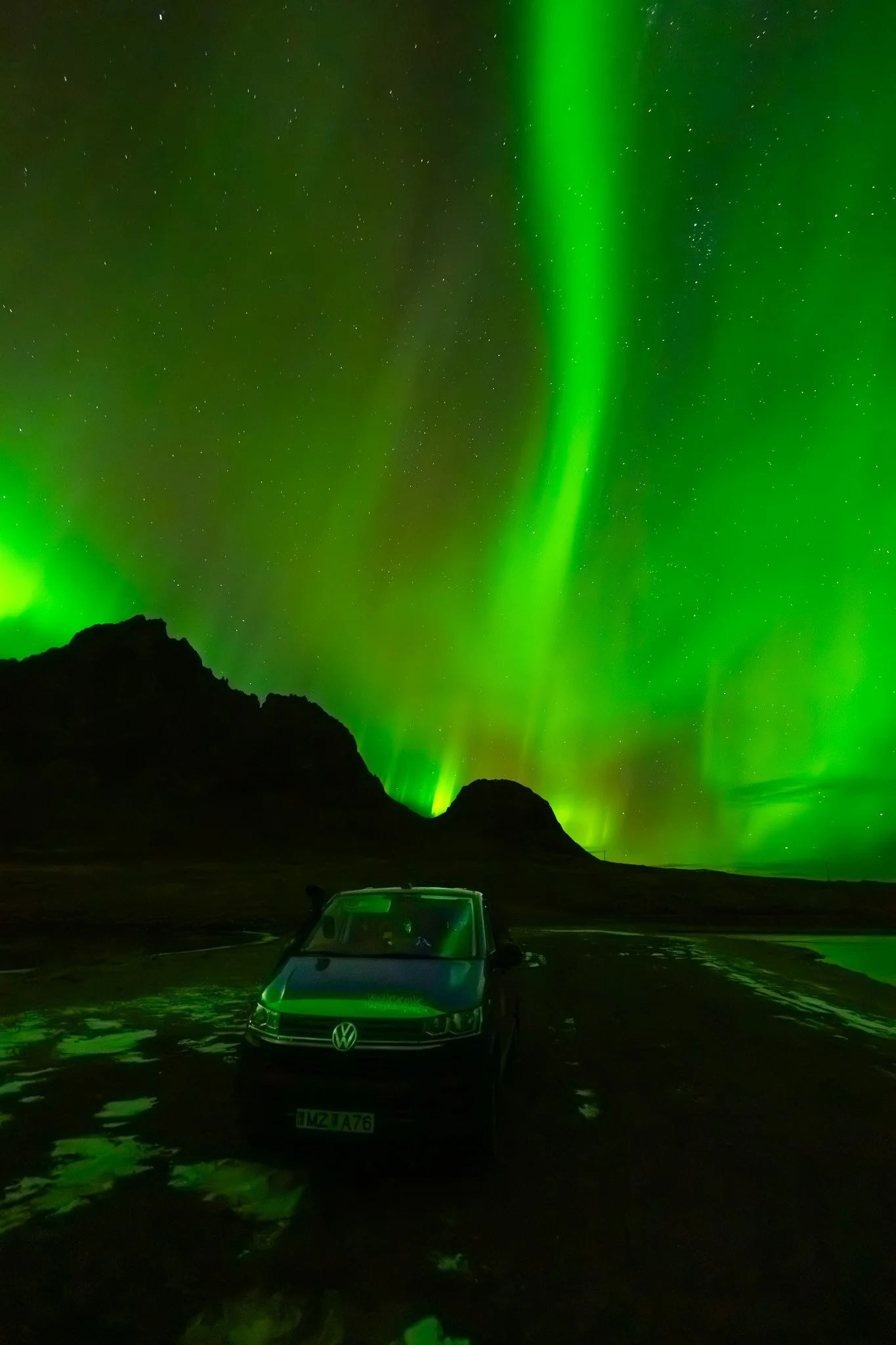
Always check the forecast before setting off, and never underestimate an Icelandic weather warning. But than there are some rewards like - you can photograph Northern Lights and drink a warm tea in your camper waiting! My favourite thing to do like ever!
8. Summer Driving – The Midnight Sun and Endless Adventures
Summer is the easiest season for exploring most of Iceland.
The days are incredibly long, and around the summer solstice in June, the sun barely sets.
For photographers, this is fantastic. You can visit a waterfall at 11 PM, photograph mountains at midnight and enjoy beautiful golden light when everyone else is sleeping.
The Highlands also become accessible as the F-roads gradually open, depending on weather and snow conditions.
However, remember that summer doesn't mean warm weather. You can experience rain, cold temperatures and strong winds even in July. When we arrived on the ferry in June 2024 in our bigger camper with the summer tires on - we literally could not go anywhere for 3 days because of the snowstorm :)
That is another reason why I always recommend a camper with proper heating.
And don't forget your eye mask!
10. Learn to Read the Map – Before You Drive
One of the most useful things you can do before travelling around Iceland is learn to read the official road map.
These are the websites I use and recommend:
A few things to understand:
Route 1: The Ring Road.
F-roads: Highland mountain roads requiring an appropriate 4x4.
Gravel roads: Not all require a 4x4, but drive carefully.
Closed roads: Never drive on a closed road.
Blowing snow and blizzard warnings: Visibility can become extremely dangerous.
Slippery roads: Reduce speed and avoid sudden movements.
Don't rely on Google Maps. It is useful for navigation, but it doesn't replace checking official road conditions. And it can lead you to the roads you should never attempt with for ex 2 wheel drive.
Download offline maps before entering remote areas, as mobile coverage can be limited in the Highlands. I also suggest - bring your own Starlink for longer highlands trips. There is simply no internet in many of places.
11. My Essential Iceland Driving Checklist
This one is important Before setting off on your Iceland adventure, make sure you have:
The right car for your planned route.
A proper 4x4 if you intend to explore suitable Highland F-roads.
Comprehensive rental insurance with carefully checked exclusions.
Appropriate tyres for the season.
A heating system in your camper, even in summer.
An eye mask and blackout curtains for midnight sun camping.
Warm clothes, food and water.
A charged phone and power bank.
Offline maps.
A daily check of weather and road conditions.
Enough time to change your plans.
And one final piece of advice: never plan your Iceland trip so tightly that you cannot change your itinerary.
Sometimes the weather decides where you go. Sometimes you need to wait another day for a road to open. And sometimes the best decision is simply to turn around.
Iceland is an incredible country, but it deserves respect.
Take your time, choose the right vehicle, stay flexible and enjoy the journey.
Because in Iceland, the road itself is often just as spectacular as the destination!
A few practical things before you go
Getting there: The main route to Langisjór is F235, which branches off F208 (Fjallabaksleið Nyrðri) and runs about 23 km towards the lake. F235 is 4x4 only and has several unbridged river crossings. From the south, F208 also has several smaller crossings, plus the more significant Strangakvísl crossing near Eldgjá.
I would definitely use a proper 4x4 with good ground clearance. And don't judge the road by what you see on Google Maps — the Highlands can change very quickly.
The fishermen's roads are another story. There are little tracks around Langisjór that look incredibly tempting, especially when you are looking for drone locations. But ask the ranger before driving them. Glacial water can carve enormous holes and deep gullies into the tracks, and some sections can become passable only with specially equipped Highland vehicles. The ranger will know what is actually possible that day. The National Park specifically recommends checking current road conditions before setting off.
Camping: There is a tiny, very basic campsite right at the south end of Langisjór, practically beside the ranger facilities and parking area. There is a toilet and running water nearby, but that's about it. No luxury, no fancy campsite — just you, your camper and one of the most spectacular views you could possibly wake up to. The National Park describes it as a campsite with minimal service.
And honestly, I wouldn't want it any other way.
This is the Highlands. You come here for the landscape, the silence and the feeling that you are properly in the middle of nowhere.
My biggest tip: don't rush Langisjór
This is not a place I would squeeze into a two-hour itinerary.
The road itself deserves time.
The little lakes deserve time.
The light changes constantly.
And the whole point of coming this far into the Highlands is to experience that feeling of being somewhere incredibly remote.
For me, Langisjór is not really about ticking off another Iceland location.
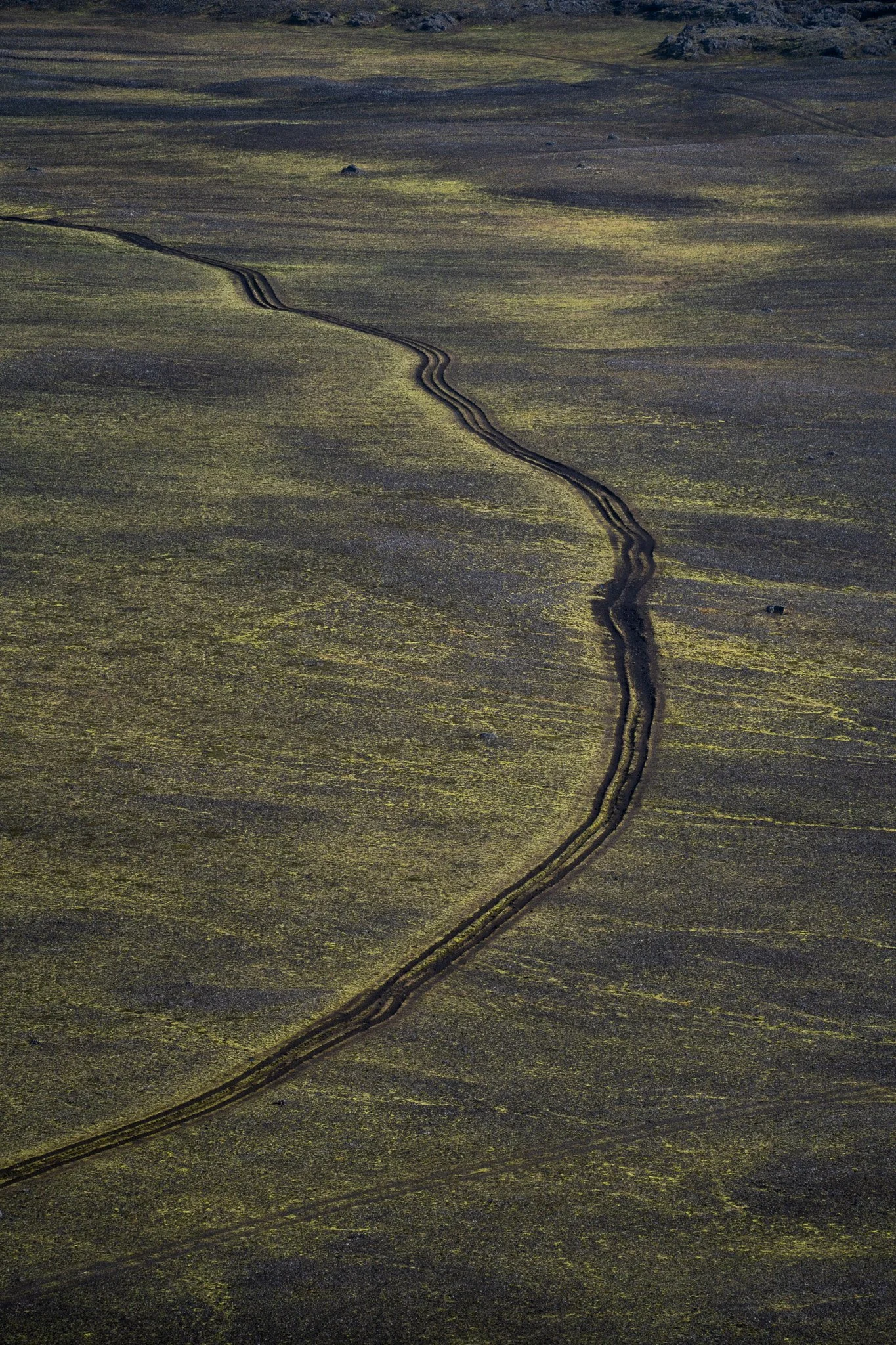
It is about the drive there, getting out of the car in the middle of nowhere, launching the drone and suddenly seeing hundreds of little details in the landscape that weren't visible from the ground.
It is about sitting beside the lake in the evening with almost nobody around.
And it is about that wonderful Icelandic feeling of thinking:
“How can a place like this actually exist?”
And then, of course, you have to drive all those rivers back again. 😄
All photographs are by Julia Mustonen-Dahlkvist, Lensroamers. No manipulation with AI, just real nature. All photographs are done with permission of Icelandic Environmental Agency. Many pictures include 12 or more pics Drone Panoramas
