
Eldgjá, Iceland – Exploring the Incredible Fire Canyon and Ófærufoss Waterfall
There are so many incredible places to discover in the Icelandic Highlands, and Eldgjá is definitely one of those places that deserves more attention.
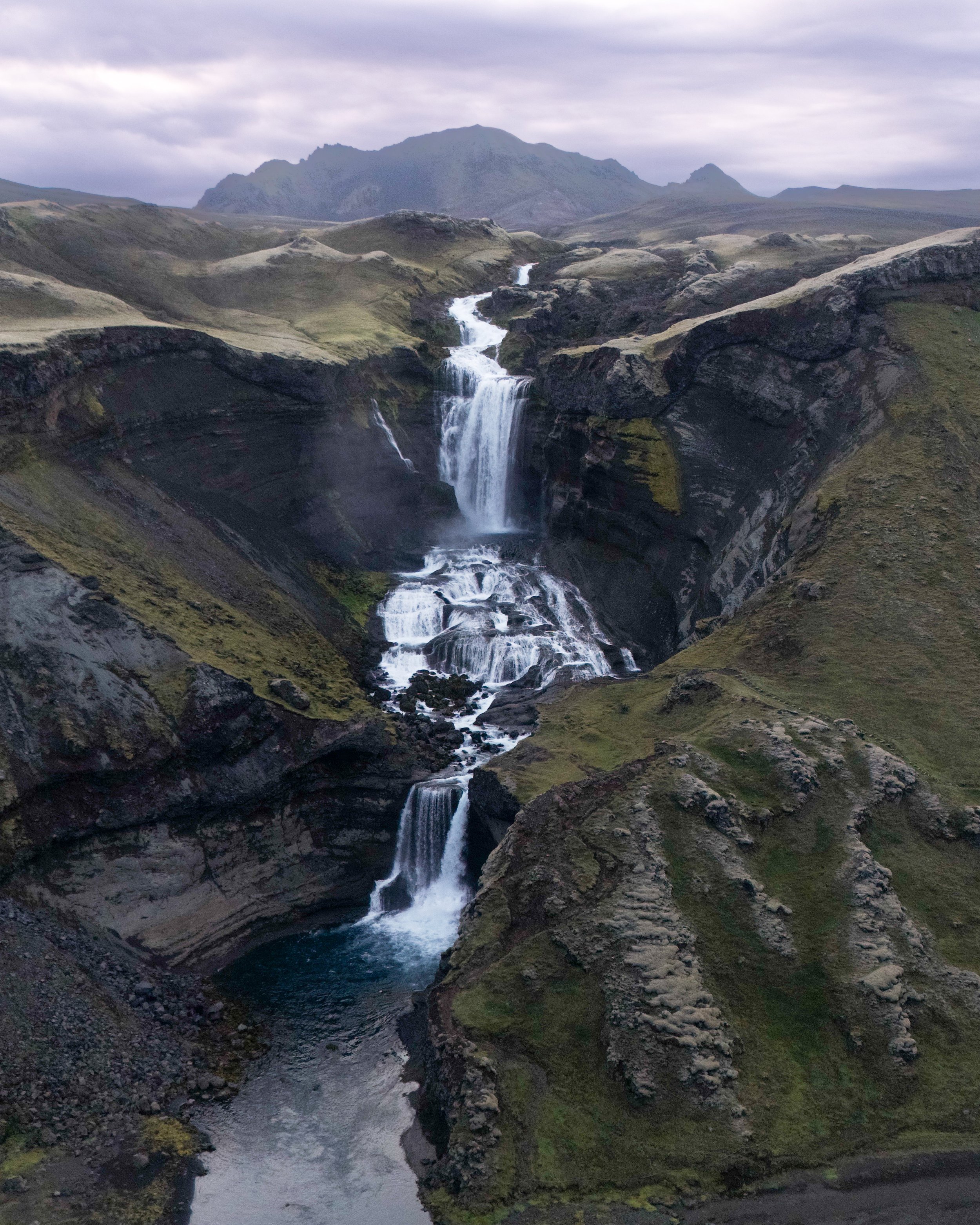
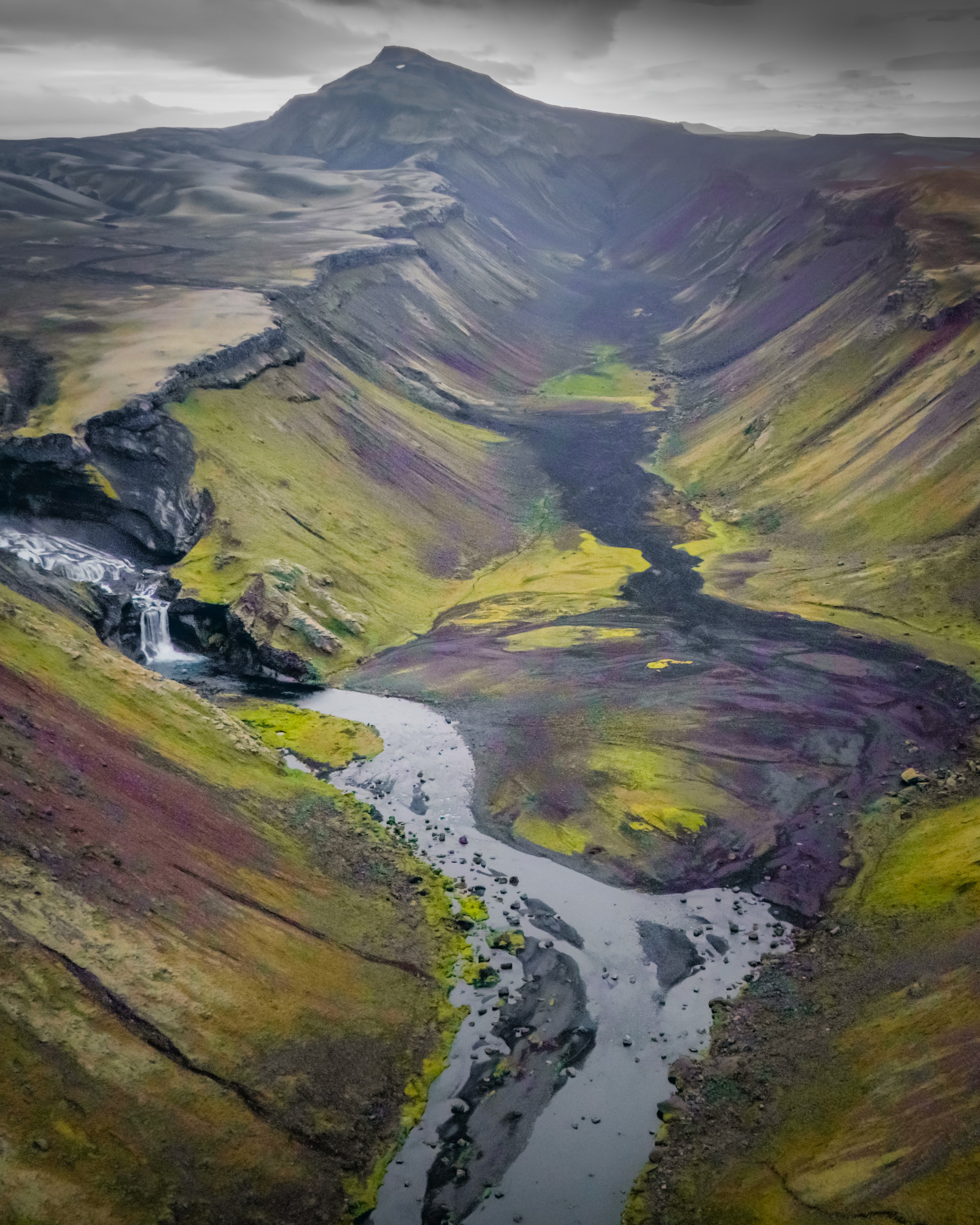
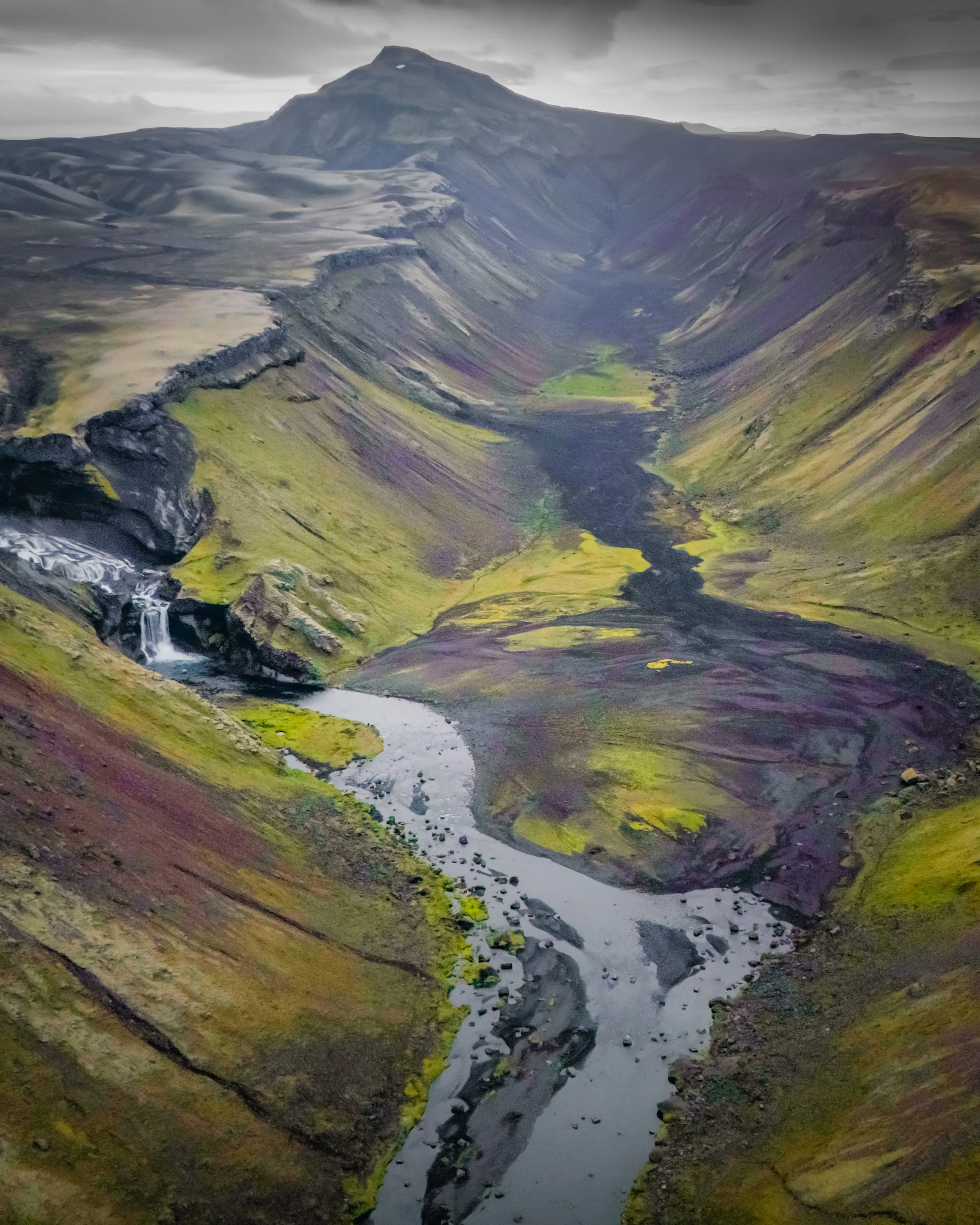
Located in the southern Highlands, far away from the busy Ring Road, Eldgjá is a huge volcanic canyon with dramatic cliffs, beautiful green landscapes, rivers and one of the most beautiful waterfalls in this part of Iceland.
We love exploring places like this, where you really get the feeling of being somewhere special. And Eldgjá is exactly that kind of place.
The journey itself is an experience, and once you arrive, there is so much to explore. You can walk along the bottom of the enormous canyon, visit the beautiful Ófærufoss waterfall, hike up towards the mountains or simply spend some time photographing this incredible landscape.
In this guide, we share everything you need to know before visiting Eldgjá, including how to get there, road conditions, hiking possibilities, photography opportunities and what facilities you can expect.
How to get to Eldgjá – Do you need a 4x4?
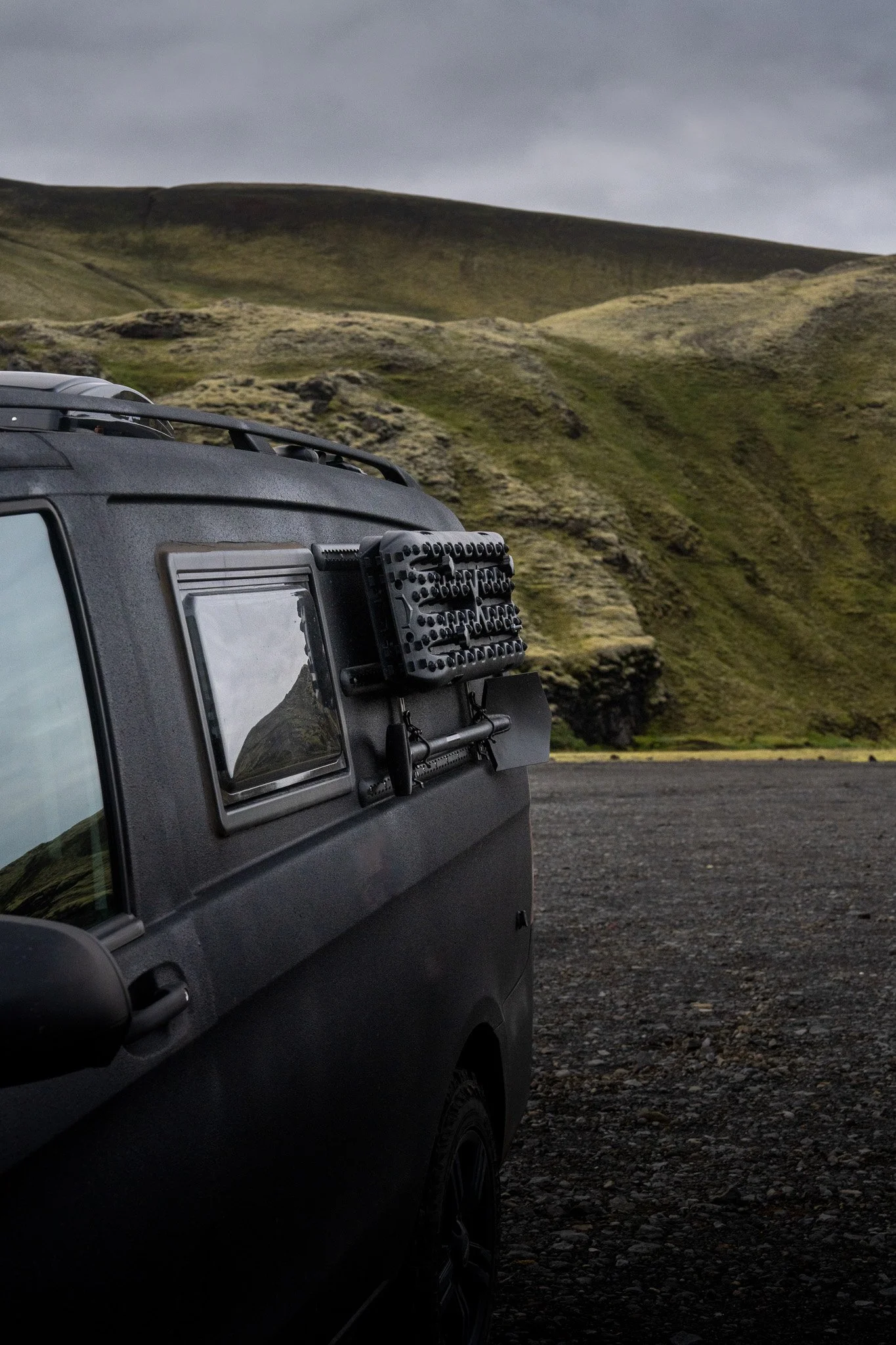
Yes! You definitely need a 4x4 to visit Eldgjá.
The canyon is located deep in the Highlands and is reached via Fjallabaksleið Nyrðri, road F208.
The most practical approach from the south is from the Kirkjubæjarklaustur area, following the roads towards Skaftártunga and then continuing on the mountain road towards Eldgjá. Its a perfect stop on the way from the south of the F208 to Landmannalaugar. But, you need to remember- this is a very tricky road! Many rentals do not advice driving this road to Landmannalaugar. But suggest taking easier F225 (easier river crossing)or F208 fron the north (no river crossings there)
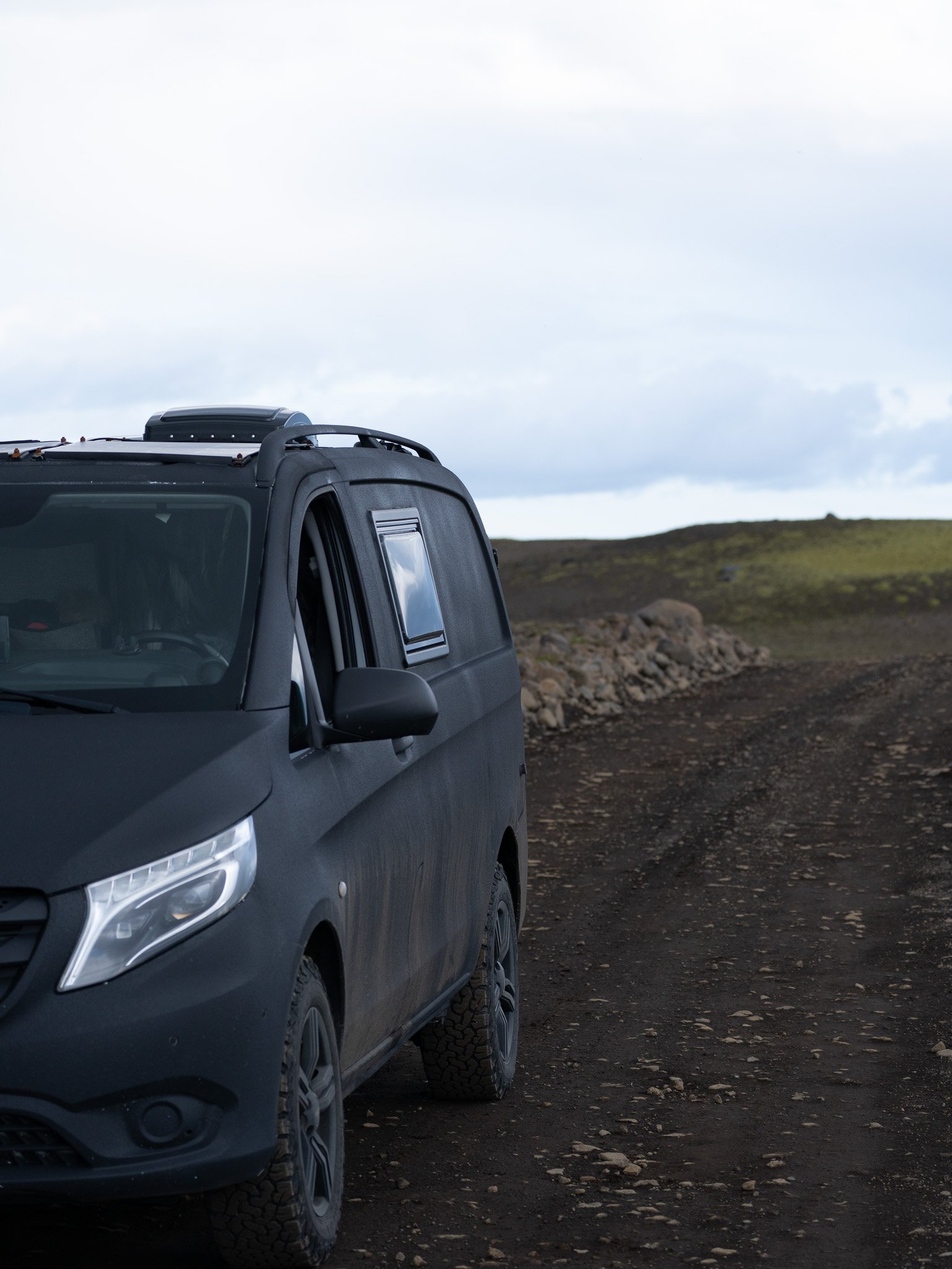
The road is not paved, and conditions can be quite different depending on the weather and the time of the season.
You should be prepared for:
Rough gravel roads.
Rocky and uneven sections.
Potholes.
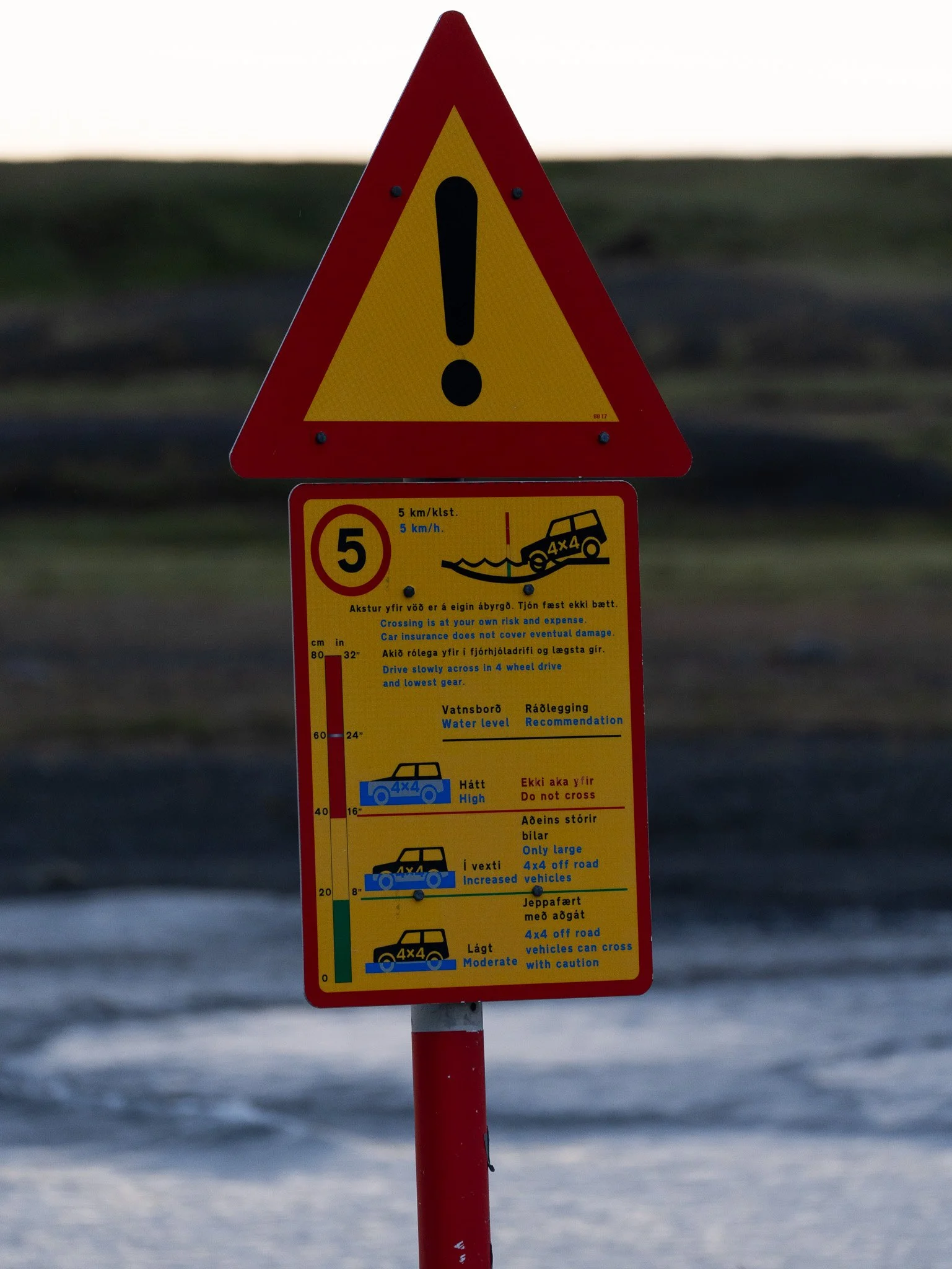
River crossings.
Changing road conditions.
There is an difficult unbridged river crossing at Ströngukvísl on the access road. This is something you need to take seriously. I would cross it only when ranger is on the spot.
Water levels and ground condition of the river can change very quickly, especially after rainfall or during periods of snowmelt. Never attempt to cross a river if you are unsure about the depth or current.
The F-roads are seasonal, and the opening dates depend on the weather and road conditions. They are generally accessible during summer, but you should never assume that a road is open just because it was open the previous year.
Before leaving, check:
Road conditions: https://umferdin.is/en
SafeTravel Iceland: https://safetravel.is/
Vatnajökull National Park: https://www.vatnajokulsthjodgardur.is/en/areas/eldgja-langasjor
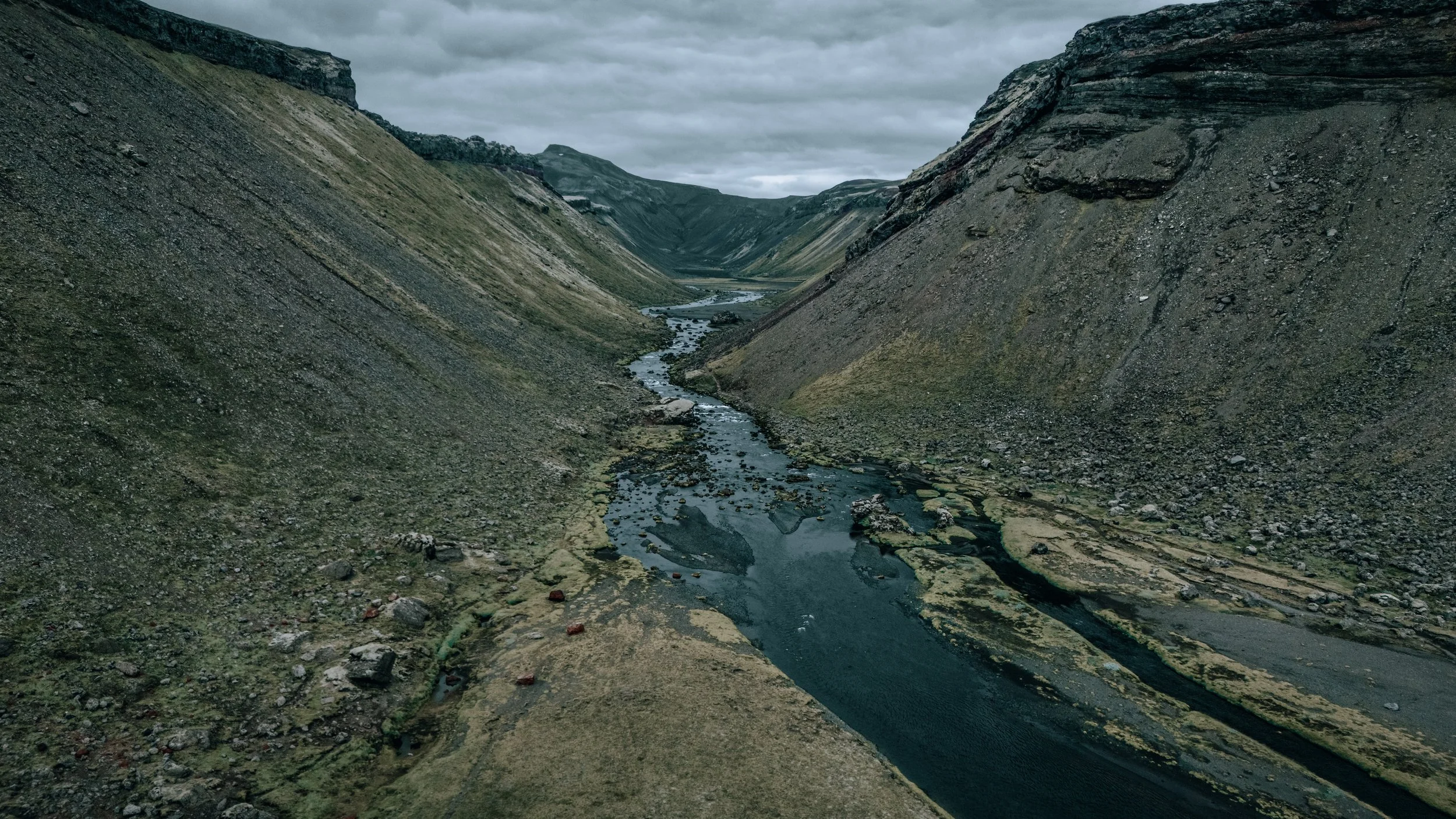
What is Eldgjá and how was it formed?
Eldgjá was created during an enormous volcanic eruption around AD 939–940, when a long fissure opened in the ground and released huge amounts of lava.
The entire fissure system stretches for approximately 75 kilometres, with the main canyon reaching around 8 kilometres in length, 600 metres in width and 150 metres in depth.
It is quite incredible to think about the forces that created this landscape!
When walking through the canyon, you will notice lots of loose rocks and stones along the steep walls. Iceland's weather plays a big role here. Water enters cracks in the rocks, freezes during winter and expands, slowly breaking the rocks apart. Rain, wind and erosion also contribute to the process, making stones fall down the slopes over time.
There is also an interesting story connected to the waterfall. Ófærufoss once had a beautiful natural stone arch crossing the lower cascade. Unfortunately, it collapsed in 1993 during the spring thaw, when melting water made the river much stronger. If you have seen older photographs of the waterfall, that is why it looks different today.
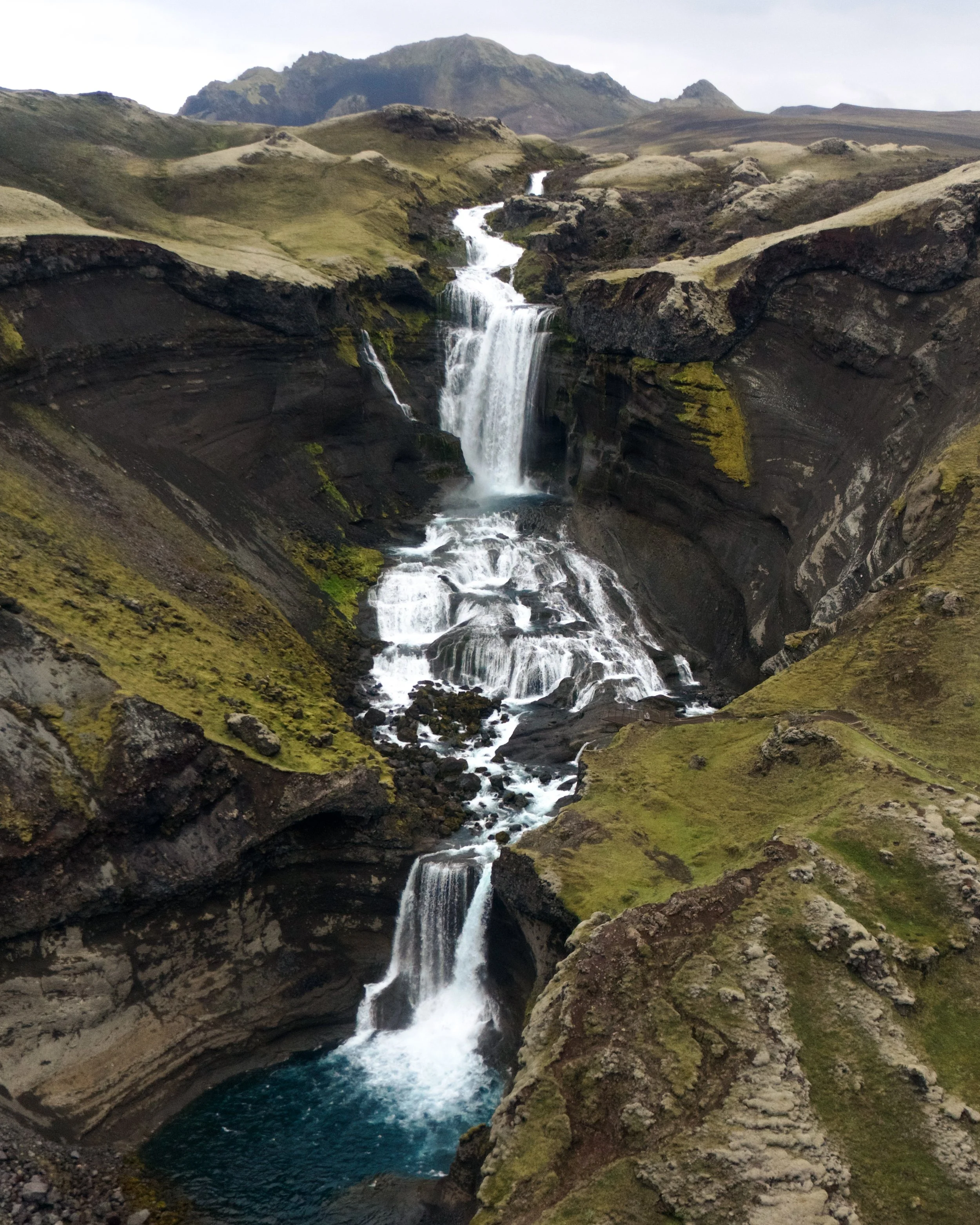
Ófærufoss – The highlight of Eldgjá
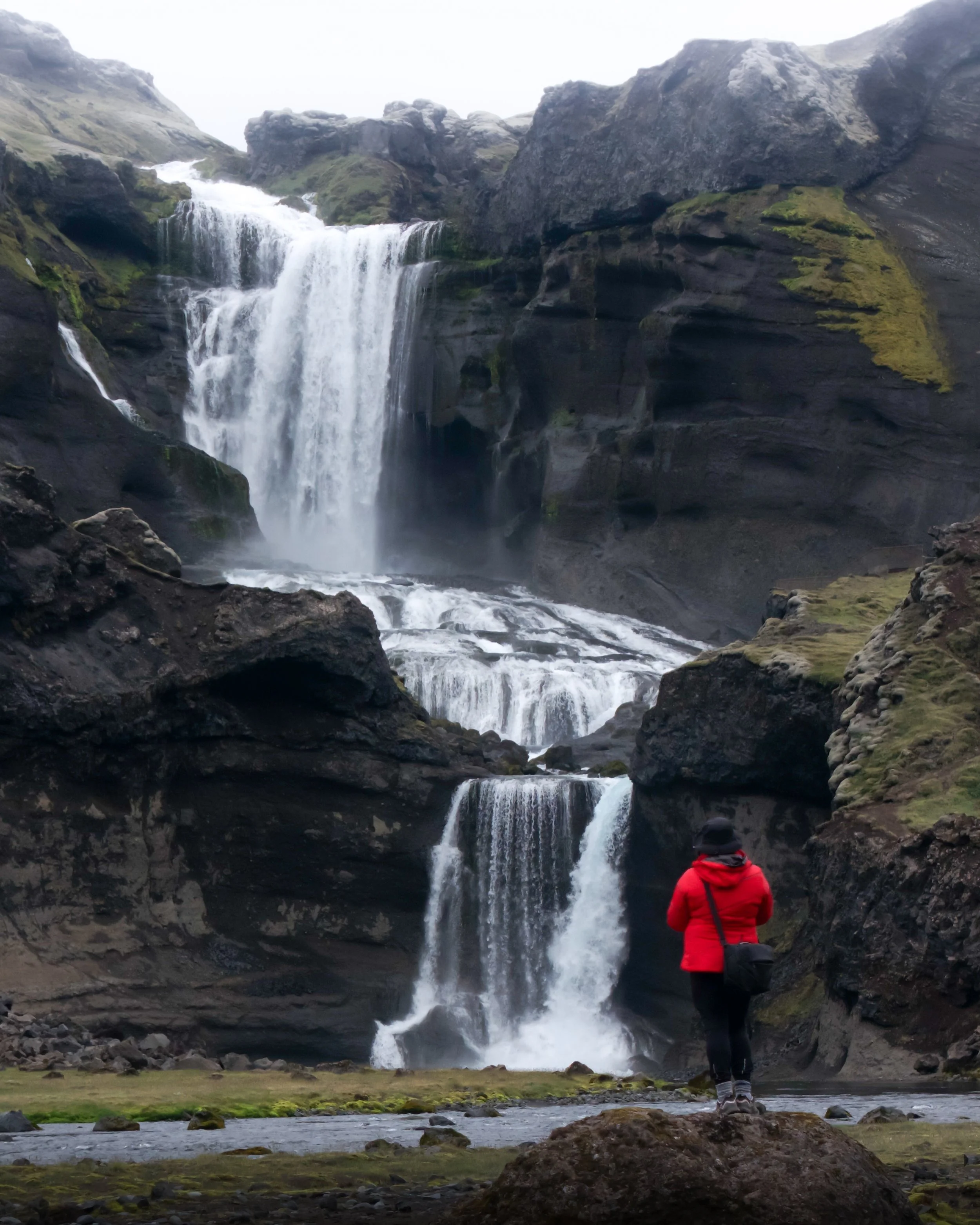
The main attraction here is undoubtedly Ófærufoss. And it is absolutely worth the short hike! Honestly I think its the most beautiful waterfall of iceland. Its definitely my favorite one!
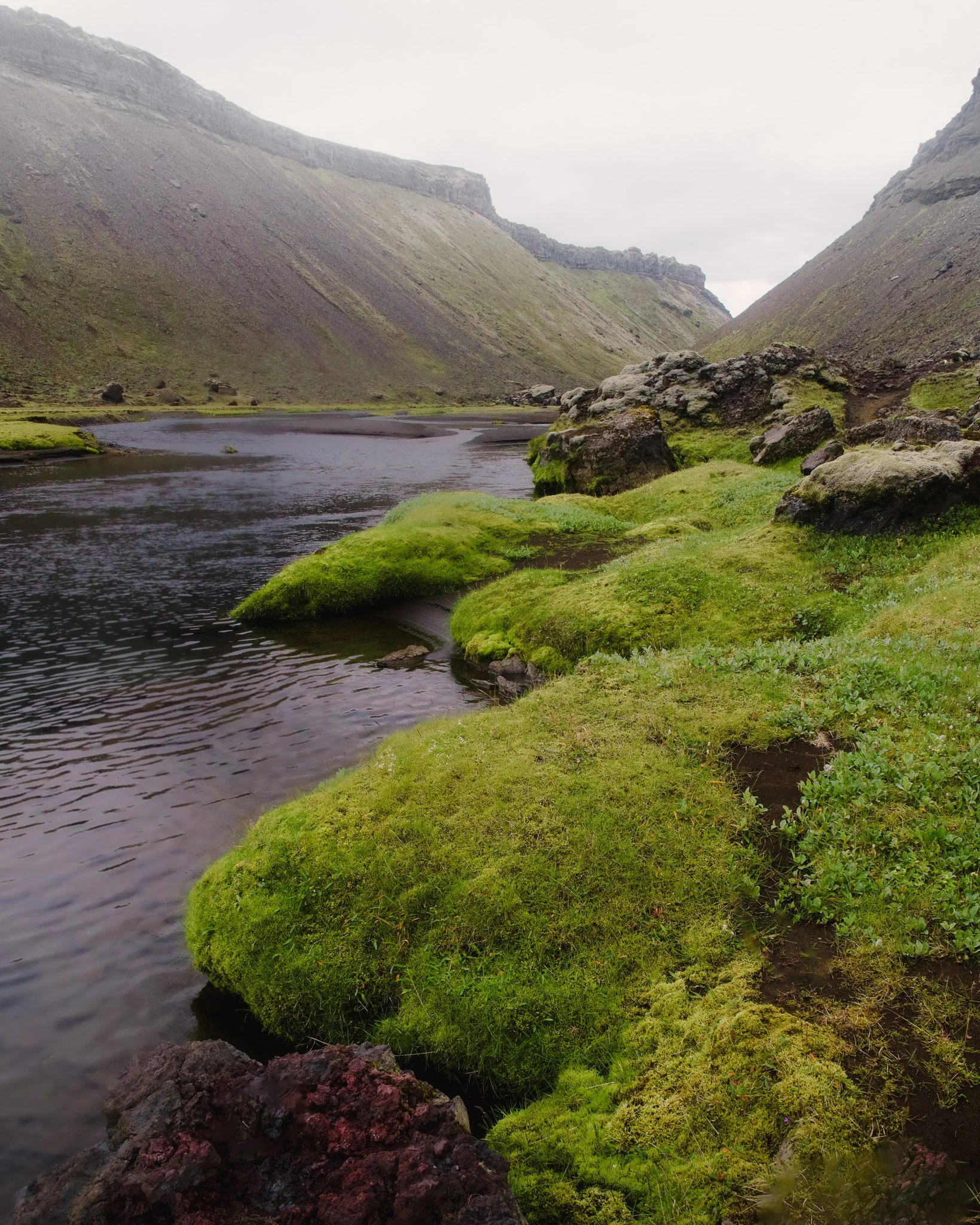
The waterfall is hidden inside the enormous canyon, surrounded by dark volcanic cliffs and beautiful green vegetation. It has two cascades, creating a really beautiful scene.
The contrast between the white water, dark rocks and green landscape makes this a fantastic location for photography.
The walk from the parking area is approximately 2.5 km return and takes around 1–1.5 hours, depending on how often you stop. The path follows the bottom of the canyon, with beautiful views along the way.
Take your time when you reach the waterfall. There are several interesting angles, and it is worth exploring a little rather than just taking one photograph and leaving. View from the drone is absolutely magnificent. Just remember to ask the rangers permission first.
Hiking in Eldgjá
if you want to explore more than just the waterfall, there are some longer hiking possibilities.
Ófærufoss waterfall: The most popular walk, approximately 2.5 km return. Relatively short, but with some uneven terrain. I would recommend - hike to the waterfall down the ground and back - go up the canyon. You will see very clear marking for those hiking roads
Gjátindur: For those who want a bigger adventure, there is a hike to Gjátindur, reaching approximately 943 metres above sea level. Allow around 3–4 hours for the 7 km hike. The views from above are fantastic, giving you a completely different perspective of the enormous canyon.
Remember that Highland weather can change quickly, so bring proper hiking shoes and waterproof clothing.
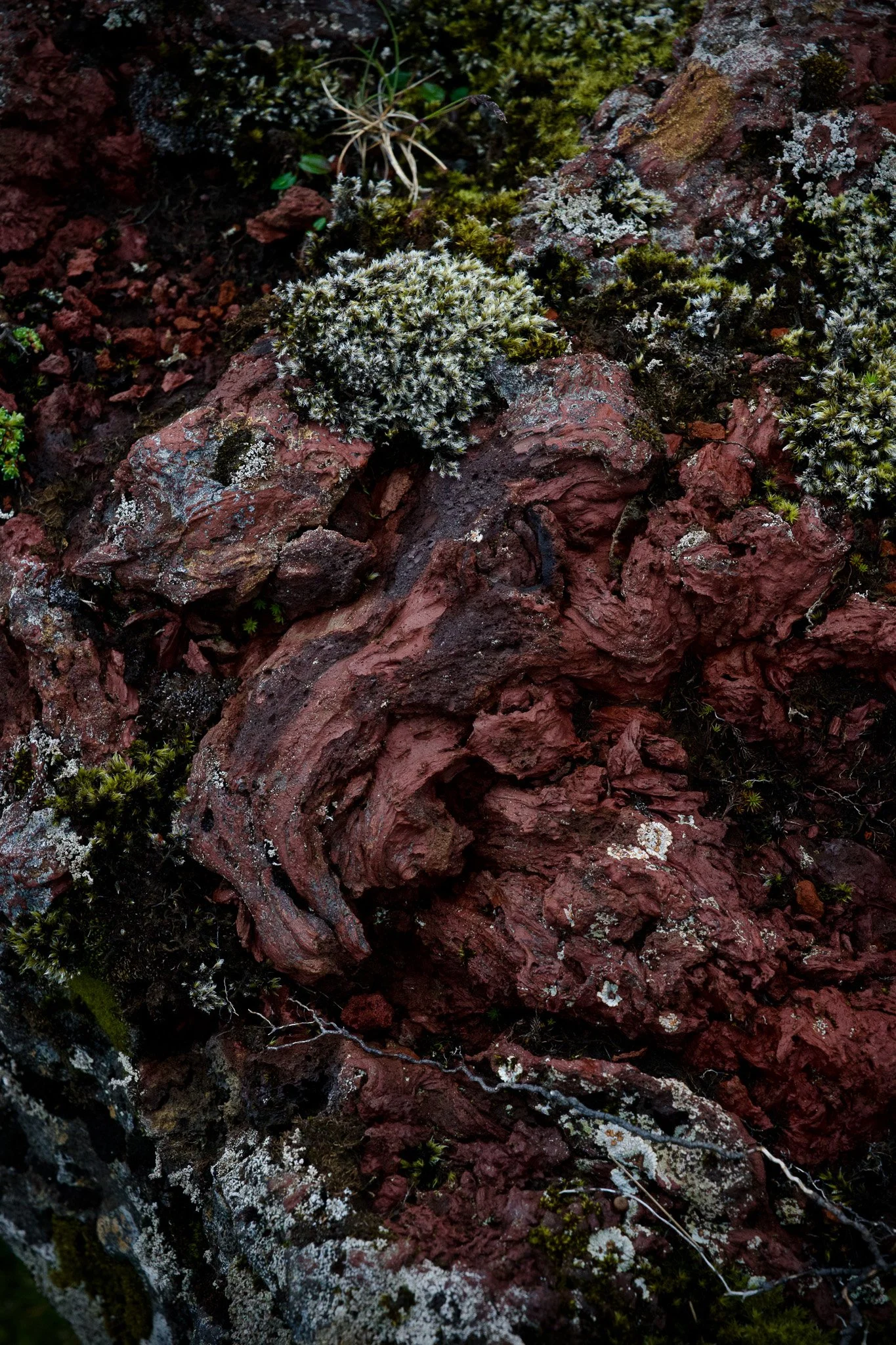
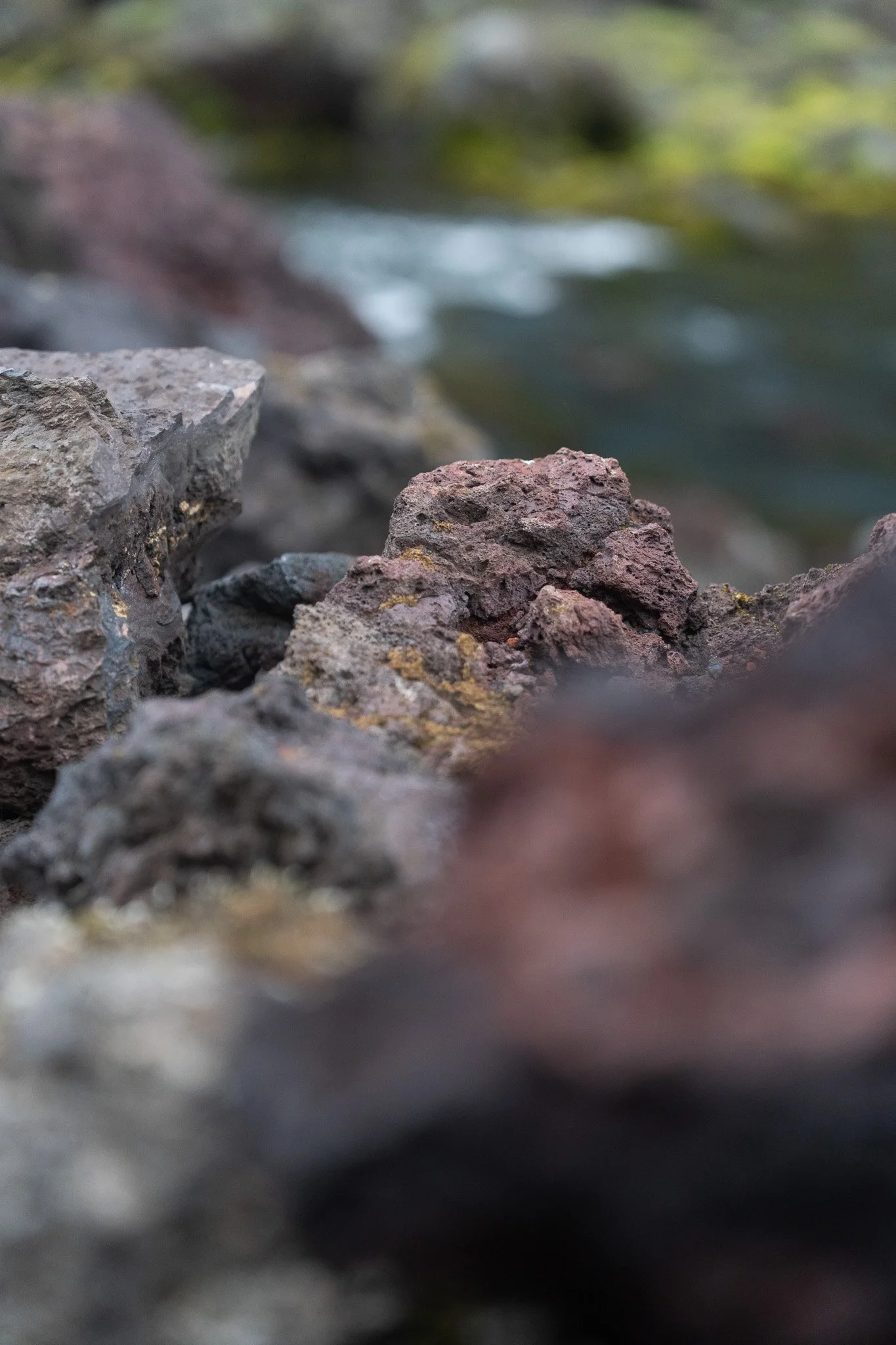
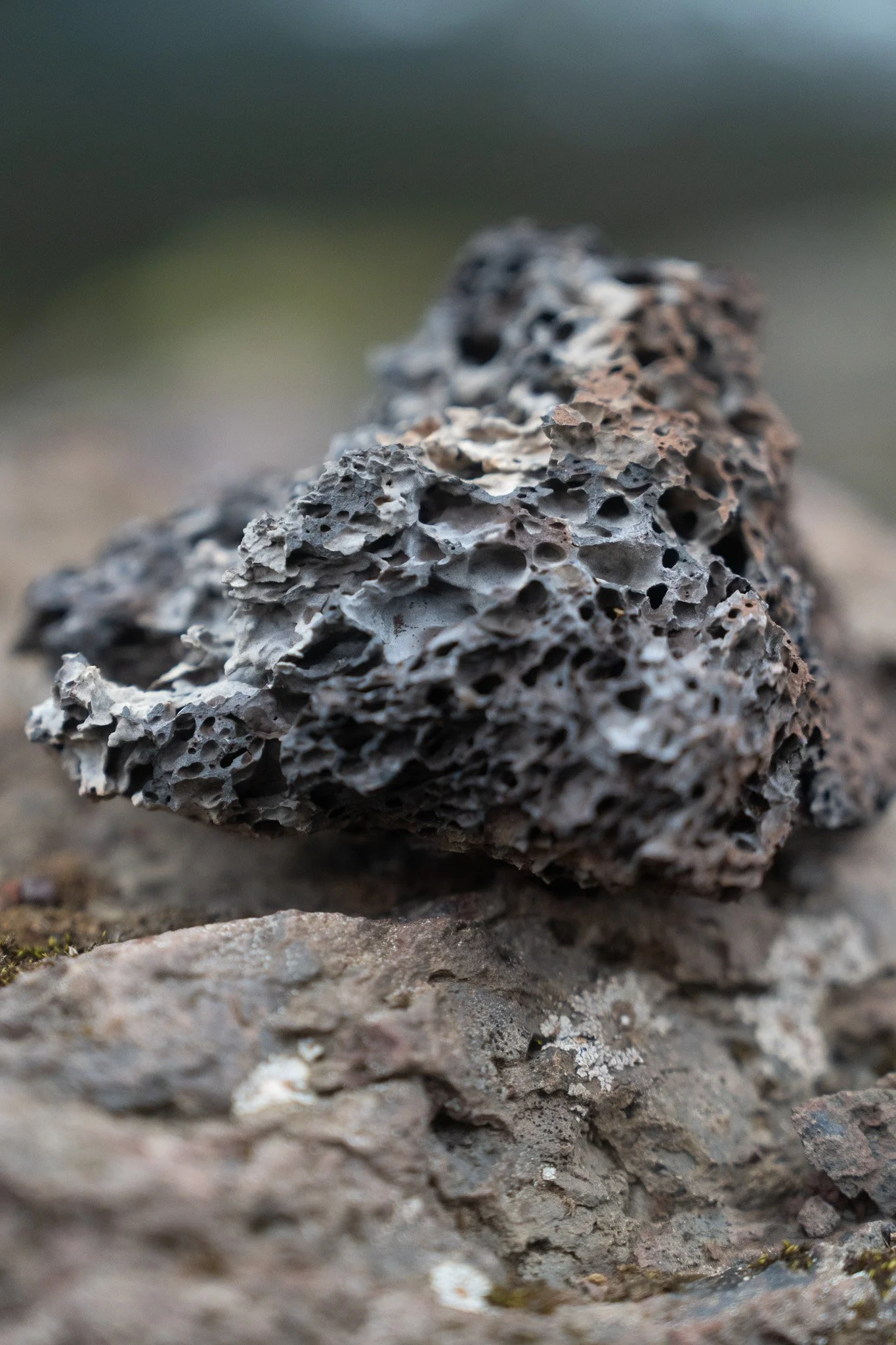
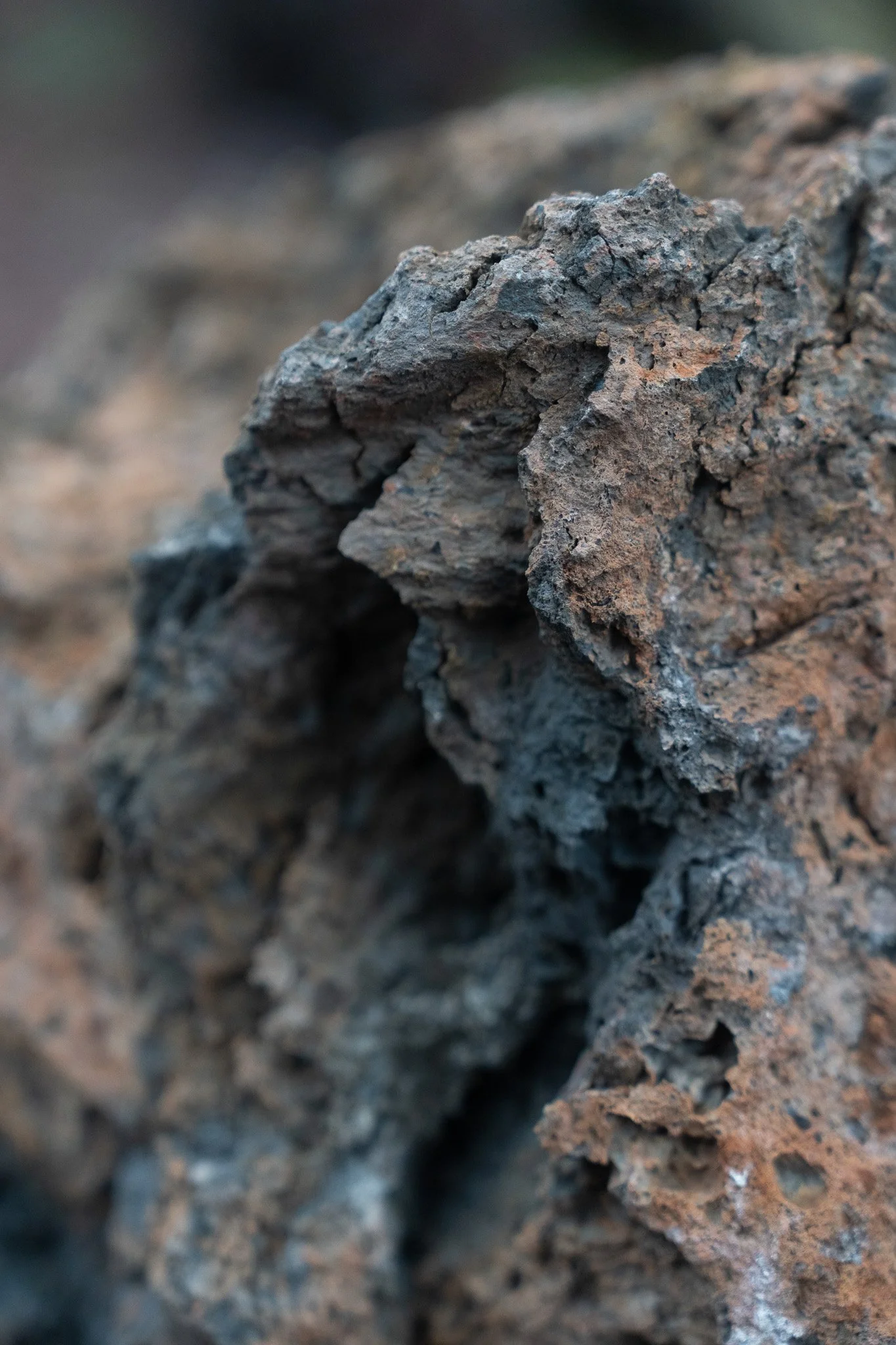
Why are there so many enormous rocks along the trail?
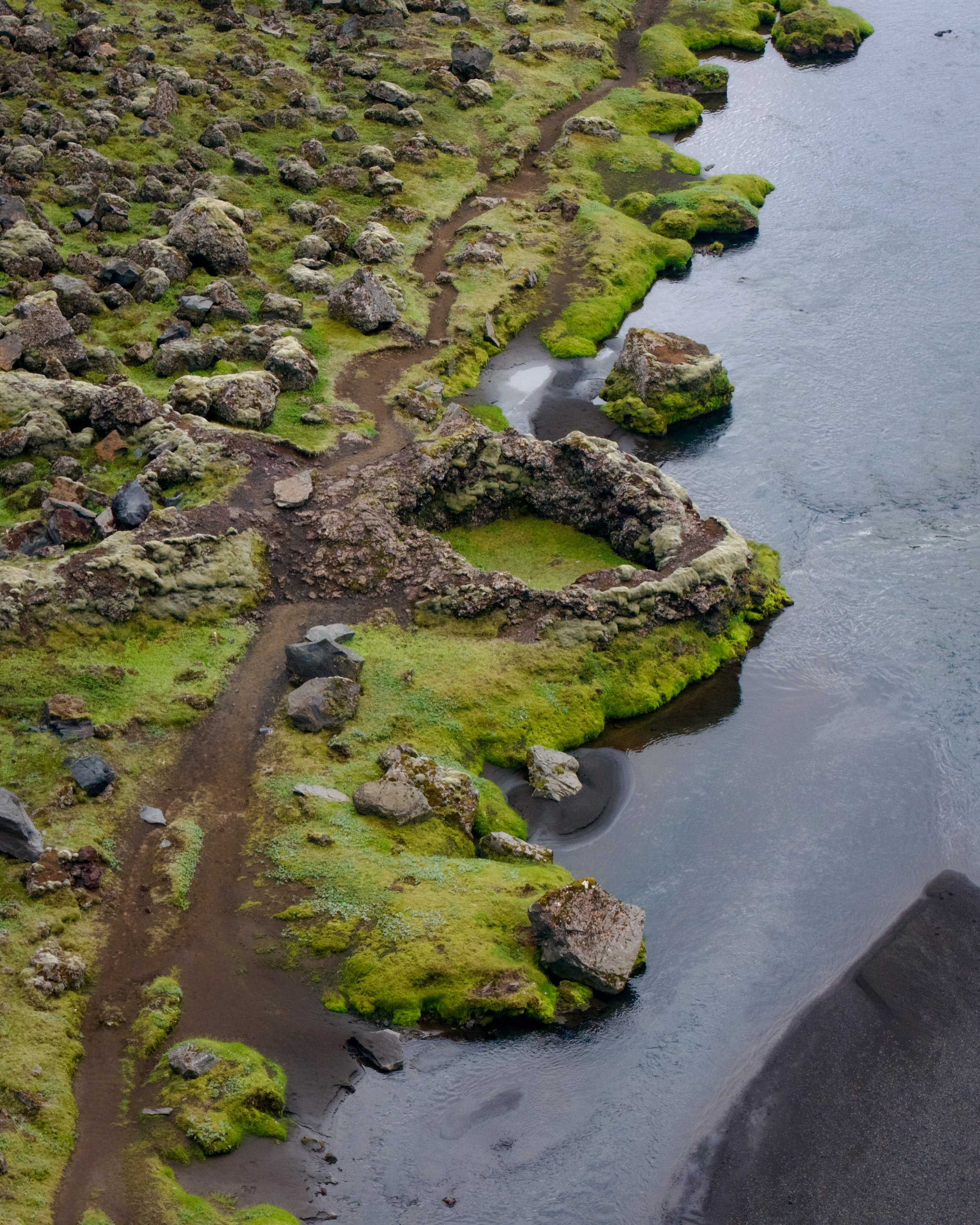
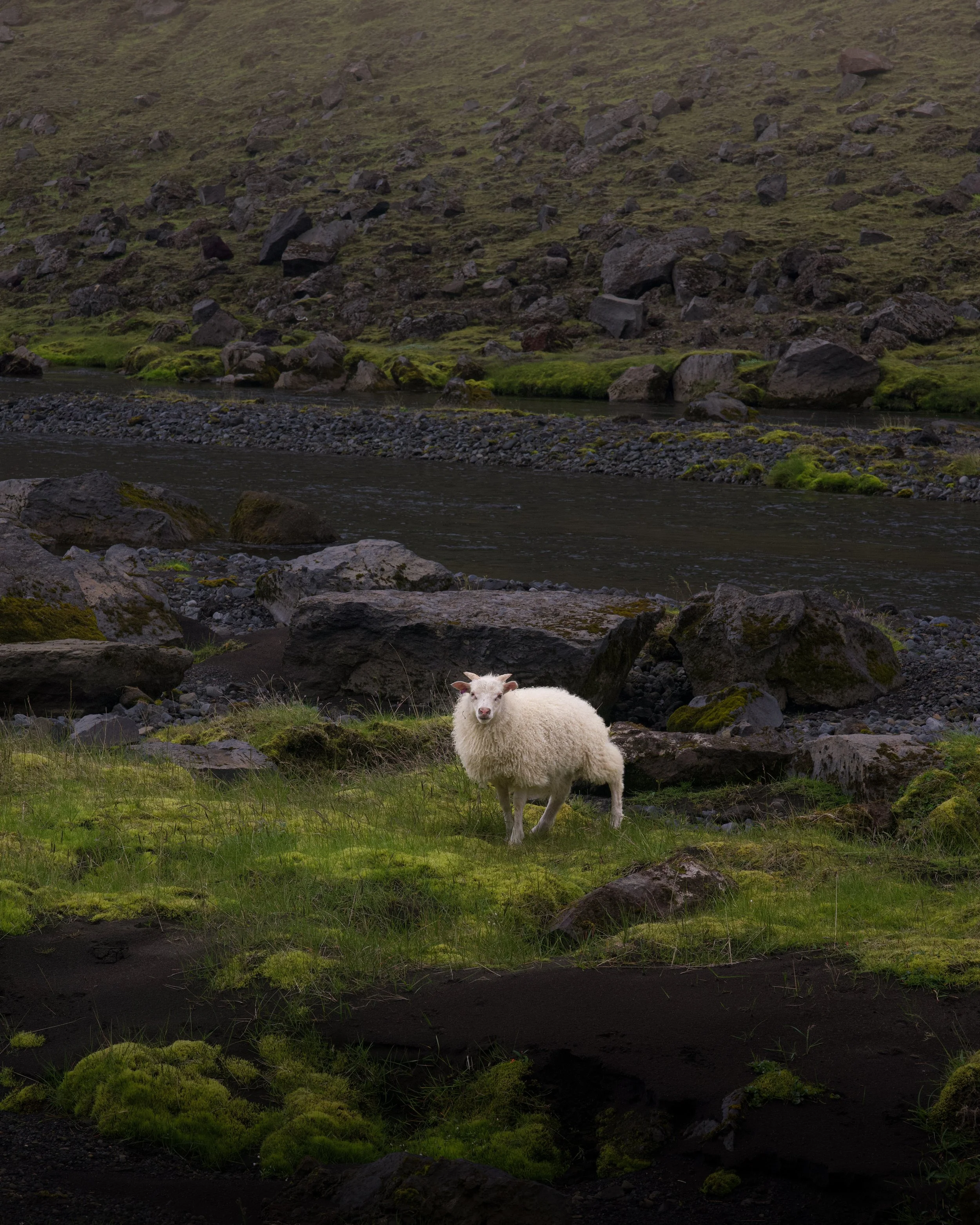
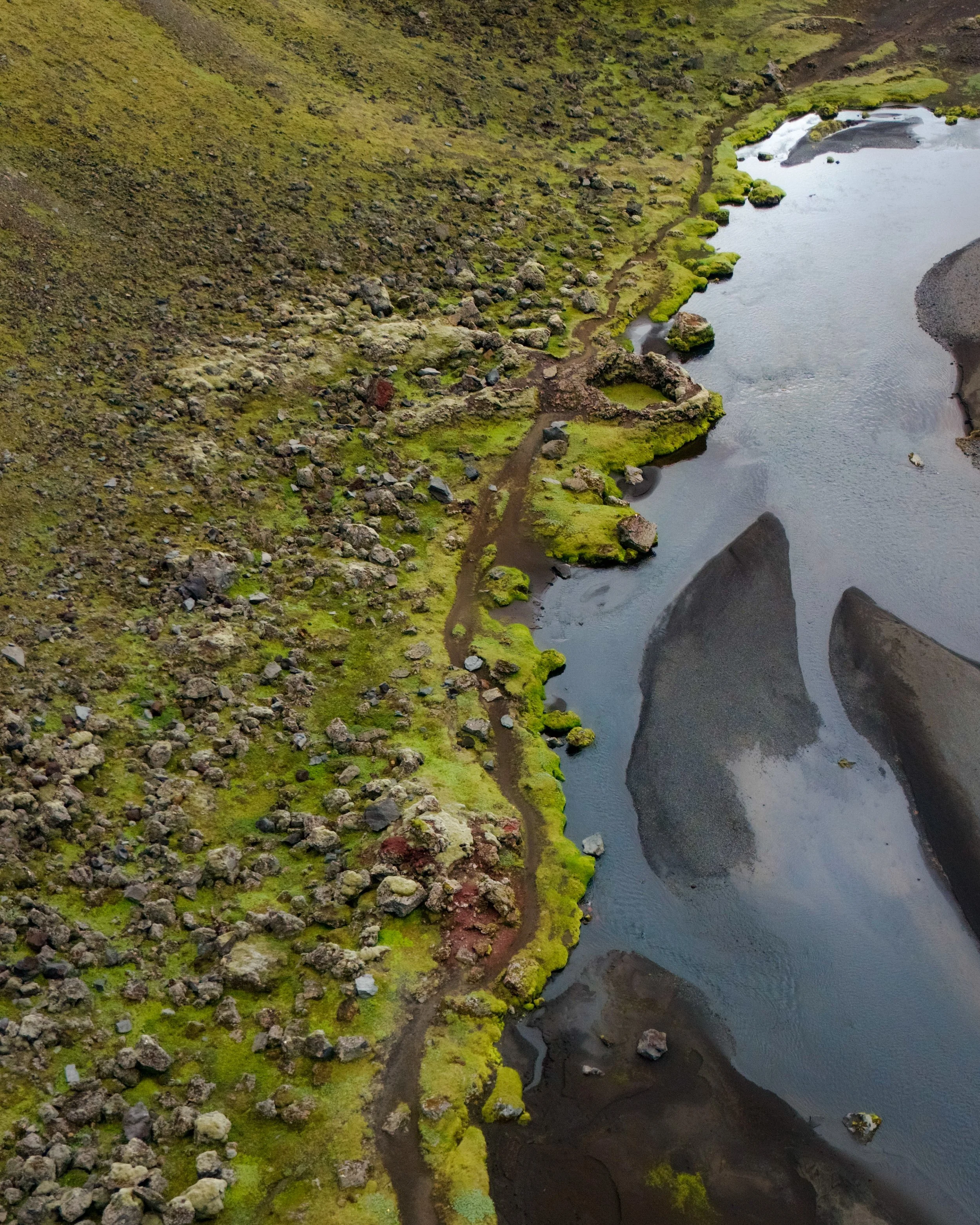
Something I found particularly interesting when walking through Eldgjá was the enormous number of huge boulders scattered along the hiking trail, especially close to the river.
These are not simply rocks left behind by the original volcanic eruption. Many have actually fallen from the steep canyon walls in much more recent times.
In fact, some of the larger boulders have been marked by park authorities with the dates when they fell. It is quite fascinating to see this when walking through the area, because it gives you an idea of how the landscape is still changing today.
The steep canyon walls are constantly affected by Iceland's weather. Rain, freezing temperatures and thawing gradually weaken the rock, eventually causing large pieces to break loose and tumble down onto the canyon floor.
Some of these rocks are enormous, and when you look at them scattered across the green moss, it is difficult to imagine the force of their fall.
It is also a good reminder to stay on the marked hiking trail and avoid walking directly beneath unstable canyon walls.
Photography and drone photography
For landscape photographers, Eldgjá is a fantastic place. There are so many possibilities, from wide-angle photographs showing the enormous canyon to smaller details of the volcanic rocks and flowing water.
I would bring both a wide-angle and a telephoto lens. Look for interesting patterns in the landscape, use the river as a leading line and experiment with longer exposures at the waterfall.
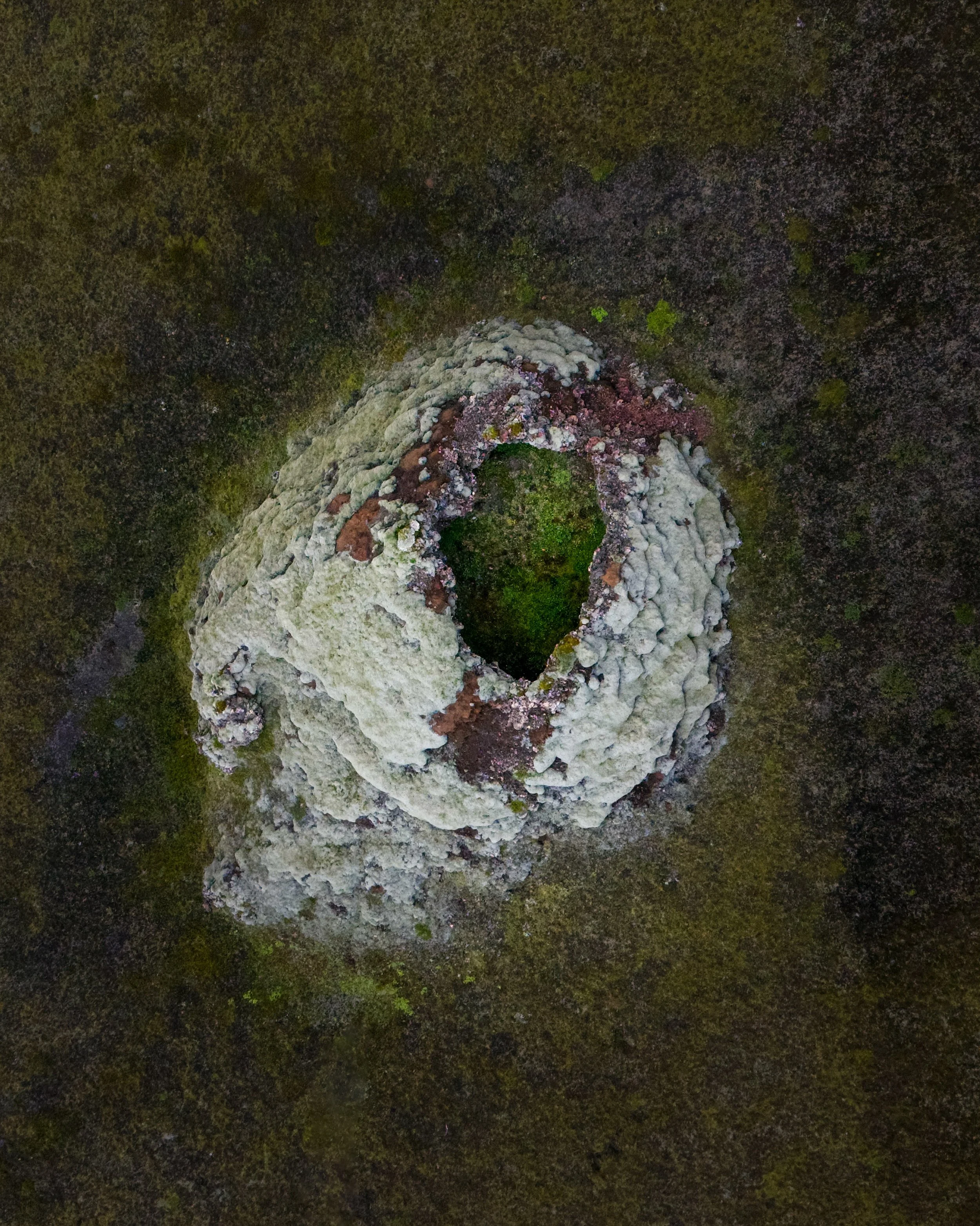
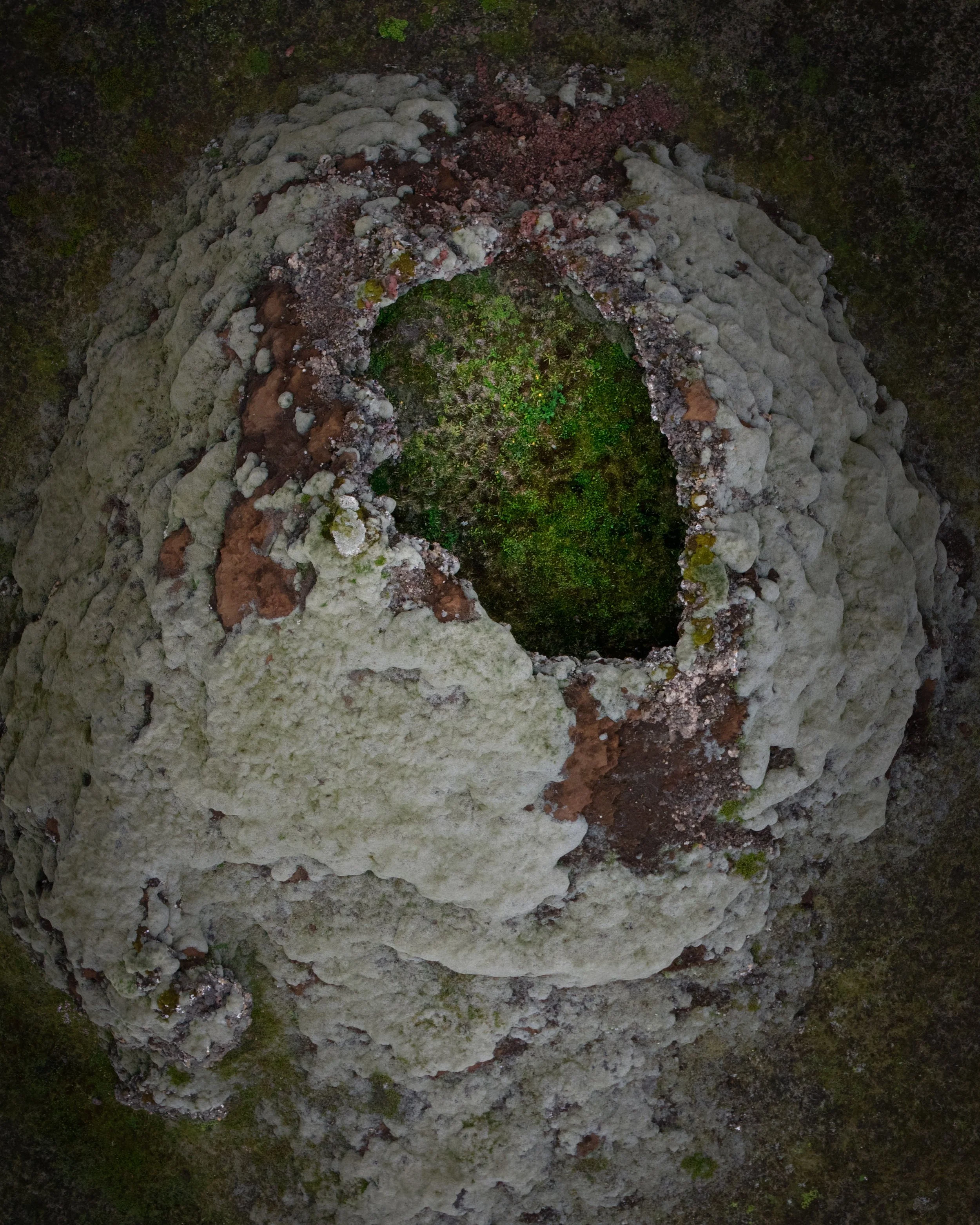
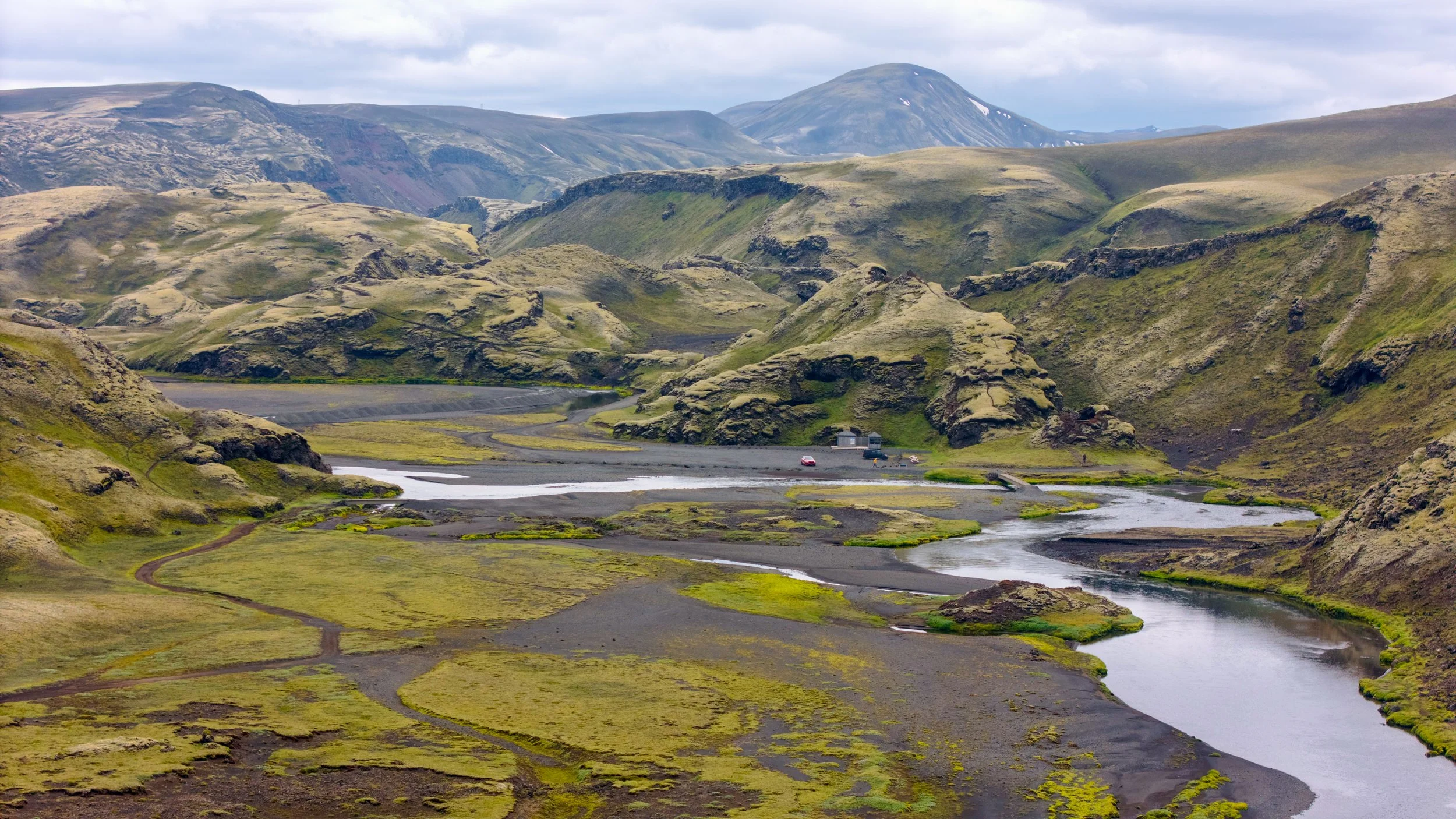
And if you enjoy aerial photography, Eldgjá is particularly interesting from above. The enormous fissure, winding river and green canyon edges create beautiful abstract compositions.
A straight-down perspective can be especially interesting, while wider aerial views show just how enormous this volcanic landscape really is.
One important thing: Eldgjá is inside Vatnajökull National Park, where drone flying is restricted. Recreational flights are generally limited to before 10:00 or after 16:00, subject to visitor numbers and current park rules. Commercial photography requires additional permission. Always check with the rangers before flying.
When is the best time to visit Eldgjá?
The best time to visit is during the summer when the Highland roads are open.
June, July and August are generally the most practical months, although actual road openings depend on weather conditions.
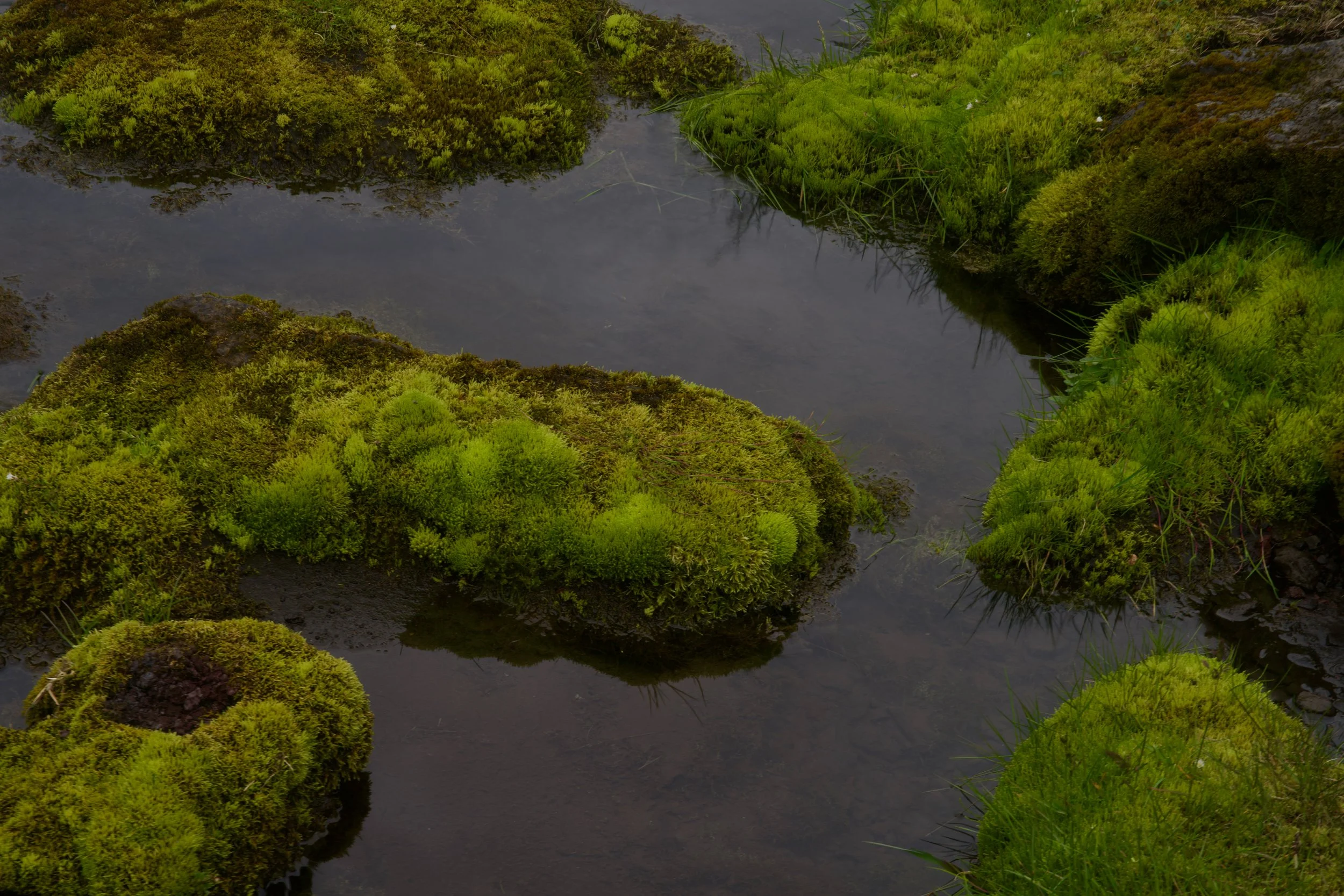
During summer, the green vegetation creates a beautiful contrast with the dark volcanic landscape.
For photography, I would particularly recommend visiting early in the morning or later in the afternoon. You can get beautiful light, and there are often fewer visitors.
If you are planning to fly a drone, remember the park's specific time restrictions.
Facilities, toilets and camping – What can you expect?
Eldgjá is a remote destination, so don't expect many facilities.
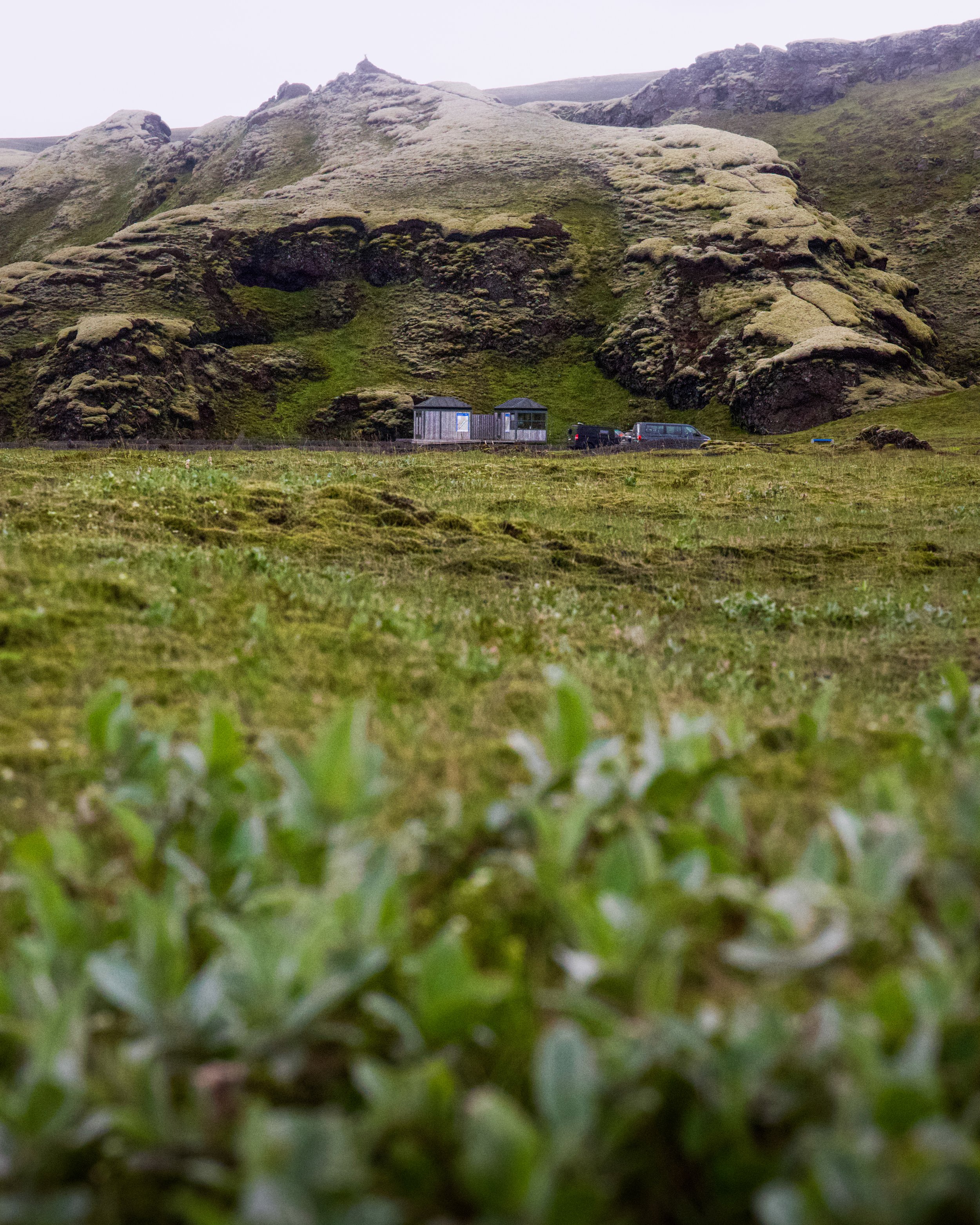
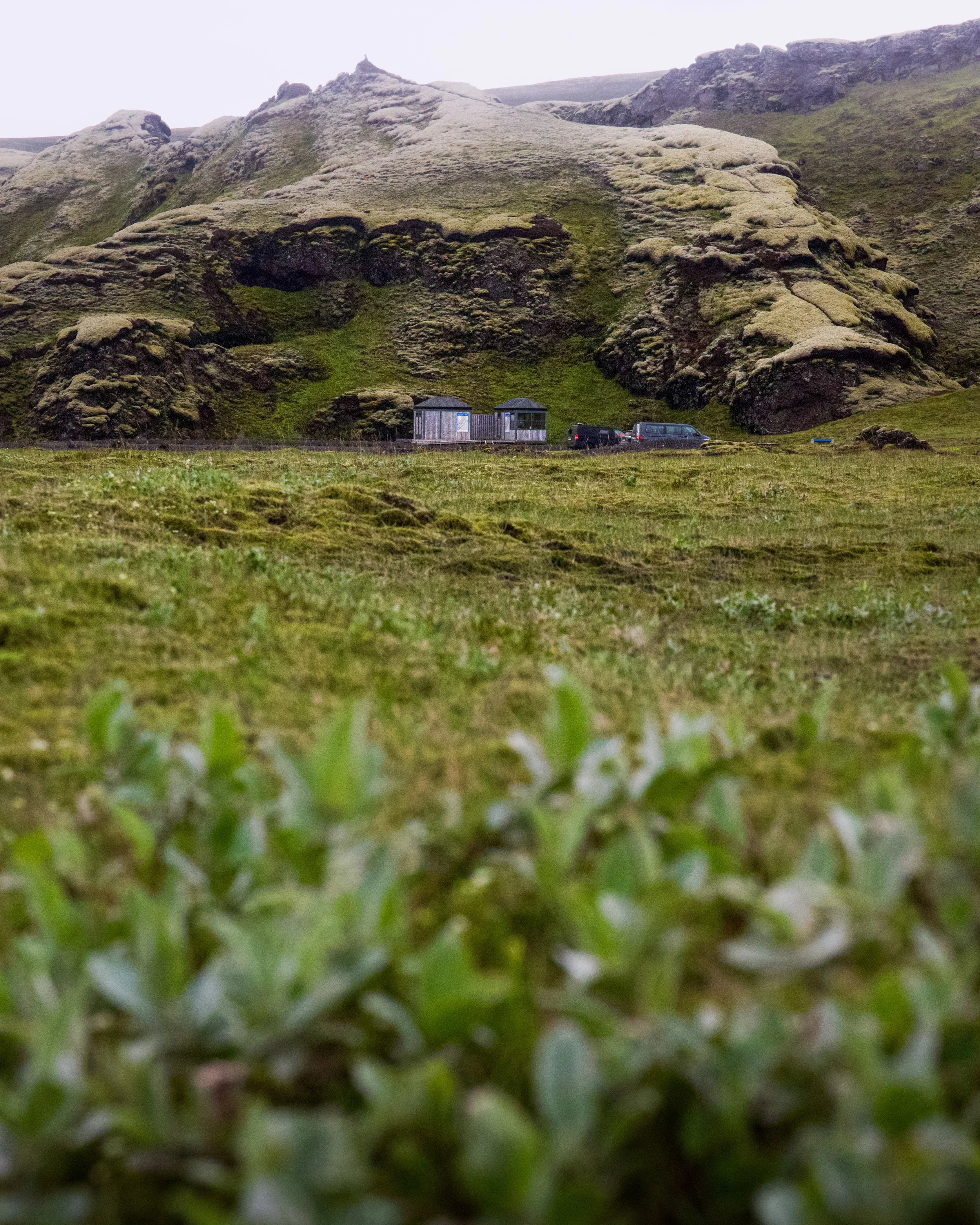
There are toilets at the visitor/service area, which is very useful when spending several hours exploring the canyon.
There is also a small ranger service building in the area during the summer season. Park rangers are available to provide information about the region, hiking routes and road conditions.
However, there is no campsite directly at the Eldgjá parking area.
If you are travelling with a campervan or motorhome, you need to plan your overnight stay somewhere else.
One nearby option is Hólaskjól Highland Centre, which offers camping, accommodation and basic facilities. It is a convenient place to stay when exploring this part of the Highlands.
You can find more information here:
Is Eldgjá worth visiting?
Definitely! If you are exploring the Icelandic Highlands, I would absolutely recommend adding Eldgjá to your itinerary.
It is a little more difficult to reach than many of Iceland's popular attractions, but that is also part of the experience. The enormous canyon, beautiful Ófærufoss waterfall and fascinating volcanic landscape make it a really special place.
For us, the Highlands are all about exploring, discovering new places and finding those landscapes that make you stop and simply enjoy the view.
And Eldgjá is definitely one of them! Definitely plan few hours stop there before you head to Landmannalaugar or Langisjör
All photographs are by Julia Mustonen-Dahlkvist, Lensroamers. No manipulation with AI, just real nature. All photographs are done with permission of Icelandic Environmental Agency. Many pictures include 12 or more pics Drone Panoramas
